
Private Label Chicken Nesting Pads: Specifications to Finalize Before Mass Production
For importers, wholesalers, and retail brands planning to launch their own chicken nesting pads, finding a supplier that can manufacture the product is only the first step. Before moving into mass production, buyers also need to confirm product specifications, approved samples, brand identification, retail packaging, carton information, and quality acceptance requirements.
If these details are communicated only through scattered emails, chat messages, or individual images, problems may arise. Samples may differ from bulk production, labels may use the wrong version, packaging quantities may be incorrect, or different production batches may follow different specifications.
Therefore, when purchasing private label nesting pads, the key is not simply to tell a factory what product is needed. Buyers need to translate product, branding, and packaging requirements into clear, actionable, and verifiable order specifications.
For brands planning an OEM chicken nesting pads project, establishing a complete specification approval process before mass production can help reduce repeated revisions and provide a consistent reference for future replenishment orders and long-term cooperation.
Why Is Sample Approval Alone Not Enough for Private Label Chicken Nesting Pads?
Standard products are usually purchased according to existing specifications. Private label orders also involve brand identity, packaging design, label information, and sales-channel requirements. Even if the product itself remains unchanged, different branding and packing arrangements can cause the final delivery to differ from the buyer's expectations.
For example, a buyer may have confirmed the material, thickness, and dimensions of a nesting pad but may not have finalized the logo color, label position, barcode information, or the number of pads in each retail package. If the factory arranges printing or packaging before these details are approved, rework may be necessary.
Another common problem occurs when the approved sample and bulk production specifications are not clearly linked. A buyer may confirm changes through chat messages during sampling, while the formal order still refers to an older specification. If production, packaging, and quality-control personnel work from different versions of the documents, consistency becomes difficult to maintain.
Private label orders should therefore be managed as a complete project covering product specifications, branding files, packaging requirements, and quality acceptance criteria. Each key requirement should have a clear approval record and be traceable to the final order.
Which Product Specifications Must Be Finalized Before Mass Production?
Before confirming packaging, buyers should finalize the product specifications. Packaging designs, labels, and order documents should be based on an approved product version rather than a sample that is still being revised.
For chicken nesting pads, buyers should confirm the material composition, GSM, thickness, length, width, shape, surface condition, and edge structure according to the actual product. If the product has a die-cut shape or must fit specific nesting equipment, the final outline and relevant dimensions should also be clearly defined.
For jute fiber nesting pads, material composition deserves particular attention. Buyers should specify whether the product is made from pure jute fiber or includes other fibers or auxiliary materials. Broad descriptions such as “natural fiber” or “jute product” should not be used as a substitute for confirming the actual composition.
If a sample has already been approved, its corresponding specifications should be recorded. These may include the product code, material composition, GSM, thickness, dimensions, and key appearance requirements.
If different models, sizes, or packaging formats will be produced, each version should have a clear identification method. This helps prevent different products from being manufactured against the same ambiguous specification document.
For repeat orders, buyers should also clarify whether changes to the material, dimensions, or surface structure are permitted. Any proposed change should be reviewed and approved by both parties before the order and production documents are updated.
The purpose of freezing product specifications is to ensure that the buyer, sales team, production team, and quality-control personnel all work from the same approved version.
What Should Be Checked When Approving a Sample?
An approved sample is not only used to determine whether the product meets expectations. It should also serve as a reference for subsequent bulk production and quality inspection.
Before signing a sample approval or confirming acceptance by email, buyers should review the key requirements individually rather than judging the sample only by its overall appearance.
First, check the product itself. Confirm whether the material composition, GSM, thickness, dimensions, shape, and surface condition meet the agreed specifications. If the product has a particular edge structure, cutout, or die-cut outline, these features should also be checked.
Second, confirm the branding presentation. Check the logo content, color, size, position, and clarity against the approved file. If the logo is printed directly on the product, review the actual print result. If brand information appears only on the packaging, approve the packaging artwork separately.
Third, confirm the packaging format. During sampling, specify whether the product will be individually packed, grouped into multi-piece packages, or supplied in another agreed retail format. If the retail package displays the product quantity, dimensions, or other information, verify that these details match the final product specifications.
Fourth, keep an approval record. Record the sample identification, corresponding specification version, approval date, and key requirements that must be followed. For samples approved through email or electronic documents, ensure that production personnel can access the final approved version.
If the buyer changes the product dimensions, logo, or packaging artwork after sample approval, the affected items should be reviewed and approved again. An earlier approval record should not automatically be treated as valid for every subsequent version.
For long-term purchasing projects, retaining the approved sample and final specification documents makes it easier to verify consistency across repeat orders.
What Must Be Confirmed for Logos, Labels, and Barcodes?
Branding details should not be left until the product is nearly ready for packaging. Logos, labels, and barcodes may involve artwork files, printing arrangements, retail systems, and packaging operations, so they should be finalized before mass production.
For the logo, buyers should provide the final artwork file and specify its position, size, color, and permitted adjustments. If the logo will appear on the product, inner packaging, and outer cartons, each location should have its own clear requirements rather than leaving the factory to interpret them.
For product labels, confirm the label content, dimensions, material, attachment method, and placement. If the product is intended for multiple markets, clarify whether different language versions or market-specific labels are required.
For barcodes, provide the final barcode file or accurate barcode data and identify the corresponding product model, packaging format, and sales unit. Barcodes should be based on files or data approved by the buyer, not replaced with content generated at the supplier's discretion.
If scannability is required, check the barcode on the packaging artwork or a packaging sample. Confirm that the barcode is clear, appropriately sized, and positioned so that folds, seals, or label placement do not interfere with scanning. The buyer should provide the specific barcode format and encoding requirements based on the target sales channel.
Product names, model numbers, package quantities, and other required information should be consistent across labels, barcode files, packaging artwork, and purchase orders. If any information is not yet finalized, mark it clearly as pending approval in the production documents instead of assuming that an older version can be reused.
Once all files have been reviewed, the buyer should identify the final approved versions. Subsequent changes should be recorded to prevent outdated labels or packaging files from being used again in production.
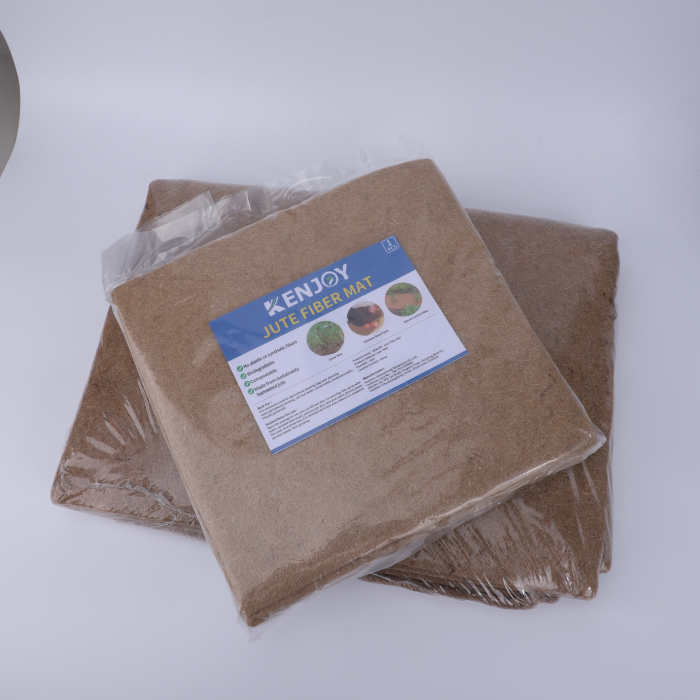
How Should Retail Packaging and Carton Packing Requirements Be Confirmed?
Packaging affects not only brand presentation but also product protection, warehousing, transportation, and receiving operations. For wholesale chicken nesting pads, packaging requirements should match the intended sales channels and logistics arrangements.
First, confirm the retail packaging format. Specify whether the product will be individually packed, grouped into multi-piece packs, supplied in transparent bags, printed bags, cartons, or another mutually approved format. A broad instruction such as “branded packaging” is not enough; the buyer should provide specific requirements or approved artwork.
Second, confirm the number of products in each retail pack. If the same product is offered in different sales combinations, list the quantity per pack, packaging specifications, and corresponding model separately. This helps prevent discrepancies between the quantity stated on the package and the actual contents.
Third, confirm the brand and product information printed on the packaging. Product names, dimensions, quantities, logos, and barcodes should match the approved product information. If specific artwork files are required, ensure that the factory uses the final version rather than an earlier draft.
Fourth, confirm the outer-carton packing arrangement. Buyers should specify the number of retail packs per carton, carton dimension requirements, carton label content, and whether pallets or other transport-protection measures are required. Actual requirements should be based on order volume, warehouse conditions, and shipping arrangements rather than an assumed standard carton quantity.
Fifth, confirm packaging protection requirements. Depending on the product structure and transportation conditions, specify whether moisture protection, dust protection, edge protection, or other measures are needed. The final choice should reflect the product characteristics and actual shipping requirements.
For brands and importers, it is also useful to confirm whether cartons must display product models, batch numbers, quantities per carton, or other information needed for warehouse identification. These details can support receiving, inventory management, and replenishment, but buyers should provide them in advance rather than assume that every sales channel has the same requirements.
Before approving the packaging plan, review a complete packaging checklist covering the retail format, quantity per pack, quantity per carton, carton labels, and barcodes. This helps reduce the risk of inconsistencies between packaging information and the actual products.
How Should Batch Acceptance Be Managed After Mass Production?
Approving a sample does not mean that bulk production can rely entirely on visual checks. For private label chicken nesting pads, buyers should also define the specifications used to inspect bulk products and the procedure for handling deviations.
First, identify the acceptance criteria. Depending on the product requirements, checks may cover material composition, GSM, thickness, dimensions, shape, surface condition, and packaging integrity. If certain dimensions or appearance features are particularly important for product use, their acceptance requirements should be clearly defined rather than treating every item as equally critical.
Second, agree on the sampling method. Buyers and suppliers can determine sample quantities, inspection items, and recordkeeping methods based on order volume, product risk, and quality requirements. The same sampling ratio should not be assumed to apply to every order without mutual agreement.
Third, inspect the product and packaging separately. A product that meets its specifications does not automatically have correct packaging. Quality-control personnel should also verify the quantity per pack, packaging version, label information, barcodes, carton quantities, and batch identification.
Fourth, establish a method for identifying production batches. Purchase orders, product specification versions, packaging files, and production batches should be clearly linked. For repeat orders, buyers can use these records to check whether the products continue to follow the approved specifications.
Fifth, agree in advance on how nonconforming products will be handled. If dimensions, materials, labels, or packaging do not meet the order requirements, define how the issue will be recorded, how the affected products will be isolated, how the cause will be reviewed, and how rework or other corrective action will be decided.
For long-term projects, buyers can retain approved samples, final specification sheets, packaging artwork, and batch inspection records. If a quality dispute or repeat-order deviation occurs, both parties can then refer to the same documents instead of relying on scattered chat messages.
What Information Should Buyers Provide Before Requesting a Quotation?
The quotation for a private label order depends not only on the product itself but also on customized processing, printing, labels, packaging, and order quantity. The more complete the information provided at the inquiry stage, the easier it is for the supplier to understand the actual requirements and assess a suitable production plan.
Buyers should prepare the following information in advance.
Product information: Intended use of the nesting pads, material requirements, GSM, thickness, dimensions, shape, and key quality requirements.
Customization information: Whether a logo, special surface treatment, die-cut shape, or other customized processing is required, and which details have been finalized or still need discussion.
Branding files: Final or preliminary logo artwork, product name, model number, label content, and barcode requirements. If the design is still being developed, indicate when the final files are expected to be available.
Packaging information: Retail packaging format, quantity per pack, quantity per carton, carton label requirements, and whether pallets or other transport packaging are needed.
Order information: Estimated order quantity, number of specification or packaging versions, and expected replenishment arrangements. For multiple sizes, models, or packaging designs, clarify the estimated quantity for each version rather than providing only a total quantity.
Quality requirements: Critical specifications to be inspected, the sample approval method, bulk acceptance criteria, and any required quality documents.
Schedule information: Target dates for sample approval and bulk delivery, along with the expected completion dates for branding and packaging files. Actual sampling arrangements, production lead times, and delivery plans must be confirmed by the supplier based on the product requirements and production schedule. Fixed lead times should not be assumed when information is incomplete.
Providing this information helps the supplier understand the project scope and identify unresolved items during quotation. It also allows the buyer to discover gaps in product, packaging, or branding information before placing a formal order.
For brands requiring customized jute fiber nesting pads, HuiZhou JinHaoCheng Nonwovens Co., Ltd. can discuss material composition, GSM, thickness, dimensions, and related customization requirements according to the specific project, and provides OEM/ODM manufacturing services. Buyers are advised to provide product specifications, logo files, packaging requirements, and estimated order quantities at the inquiry stage to help clarify sample development and mass-production arrangements.
Conclusion: Manage Product, Packaging, and Acceptance Requirements as One Complete Order
The key to a private label chicken nesting pad project is not simply finding a factory that can manufacture the product. It is ensuring that product specifications, approved samples, branding files, retail packaging, carton information, and batch acceptance requirements all correspond to one another.
Before mass production, buyers should finalize the product specifications, approve the sample, review logo and barcode files, confirm the retail packaging and carton-packing plan, and define the inspection items and records required for bulk production.
For importers, wholesalers, and private label purchasing teams, consolidating these requirements into a formal order specification can reduce discrepancies between samples and bulk products and make future replenishment and product-version updates easier to manage.
An effective private label purchasing process ensures that the product, branding, and packaging follow the same approved standards from the sampling stage onward, using those standards as the basis for mass production and acceptance.




