Jute vs. Synthetic Nesting Pads: What Changes After Repeated Use?
When sourcing chicken nesting pads, natural jute pads and synthetic fiber pads may both appear suitable based on their initial appearance. However, for distributors, importers, and brands, how a sample looks at first does not fully represent how the product will perform after repeated use.
With continued use, cleaning, and routine handling, the surface structure, fiber stability, shape, and appearance of a pad may change. Actual performance also depends on factors such as fiber composition, web formation, bonding methods, product thickness, operating conditions, and maintenance practices.
Therefore, when comparing natural fiber nesting pads with synthetic fiber chicken nesting pads, buyers should not make decisions based solely on the raw material name. It is more important to define the intended conditions of use and compare wear, cleaning requirements, fiber shedding, product consistency, and end-of-life disposal through a consistent sample evaluation process.
What Should Buyers Compare Beyond the Raw Material?
Jute is a natural plant fiber, while synthetic chicken nesting pads may be made from polyester, polypropylene, or other man-made fibers. Different materials have different basic characteristics, but the performance of a finished product is not determined by fiber type alone.
Buyers should also understand how the fibers are arranged, how the fiber web is consolidated, and what structural design or surface treatment is used during manufacturing. Even when two products use similar raw materials, differences in fiber length, fiber composition, basis weight, thickness, or bonding methods may result in different performance.
Likewise, natural fibers are not automatically more durable, and synthetic fibers are not necessarily less environmentally friendly. Material selection should be based on the product design, intended use, maintenance conditions, and end-of-life disposal options.
For bulk purchasing projects, buyers should first define the most important acceptance criteria and then request specification details and samples from different suppliers. This helps prevent decisions based only on material names or unit prices.
How Can Fiber Structure Affect Wear and Surface Changes?
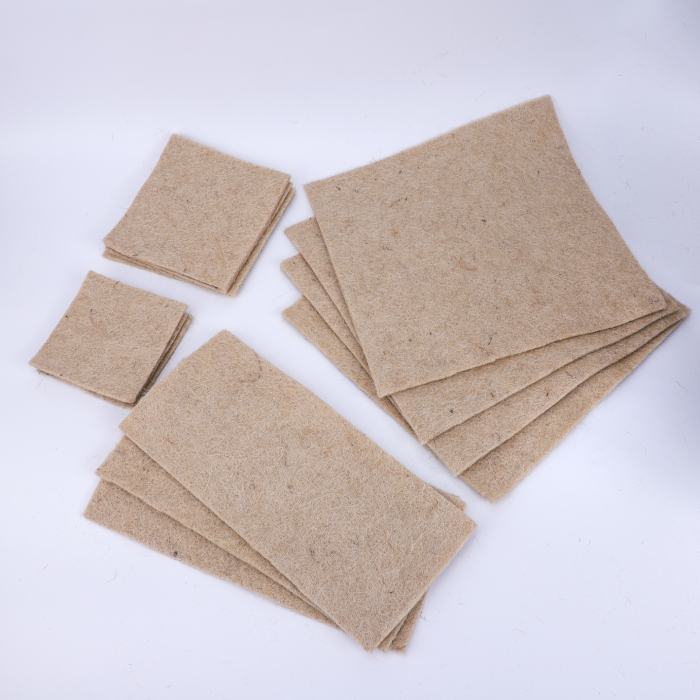
When comparing natural jute nesting pads with synthetic fiber chicken nesting pads, buyers can observe whether repeated use leads to noticeable surface fuzzing, localized thinning, loose fibers, fraying edges, or changes in shape.
The performance of jute pads depends on factors such as fiber quality, fiber length, web structure, and the degree of consolidation. Synthetic fiber pads are also affected by fiber type, web structure, bonding methods, and product specifications. Therefore, neither “jute” nor “polyester” alone can establish which product will be more wear-resistant under all conditions.
Surface wear should also be evaluated in relation to the intended application. For example, buyers can check whether the product shows noticeable surface changes under agreed conditions of use and whether those changes affect its original shape, fit, or functional requirements.
If a project has specific requirements for surface integrity or fiber shedding, buyers should define the acceptable range of changes before ordering and verify performance through sample inspection or mutually agreed testing. A fixed service life or wear-resistance claim should not be made without supporting test evidence.
Cleaning and Maintenance: What Needs to Be Verified?
Different chicken nesting pads may have different cleaning and maintenance requirements. Buyers should first identify the types of contaminants the product may encounter during actual use and determine whether it is intended to be cleaned, dried, replaced regularly, or maintained in another way.
It is not possible to determine whether a product is suitable for washing, soaking, brushing, or repeated disinfection simply by classifying it as natural or synthetic. The suitability of a cleaning method should be based on the specific product structure, the manufacturer's instructions, and any necessary verification.
If a product is intended for repeated use, buyers should confirm whether its surface condition, fiber stability, shape, and dimensions remain within the required specifications after cleaning. If the product is designed for scheduled replacement, the replacement criteria and conditions of use should be included in the purchasing evaluation.
For distributors and brands, maintenance requirements may also affect the end user's experience, after-sales inquiries, and product instructions. Material selection should therefore consider not only the initial price but also how the product will be managed throughout its intended use.
How Should Buyers Evaluate Fiber Shedding and Product Consistency?
Fiber shedding is one of the factors buyers can evaluate when inspecting jute felt pads and synthetic fiber pads. Relevant checks include whether noticeable loose fibers appear on the surface, whether the edges fray easily, and whether the product structure remains within the agreed requirements after specified handling or simulated use.
However, fiber shedding cannot be attributed solely to whether a material is natural or synthetic. Raw material quality, fiber length, web formation, consolidation, and finishing processes may all affect structural stability.
Bulk purchasing also requires attention to variation between production batches. Even if the initial sample performs well, buyers should confirm whether the final order will use the same raw material requirements, key specifications, and production standards.
When approving a sample, buyers should record the material composition, GSM, thickness, dimensions, surface condition, and agreed inspection methods. For critical performance characteristics, acceptance criteria should be clearly defined instead of relying on broad descriptions such as “natural fiber,” “high durability,” or “premium synthetic fiber.”
For ongoing supply programs, retaining the approved sample and final specification documents can help buyers check subsequent batches against the same requirements. For distributors and brands, consistent and repeatable specifications help reduce unexpected variation between batches.
What Happens at the End of the Product’s Service Life?
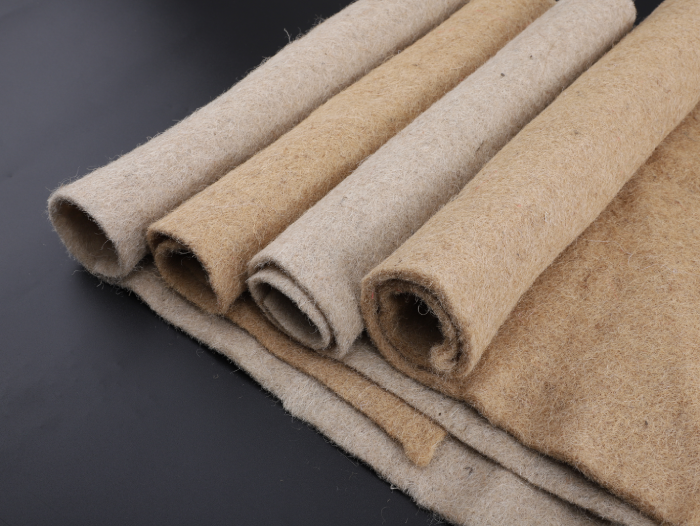
End-of-life disposal is also part of material evaluation, but it cannot be determined from the words “natural” or “synthetic” alone.
Jute is a plant-derived natural fiber. However, a finished product containing other fibers, bonding materials, coatings, or composite layers may have different disposal requirements from a product made from a single material. Synthetic fiber products also cannot be treated as one uniform category, because different polymers, product structures, and local waste-management systems may allow different disposal options.
Buyers should confirm the actual fiber composition and any additional materials before checking the collection, recycling, or disposal requirements in the target market. If a brand wants to use biodegradable materials or make other specific environmental claims, it should request documentation or test evidence relevant to the actual product and the claim being made.
Similarly, natural origin does not automatically mean that a finished product will biodegrade quickly in every environment. Synthetic materials do not necessarily lack recycling or other disposal options. Conclusions should be based on material composition, product structure, applicable standards, and actual disposal conditions.
If a project is considering alternative fibers such as PLA, buyers should separately verify the material composition, product structure, and supporting environmental claims rather than assuming the finished product's disposal performance from the raw material name alone.
How Can Buyers Compare Samples Under Consistent Conditions?
To make samples from different suppliers comparable, buyers should standardize the evaluation conditions as much as possible.
First, confirm the sample's material composition, GSM, thickness, dimensions, and product structure. If these key parameters differ significantly, the performance differences cannot simply be attributed to natural or synthetic fibers.
Next, define the intended use and maintenance conditions. Inspection criteria may include surface changes, fiber shedding, edge integrity, shape changes, and the condition of the material after cleaning. The specific checks should be selected according to the product's intended application and purchasing requirements.
Then, record the condition of each sample before and after testing and use the same inspection methods for comparison. If a particular performance characteristic is critical to the purchasing decision, agree with the supplier on suitable test conditions and acceptance criteria rather than relying only on subjective touch or appearance.
Finally, connect the sample evaluation results to the specifications for bulk production. Buyers need to confirm whether the supplier can manufacture consistently according to the approved sample and agreed specifications, with the key requirements clearly documented in the order.
For ongoing purchasing programs, a standardized sample evaluation process is more useful than comparing material names alone. It allows buyers to select suppliers based on observable performance rather than broad material labels.
Which Nesting Pad Material Fits Your Purchasing Requirements?
If a purchasing project prioritizes natural plant-fiber composition, jute chicken nesting pads may be worth evaluating. Buyers should still examine the specific product's surface structure, fiber stability, maintenance requirements, and batch consistency.
If the project places greater emphasis on specific structural requirements, specification consistency, or downstream processing, certain synthetic fiber options may also be worth comparing. The final choice should depend on product construction, actual operating conditions, maintenance requirements, and disposal options in the target market—not on an assumption that one material is superior in every respect.
For importers, wholesalers, and brands that require customized specifications, working with a manufacturer with nonwoven R&D and production capabilities can help clarify requirements for fiber composition, GSM, thickness, dimensions, and product structure. HuiZhou JinHaoCheng Nonwovens Co., Ltd. provides nonwoven materials and customized manufacturing services. The suitability of a specific material for a particular chicken nesting pad application must still be assessed according to the proposed product, sample performance, and technical requirements agreed upon by both parties.
Conclusion: Make Decisions Based on Performance After Repeated Use
The differences between jute and synthetic fiber chicken nesting pads cannot be determined by raw material names alone. For distributors and brands, a more useful comparison is to examine wear, fiber shedding, changes in shape, cleaning requirements, and batch consistency under agreed conditions of use and maintenance, then confirm the disposal options at the end of the product's service life.
Before placing a bulk order for natural fiber nesting pads or synthetic fiber chicken nesting pads, define the intended application, request specification details, evaluate samples, and agree on verifiable acceptance criteria. This provides a more reliable basis for purchasing decisions than unverified claims about durability or environmental performance.