When Should Chicken Nesting Pads Be Replaced? Signs of Wear and Material Breakdown
For poultry supply importers, wholesalers, brands, and poultry equipment manufacturers, chicken nesting pads are more than ordinary consumables that need to be evaluated by purchase price alone. Their actual service life, condition after cleaning, and ability to maintain their original structure during use all affect maintenance decisions and future purchasing plans.
However, there is no single replacement schedule that applies to every type of chicken nesting pad. Natural fiber pads, jute felt pads, washable synthetic pads, and specialized poultry equipment liners may have very different wear patterns.
Some pads may only have light surface contamination and can continue to be used after proper cleaning. Others may develop loose fibers, localized wear, persistent moisture, or permanent deformation that cannot be corrected through cleaning.
The key question for buyers is therefore:
How can buyers identify when chicken nesting pads need to be replaced based on actual wear and material breakdown, and how can they compare the expected service life of different products before purchasing?
This article explains the main signs of wear, the difference between cleaning and replacement, the factors that affect service life, and the information buyers should request from suppliers. These considerations can help establish more practical maintenance and purchasing criteria.
Why Should Replacement Decisions Not Be Based on Time Alone?
Time in use can be a useful reference for inspecting chicken nesting pads, but it should not be the only replacement criterion.
Even products made from the same material and supplied in the same size may perform differently under different nest box conditions. Usage frequency, chicken activity, humidity, manure contamination, cleaning methods, and the risk of water accumulation can all affect the actual condition of the material.
For example, a pad installed in a dry, clean nest box with relatively low usage may remain intact for an extended period. A pad exposed to persistent moisture, contamination, or repeated friction may develop loose fibers, surface wear, or changes in shape much sooner.
Different materials also require different inspection methods.
For natural fiber pads and jute felt pads, buyers should check whether fibers continue to shed, whether the structure has become loose, and whether the material returns to an acceptable condition after exposure to moisture.
For washable synthetic pads, buyers should inspect whether the surface structure has worn down, whether any areas are cracked or broken, and whether the product still performs as intended after cleaning.
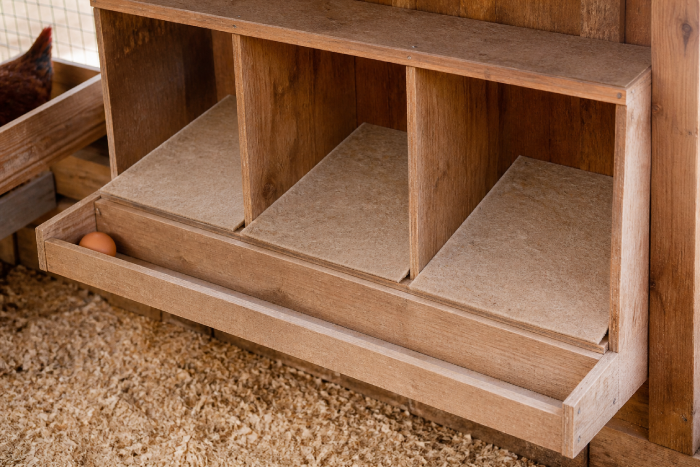
For specialized pads used in rollaway nesting boxes, buyers should also check whether wear affects the movement of eggs along the intended path.
Buyers should not assume that every chicken nesting pad will last the same amount of time simply because a supplier provides an estimated service period. A more reliable approach is to establish inspection and replacement criteria based on material type, actual use conditions, and visible wear.
What Signs of Wear Indicate That Chicken Nesting Pads May Need Replacement?
When assessing whether a nesting pad needs replacement, buyers should focus on material integrity, cleanliness, and changes in functional performance.
Surface Wear or Localized Thinning
Repeated use may cause certain areas of a chicken nesting pad to wear down. For products with raised features, fiber layers, or specialized surface structures, wear may be concentrated where chickens frequently step or eggs repeatedly make contact with the pad.
If the surface shows only minor cosmetic changes while the material remains intact, immediate replacement may not be necessary.
However, if wear results in holes, significant thinning, damaged supporting structures, or reduced performance of the intended nesting surface, replacement should be considered.
For rollaway nesting boxes, particular attention should be paid to whether worn areas prevent eggs from moving smoothly. If the material creates an obstruction or otherwise interferes with normal egg roll-out, functional performance should take priority over appearance.
Loose Fibers, Shedding, or Structural Breakdown
Loose fibers are an important warning sign for natural fiber pads and certain fiber-based liners.
If only a small amount of loose surface fiber is present, buyers should first determine whether this is a normal characteristic of the material. However, if fibers continue to shed, the pad becomes progressively thinner, the edges begin to unravel, or the product can no longer maintain its original shape, its remaining serviceability should be reassessed.
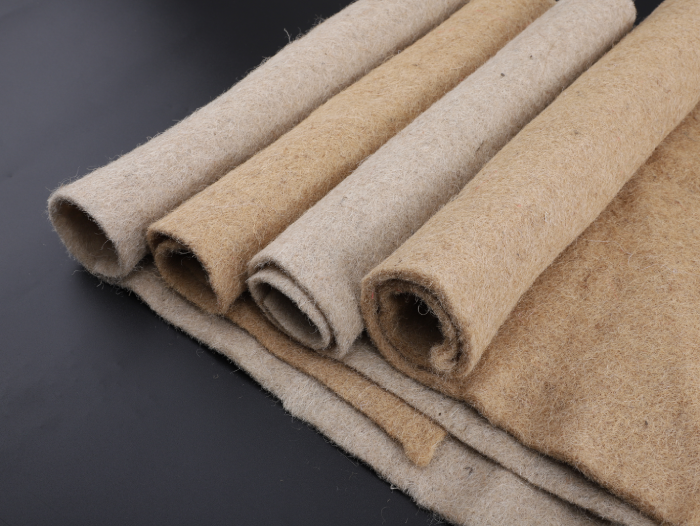
For jute felt pads, buyers should inspect whether the edges are unraveling, whether localized separation or damage has developed, and whether the overall structure remains intact after repeated use.
Different fiber compositions, needling structures, weights, and thicknesses can produce different performance characteristics. The material name alone does not guarantee that all jute felt products will have the same durability.
Persistent Moisture or Signs of Mold
Chicken nesting pads that remain wet for extended periods may develop odors, material softening, changes in shape, or visible signs of mold.
When moisture is detected, buyers should investigate its source. Possible causes include water leaks, insufficient ventilation, manure contamination, or inadequate drying after cleaning.
If the product is suitable for cleaning, it should be treated according to the supplier's recommendations. Before reuse, confirm that it has dried sufficiently for the intended application.
If the material shows visible mold, persistent abnormal odors, significant deterioration, or conditions that cannot be corrected through appropriate cleaning, it should not be kept in use simply to extend its service life.
The nest box environment should also be inspected. Otherwise, replacement pads may develop the same problems again.
Heavy Contamination That Cannot Be Removed Through Cleaning
During use, chicken nesting pads may become contaminated with manure, egg contents, broken eggshells, feathers, and other debris.
Light contamination does not necessarily mean that a product has reached the end of its useful life. If the material is suitable for cleaning and the contamination can be removed effectively, the pad may remain usable.
However, if contamination has penetrated the fiber structure and visible residue, persistent odors, or other unacceptable conditions remain after cleaning, replacement should be considered.
This is particularly important when a broken egg leaks into the pad. Cleaning only the surface may leave residue inside the material. Buyers should assess whether the contamination can be removed in accordance with the material's cleaning instructions and applicable hygiene requirements. If effective cleaning cannot be confirmed, replacement is generally the more prudent option.
Permanent Deformation, Curling, or Unstable Installation
Chicken nesting pads may become deformed because of repeated pressure, cleaning, improper drying, or incorrect installation dimensions.
If a pad bends temporarily, buyers can follow the supplier's recommendations for restoring its shape and then check whether it can be installed properly.
However, if the material remains curled, folded, or lifted, or can no longer cover the intended area, buyers should determine whether the problem results from material deterioration, dimensional mismatch, or an unsuitable fixing method.
For rollaway nesting boxes, curled edges and raised sections may also interfere with egg movement. When deformation affects equipment functionality, repeatedly pressing the material flat or adjusting its position is not an adequate long-term solution.
Unusual Odors or Significant Changes in Material Condition
A persistent unusual odor should prompt an inspection for accumulated moisture, organic residue, cleaning product residue, or changes in the material itself.
An odor does not automatically mean that the material has failed. However, if it persists after appropriate cleaning and drying, particularly when accompanied by discoloration, a sticky surface, mold, or structural deterioration, the pad should be assessed for replacement.
Buyers can include odor, appearance, and structural condition in their inspection records instead of relying on a single sign to judge every product.
When Is Cleaning Enough, and When Should a Pad Be Replaced?
Cleaning and replacement address different problems.
Cleaning is intended to remove contamination that can be safely and effectively eliminated. Replacement is intended for material that has been damaged, has lost its structure or function, or no longer meets the required condition after cleaning.
Buyers and poultry equipment operators can use the following principles as a practical reference.
Situation: The pad has a small amount of dry surface contamination, and its structure remains intact.
Check whether the product can be cleaned by brushing, shaking, or another method recommended by the supplier. After cleaning, inspect the pad to confirm that it remains intact, lies properly, and is suitable for continued use.
Situation: The pad has localized contamination that can be cleaned according to the product instructions.
Clean the material using an appropriate method and confirm that it has dried sufficiently. Inspect it again for residue inside the material, deformation, or damage.
Situation: The pad has persistent moisture, an unusual odor, or visible mold.
Investigate the source of the contamination or moisture. If the material has deteriorated or its condition after cleaning cannot be confirmed, replace it and address the underlying problem in the nest box environment.
Situation: The pad has holes, severe wear, continued fiber shedding, or permanent deformation.
If the damage affects material integrity, cleanability, or intended functionality, discontinue use and replace the pad as appropriate.
Situation: Egg movement is affected in a rollaway nesting box.
Check whether the pad has curled, lifted, shifted, or covered an area that should remain clear. If wear or deformation interferes with normal egg roll-out, restoring equipment functionality should take priority over continued use.
The purpose of routine inspection is not to keep every pad in use for as long as possible. It is to maintain products when they remain serviceable and replace them when their condition or function no longer meets requirements.
What Factors Affect the Actual Service Life of Chicken Nesting Pads?
When comparing products, buyers should avoid making decisions based only on material names, thickness, or a service period quoted by the supplier.
Material Type and Structure
Natural fiber pads, jute felt pads, disposable fiber liners, and washable synthetic pads have different structures and failure patterns.
Some materials are intended for periodic replacement, while others are designed for cleaning and repeated use. Buyers should confirm the intended application before evaluating maintenance requirements and expected service life.
Usage Frequency and Chicken Activity
The frequency with which chickens enter and leave the nest box, the locations where they step, and the way eggs contact the pad can all affect the rate of wear.
The same product may perform differently in different poultry environments. Actual usage frequency should therefore be considered when assessing service life.
Nest Box Conditions and Humidity
Ventilation, the risk of water leakage, manure contamination, and ambient humidity can affect the cleanliness and drying condition of nesting pads.
If a nest box remains damp, replacing the pad with a new one may not solve recurring problems such as odors, contamination, or material deterioration.
Cleaning and Drying Methods
Different materials require different cleaning methods. Some products may not be suitable for soaking, aggressive brushing, or certain cleaning agents. Washable products may also need to dry thoroughly before being returned to service.
Buyers should follow the material instructions and avoid inappropriate cleaning practices that may shorten the product's service life.
Dimensions and Installation Fit
Pads that do not fit the nest box correctly may shift, curl, or fold during use. These problems can affect performance and may cause premature damage to material that would otherwise remain serviceable.
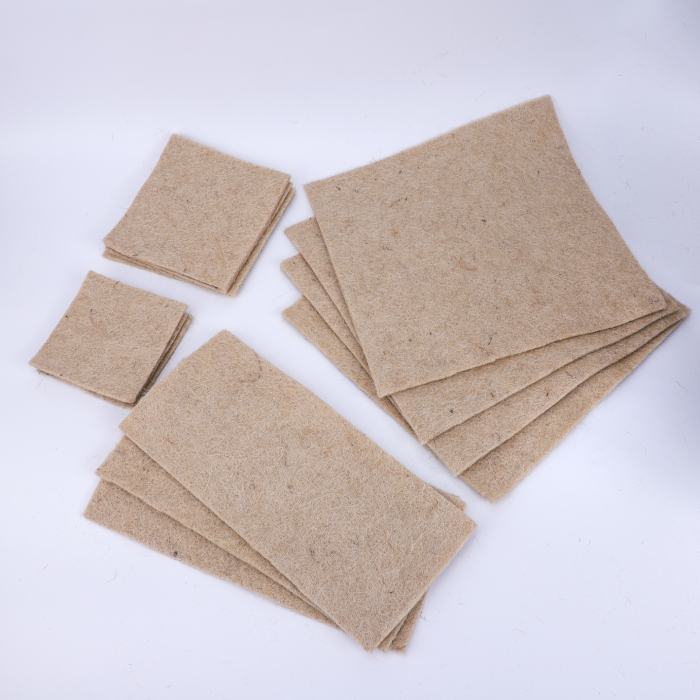
When ordering custom nesting pads, buyers should therefore verify the nest box dimensions, cutting shape, and installation method in addition to the material specifications.
How Can Buyers Compare the Durability of Different Chicken Nesting Pads?
For importers, wholesalers, and brand purchasing teams, durability should not be treated as a vague claim that a product has a “long service life.” Wherever possible, it should be linked to clear product specifications and verifiable conditions of use.
When requesting quotations, buyers should confirm the following information.
Confirm the Material and Product Structure
Identify the fiber or material used, whether the product is disposable or reusable, and whether it includes a supporting layer, backing, or specialized surface structure.
For jute felt pads, buyers should also confirm the fiber composition, manufacturing structure, and key specifications instead of comparing products by material name alone.
Check Weight, Thickness, and Dimensions
Weight, thickness, and dimensions help define the purchasing specification, but they do not independently prove product lifespan.
Buyers should confirm that the supplied specifications suit the intended application and that samples and subsequent bulk production follow consistent technical requirements.
Ask What Supports the Service Life Estimate
If a supplier provides an estimated service period, ask which conditions apply to that estimate.
For example, determine whether the product has undergone repeated cleaning tests, whether it has been evaluated in an actual nest box, which cleaning methods were used, and what condition was defined as the end of its useful life.
If there are no verifiable test records or actual usage data, treat the stated service period as a reference rather than an unconditional lifespan guarantee.
Confirm the Main Failure Modes
Different products require attention to different signs of failure.
For natural fiber pads, relevant signs may include loose fibers, unraveling edges, persistent moisture, and difficulty cleaning the material.
For washable synthetic pads, buyers should check structural wear, breakage, deformation, and whether the product continues to meet requirements after cleaning.
For specialized rollaway nesting box pads, buyers should also confirm whether surface wear or deformation affects egg movement.
Compare Replacement Requirements and Ongoing Purchasing Needs
For businesses that purchase pads regularly, the unit price should be considered alongside maintenance requirements, replacement criteria, packaging specifications, and consistency between production batches.
If a product is designed for single use, purchasing plans should reflect its intended replacement needs. If it is designed for repeated cleaning and use, buyers should confirm the applicable cleaning conditions and the circumstances under which replacement is recommended.
By evaluating samples, confirming specifications, and maintaining usage records, buyers can gradually establish purchasing criteria suited to their own applications and customers.
How Can Buyers Establish Practical Inspection and Replacement Criteria?
For businesses that purchase chicken nesting pads regularly, a simple and consistent inspection process is more useful than relying on a fixed number of days for every product.
First, identify the product type and the supplier's recommended cleaning method. Different materials should be assessed using criteria appropriate to their structures.
Next, inspect the pad for surface wear, loose fibers, moisture, contamination, unusual odors, and deformation during routine checks. When an issue is found, determine whether appropriate cleaning can restore the product to an acceptable condition rather than assuming that every problem can be solved by cleaning.
Then, record the usage conditions and reasons for replacement. For example, note whether the pad was replaced because of breakage, persistent moisture, severe contamination, or interference with rollaway functionality.
Finally, compare the usage records with the purchasing specifications and supplier information. If the same problem repeatedly occurs in a particular batch, review the material, thickness, structure, dimensions, and cleaning conditions with the supplier to determine whether the product specification or maintenance procedure needs adjustment.
For custom products, buyers can also retain approved samples and their corresponding specifications to support consistency checks during future orders.
This approach cannot guarantee that every pad will have the same service life. However, it can help businesses establish inspection criteria that better reflect actual operating conditions and make subsequent purchasing decisions based on observable product performance.
Conclusion: Base Replacement Decisions on Material Condition, Not Time Alone
Whether chicken nesting pads need replacement depends on the material type, usage frequency, nest box environment, cleaning method, and whether the product continues to perform as intended.
Pads with light surface contamination and intact structures may remain usable after appropriate cleaning. Products showing persistent moisture, visible mold, severe fiber shedding, structural damage, or permanent deformation should be assessed for replacement. If wear interferes with egg movement in a rollaway nesting box, restoring equipment functionality should take priority.
When comparing chicken nesting pads, buyers should look beyond unit price and a supplier's stated service period. Material composition, product structure, specification consistency, cleaning requirements, and actual conditions of use are all important factors in evaluating durability.
HuiZhou JinHaoCheng Nonwovens Co., Ltd. provides a range of nonwoven and needle-punched felt material solutions and can discuss material and specification customization according to different application requirements. For businesses sourcing chicken nesting pads or developing jute felt pads, it is advisable to specify the intended application, material requirements, dimensions, thickness, and expected conditions of use when requesting a quotation. Sample evaluation can then help determine whether the product meets the actual requirements.
Clear specifications and practical replacement criteria help buyers evaluate product performance more accurately and provide a consistent reference for future bulk purchasing and long-term supply relationships.