Furniture Lining Fabric vs. Upholstery Fabric vs. Sofa Bottom Cloth: What Should Buyers Specify?
When sourcing nonwoven materials for furniture manufacturing, buyers may come across terms such as furniture lining fabric, upholstery fabric, furniture backing fabric, and sofa bottom cloth. Although these terms are sometimes used interchangeably in product descriptions, they do not necessarily refer to the same material or serve the same function.
For furniture manufacturers, importers, and material purchasing teams, the first step is to identify where the fabric will be installed and what function it needs to perform. A material used as an internal lining may have different requirements from an exterior upholstery fabric or a fabric covering the underside of a sofa.
PP needle-punched nonwoven is one material option used in furniture-related manufacturing. However, buyers should not select it based on the product name alone. Fiber composition, weight, thickness, mechanical properties, processing methods, and the final installation position all need to be considered.
This guide explains the differences between these furniture fabric terms and outlines the information buyers should confirm before requesting a quotation.
What Is Furniture Lining Fabric?
Furniture lining fabric generally refers to a fabric material used inside or on the less visible parts of furniture. It can serve as an internal covering, separation layer, backing layer, or protective material, depending on the furniture design.
Unlike exterior upholstery fabric, furniture lining fabric is not necessarily selected for its decorative appearance. Its main purpose is related to the construction, protection, or functional requirements of a furniture component.
The term describes the material's intended use rather than one fixed fiber composition or manufacturing structure. Furniture lining fabric may be made from different textile or nonwoven materials according to the application.
For example, a furniture manufacturer may use a nonwoven fabric as an internal lining or backing material. In this situation, the buyer needs to consider whether the fabric is suitable for the installation position, whether its strength meets the processing requirements, and whether its thickness and flexibility are compatible with the furniture structure.
Therefore, when a supplier receives an inquiry for furniture lining fabric, the term alone is not enough to determine the correct product specification. The supplier needs to understand the actual application before recommending a material.
What Is the Difference Between Furniture Lining Fabric and Upholstery Fabric?
Furniture lining fabric and upholstery fabric are related to furniture manufacturing, but they usually refer to different positions and functions.
Upholstery fabric normally refers to the exterior material covering the visible surfaces of sofas, chairs, and other upholstered furniture. Its appearance, texture, color, abrasion performance, and suitability for the intended upholstery application are important considerations.
Furniture lining fabric, on the other hand, is generally used inside the furniture structure or in less visible areas. It may function as a lining, backing, separation, or protective layer.
Comparison | Furniture Lining Fabric | Upholstery Fabric |
Typical position | Internal or less visible furniture areas | Visible exterior surfaces |
Main function | Lining, backing, separation, or protection | Surface covering and decoration |
Appearance requirements | Usually related to the furniture's internal construction | Often important for color, texture, and visual design |
Material options | May include nonwoven fabrics and other lining materials | May include woven fabrics, knitted fabrics, leather, and other upholstery materials |
Key purchasing considerations | Fiber composition, GSM, thickness, strength, and processing compatibility | Appearance, texture, durability, abrasion requirements, and upholstery suitability |
These terms should not be treated as interchangeable when requesting a quotation. If a buyer asks for upholstery fabric but actually needs an internal nonwoven lining, the supplier may misunderstand the intended product and recommend an unsuitable material.
Buyers should therefore describe the installation position and function rather than relying only on a general product name.
Is Sofa Bottom Cloth the Same as Furniture Backing Fabric?
Sofa bottom cloth usually refers to the fabric covering the underside of a sofa. It helps cover the bottom structure and provides a finished appearance to an area that is normally not visible during everyday use.
Furniture backing fabric is a broader term. It may refer to materials used as backing or support layers in different furniture components. Depending on the manufacturer's terminology, it may include sofa bottom materials or other internal and less visible furniture fabrics.
This means that sofa bottom cloth can be considered one type of furniture backing application, but the two terms do not always describe exactly the same product.
Term | Typical Meaning | What Buyers Should Clarify |
Sofa bottom cloth | Fabric covering the underside of a sofa | Required coverage, strength, appearance, and fixing method |
Furniture backing fabric | A broader term for backing materials used in furniture construction | Exact component, installation position, and functional requirements |
Furniture internal lining | Fabric used inside or between furniture components | Whether it needs to provide separation, protection, or internal covering |
Upholstery backing material | A backing layer associated with an upholstery structure | Whether it is supplied separately or as part of a composite material |
The terminology used by furniture manufacturers and suppliers may vary. A product called sofa bottom cloth by one buyer may be described as furniture backing fabric by another.
To avoid misunderstandings, buyers should provide a drawing, product photograph, sample, or a clear description of the component where the material will be used.
How Should PP Needle-Punched Nonwoven Be Positioned in Furniture Manufacturing?
PP needle-punched nonwoven is a nonwoven material made by mechanically entangling fibers through a needle-punching process. The process creates a fabric structure without relying on conventional weaving or knitting.
In furniture manufacturing, PP needle-punched nonwoven may be considered for applications such as internal lining, backing, or other less visible furniture components, provided that its actual properties meet the requirements of the application.
However, buyers should distinguish needle-punched nonwoven from other nonwoven structures, such as spunbond nonwoven. Both are nonwoven materials, but their manufacturing processes and resulting structures are different.
Another important point is fiber composition. A product described as PP needle-punched nonwoven does not automatically mean that it contains 100% polypropylene fibers. Some products may use blended fibers. Buyers should confirm the actual composition with the supplier before placing an order.
When evaluating whether a PP needle-punched material is suitable for a furniture component, buyers should consider the following:
Evaluation Factor | What Buyers Need to Confirm |
Fiber composition | Whether the material is 100% PP or a fiber blend |
Fabric structure | Whether the product is needle-punched nonwoven |
Application position | Whether it is used as internal lining, backing, or another component |
Weight and thickness | Whether the material fits the furniture design and processing requirements |
Mechanical properties | Whether the fabric can withstand the handling and processing involved |
Sample suitability | Whether the material performs as required in the actual furniture structure |
A material's name or general application description cannot replace sample evaluation. Buyers should confirm the material's composition and specifications and test a sample in the intended furniture component before finalizing the order.
For manufacturers sourcing PP needle-punched nonwoven for furniture, HuiZhou JinHaoCheng Nonwovens Co., Ltd. can discuss material requirements based on the buyer's application and confirmed product specifications.
What Material Specifications Should Buyers Confirm When Sourcing Furniture Nonwoven Fabric?
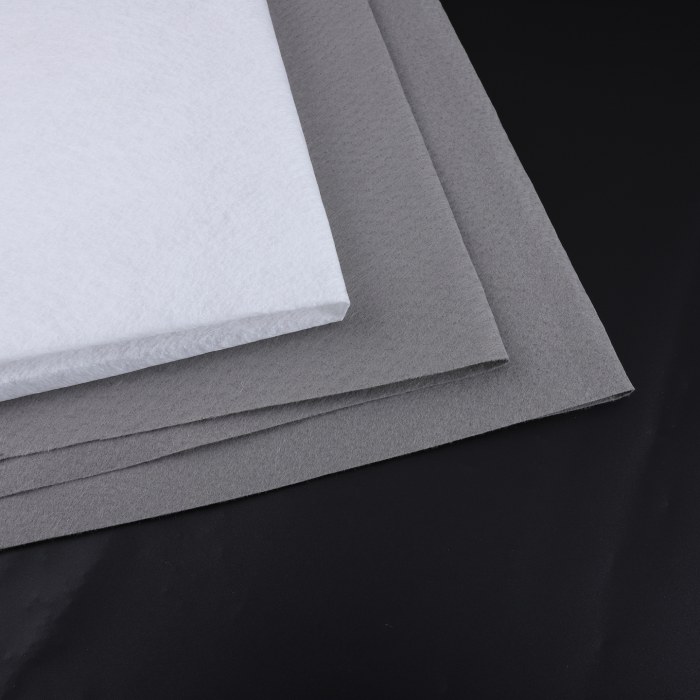
Once the application has been identified, buyers should define the material specifications clearly. A quotation based only on the term furniture lining fabric may leave too many details uncertain.
The following specifications help suppliers understand the required material and evaluate whether it is suitable for the intended furniture component.
Specification | Information to Confirm | Why It Matters |
Fiber composition | PP, PET, or a specified fiber blend | Determines the actual material structure and helps avoid composition misunderstandings |
GSM | Required fabric weight in grams per square meter | Affects material weight and is one of the basic purchasing specifications |
Thickness | Required thickness or acceptable range | Helps determine whether the material fits the component design |
Width | Required roll width | Affects cutting, material utilization, and production compatibility |
Roll length | Required length per roll | Helps buyers plan material handling and production |
Core and roll dimensions | Core diameter and maximum roll outer diameter, if required | Helps confirm compatibility with the buyer's equipment and storage arrangements |
Color and surface | Required color and surface appearance | Helps meet the visual and production requirements of the furniture component |
Mechanical requirements | Relevant strength or other performance requirements | Helps determine whether the fabric can withstand the intended processing and use |
Packaging | Individual roll or other packaging requirements | Helps ensure that the material can be handled and stored appropriately |
Fiber Composition
Buyers should specify whether they require polypropylene, polyester, or a blended fiber structure. If a particular fiber ratio is required, it should be stated clearly and confirmed by the supplier.
A product's commercial name should not be treated as proof of its exact fiber composition.
GSM
GSM refers to grams per square meter and indicates the fabric's weight per unit area. Buyers should provide the target GSM or an acceptable range according to their product design and application.
The required GSM should be confirmed together with thickness and sample performance rather than considered in isolation.
Thickness and Hand Feel
Thickness and hand feel can affect how the fabric fits into the furniture structure and how it behaves during handling and processing.
Buyers should clarify the required thickness and whether the material needs to be soft, flexible, firm, or relatively stiff. If possible, providing a reference sample can help the supplier understand the expected result.
Width and Roll Length
Roll width and length should match the buyer's production arrangement and material handling requirements.
If the material will be processed on an existing cutting or converting line, buyers should also confirm the equipment's usable width and roll dimensions.
Color and Surface Appearance
The required color and surface appearance should be specified before production. If color consistency between batches is important, buyers should communicate this requirement and confirm the relevant sample or color standard with the supplier.
Why Do Processing Methods Affect the Selection of Furniture Nonwoven Fabric?
The suitability of a nonwoven fabric depends not only on its basic specifications but also on how it will be processed and installed.
Different furniture manufacturers may use different methods to convert and attach the material. These methods can place different demands on fabric strength, flexibility, thickness, and dimensional stability.
Processing Method | What Buyers Should Consider |
Cutting | Whether the fabric can be cut into the required shapes and dimensions |
Sewing | Whether the material can withstand the sewing process without unacceptable damage |
Stapling or mechanical fixing | Whether the material has sufficient strength for the selected fixing method |
Bonding or lamination | Whether the fabric is compatible with the selected adhesive or composite structure |
For cutting, buyers should consider the required shape, cutting accuracy, and whether the fabric edges need to remain stable during processing.
For sewing, the fabric needs to be evaluated according to the sewing method and the stresses applied during production. Buyers should confirm whether the material can be processed without tearing or other unacceptable damage.
For stapling or other mechanical fixing methods, the material should be checked for its ability to withstand the fixing process and remain in the required position.
For bonding or lamination, buyers should confirm compatibility between the nonwoven fabric, adhesive, and other materials in the structure. The actual bonding result should be evaluated through sample testing.
Suppliers should not assume that one nonwoven specification is suitable for every processing method. Buyers should explain the actual production process so that material recommendations can be based on the intended use.
What Information Should Furniture Manufacturers Provide When Requesting a Nonwoven Fabric Quotation?
To obtain a more accurate quotation, furniture manufacturers should provide more than a general product name. Clear application details and technical requirements help suppliers identify the correct material and reduce unnecessary communication during sample development and order confirmation.
The following information is useful when sending an inquiry:
Information | Details to Provide |
Product name or application | Furniture lining fabric, sofa bottom cloth, furniture backing fabric, or another specific application |
Installation position | Where the fabric will be used in the furniture structure |
Main function | Internal lining, backing, separation, protection, or bottom covering |
Fiber composition | Required fiber type or blend, if specified |
GSM | Target weight or acceptable range |
Thickness | Required thickness or reference sample |
Width and roll length | Required dimensions for each roll |
Color and surface | Required color and surface appearance |
Processing method | Cutting, sewing, stapling, bonding, or lamination |
Quantity | Estimated trial order and regular purchasing volume |
Sample or drawing | Existing material sample, product photograph, drawing, or component reference |
Packaging | Required roll packaging and labeling details |
If the buyer has an existing material sample, sending it to the supplier can make the evaluation more accurate. A photograph or drawing showing the installation position can also help clarify the intended application.
For customized materials, buyers should confirm the final specifications and sample approval before mass production. This helps both parties establish a clear reference for subsequent orders and batch consistency.
Conclusion: Define the Furniture Application Before Confirming the Material
Furniture lining fabric, upholstery fabric, and sofa bottom cloth are related terms, but they do not necessarily refer to the same material or installation position. Furniture lining fabric generally serves internal or less visible functions, upholstery fabric is normally used on visible exterior surfaces, and sofa bottom cloth specifically covers the underside of a sofa.
PP needle-punched nonwoven may be considered for certain furniture lining and backing applications, but its suitability depends on the actual fiber composition, fabric specifications, processing method, and final installation requirements.
For furniture manufacturers and material buyers, the most reliable sourcing approach is to define the component's position and function first, then confirm fiber composition, GSM, thickness, dimensions, processing requirements, and sample performance with the supplier.
Clear specifications help reduce misunderstandings, improve material matching, and support more consistent purchasing decisions.