
Foam-Backed Upholstery Fabric vs. Separate Foam and Fabric Layers in Furniture Production
When sourcing materials for furniture manufacturing, buyers may choose between pre-laminated foam-backed upholstery fabric and purchasing foam and fabric separately.
Both sourcing methods can be used in furniture production, but they involve different material preparation processes, production arrangements, and purchasing responsibilities. The right choice depends on the manufacturer's equipment, production workflow, order requirements, and material management capabilities.
Understanding these differences can help furniture manufacturers select a more suitable sourcing model before placing an order.
What Is the Difference Between Pre-Laminated Foam-Backed Fabric and Separately Purchased Foam and Fabric?
The main difference is when the foam and fabric are combined.
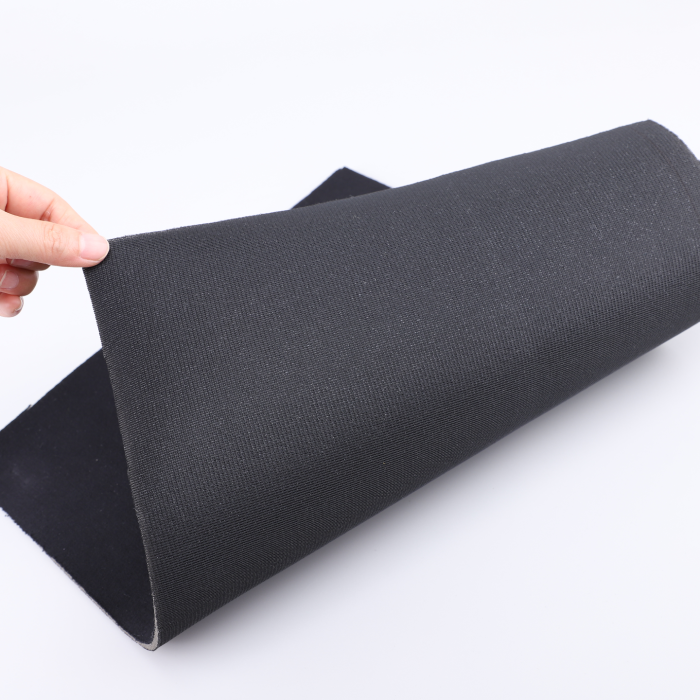
With pre-laminated foam-backed upholstery fabric, the foam and face fabric are bonded together before delivery. The buyer receives a composite material that can be used for subsequent furniture manufacturing processes, such as cutting, sewing, or quilting.
With separately purchased foam and fabric, the two materials are supplied independently. The furniture manufacturer or an external processing partner must arrange the lamination process before the composite material can be used in production.
Comparison | Pre-Laminated Foam-Backed Fabric | Separately Purchased Foam and Fabric |
Purchasing format | Foam and fabric are supplied as a composite material | Foam and fabric are purchased separately |
Material condition upon delivery | Already laminated | Not yet laminated |
Lamination responsibility | Completed before delivery by the supplier or processing partner | Arranged by the buyer or an external processor |
Production preparation | Composite material can proceed to subsequent processing after inspection | Additional lamination arrangements are required |
Material management | One composite material needs to be managed | Foam and fabric need to be managed separately |
Purchasing flexibility | Depends on available composite structures and customization options | Allows the buyer to select foam and fabric independently |
Neither sourcing method is automatically better in every situation. The decision should be based on how the materials fit into the manufacturer's existing production process.
How Does Purchasing Pre-Laminated Foam-Backed Fabric Affect Furniture Production?
Purchasing pre-laminated foam-backed fabric means that the foam and fabric bonding process has already been completed before the material reaches the furniture manufacturer.
This can simplify material preparation for manufacturers that do not have their own lamination equipment or prefer to purchase a ready-made composite material.
After receiving the material, the manufacturer can inspect the composite structure and arrange subsequent operations according to the product requirements. These operations may include cutting, sewing, quilting, and assembly.
However, pre-laminated material does not mean that no further processing is required. The material still needs to be compatible with the manufacturer's cutting methods, sewing equipment, quilting process, and final furniture design.
For example, a manufacturer producing upholstered sofa components may prefer to receive foam and fabric already bonded together. This allows the production team to work with a prepared composite material instead of arranging the bonding process separately.
Before purchasing, buyers should confirm the foam type, fabric specifications, lamination structure, finished thickness, roll width, and whether the material is suitable for their subsequent production processes.
When May Purchasing Foam and Fabric Separately Be More Suitable?
Purchasing foam and fabric separately may be more suitable for manufacturers that already have lamination equipment, an experienced processing team, or reliable external lamination resources.
In this sourcing model, the manufacturer can select the foam and face fabric independently and arrange the bonding process according to its production requirements.
This approach may provide more flexibility when a furniture manufacturer needs to adjust different foam and fabric combinations for different products or orders.
For example, a manufacturer may use different fabric types for sofa seats, backrests, and armrests while selecting foam materials according to the requirements of each component. Purchasing the materials separately allows the manufacturer to organize these combinations before lamination.
However, separate purchasing also means that the manufacturer must coordinate the supply of both materials and arrange the additional processing step.
The buyer should consider whether its production facilities, processing resources, quality control procedures, and production schedule can support this arrangement.
Purchasing foam and fabric separately does not automatically reduce costs or guarantee better lamination quality. These results depend on the actual materials, processing conditions, and production management.
How Do the Two Supply Models Affect Material Management and Production Planning?
The two sourcing models also affect how manufacturers manage inventory, coordinate purchasing, and organize production schedules.
With pre-laminated foam-backed fabric, the buyer manages a composite material rather than two separate raw materials. This can simplify material preparation and reduce the need to coordinate separate foam and fabric deliveries.
However, the manufacturer still needs to manage the specifications and inventory of different composite materials, especially when multiple fabric types, foam thicknesses, or product designs are involved.
With separate foam and fabric purchasing, the manufacturer needs to manage two material categories independently. The purchasing team must coordinate their specifications, quantities, delivery schedules, and availability before arranging lamination.
This model may offer greater freedom when changing material combinations, but it also creates additional coordination responsibilities.
Management Factor | Pre-Laminated Foam-Backed Fabric | Separate Foam and Fabric |
Inventory management | Composite material inventory | Separate foam and fabric inventories |
Purchasing coordination | Mainly focuses on the finished composite specification | Requires coordination between two material suppliers |
Production preparation | Lamination is completed before delivery | Lamination must be arranged before subsequent processing |
Material changes | Changes may require a new composite specification | Foam and fabric can be selected and adjusted separately |
Production scheduling | Depends on the delivery schedule of the composite material | Depends on the availability of both materials and lamination arrangements |
Processing responsibility | Lamination is completed before the buyer receives the material | The buyer or an external processor coordinates lamination |
Manufacturers should evaluate not only the purchasing price but also the effect of each sourcing model on inventory, production coordination, and delivery arrangements.
How Should Different Furniture Manufacturing Models Choose a Supply Method?
The suitable sourcing method depends on the manufacturer's production setup and operating requirements.
For manufacturers without lamination equipment, purchasing pre-laminated foam-backed fabric may be more practical. The supplier or processing partner completes the bonding process, allowing the manufacturer to focus on subsequent production operations.
For manufacturers with their own lamination equipment and processing teams, purchasing foam and fabric separately may be an option. They can arrange the bonding process internally and adjust material combinations according to different orders.
For manufacturers with stable, repeated orders, pre-laminated materials may help standardize material preparation and simplify production arrangements, provided that the composite specifications remain consistent.
For manufacturers handling frequent design changes or customized orders, separate purchasing may provide more flexibility in selecting foam and fabric combinations. However, the manufacturer must also be able to manage the additional purchasing and processing coordination.
Manufacturers with reliable external lamination partners may also consider separate material purchasing, provided that the processing partner can meet the required quality, production schedule, and delivery arrangements.
The decision should therefore be based on the manufacturer's actual production resources rather than assuming that one sourcing model is suitable for every furniture factory.
How Should Buyers Compare the Overall Costs and Production Requirements of the Two Sourcing Methods?
When comparing the two sourcing methods, buyers should look beyond the unit price of the materials.
For pre-laminated foam-backed fabric, the quoted price generally relates to the composite material supplied after lamination. Buyers should confirm what materials and processing steps are included in the quotation.
For separately purchased foam and fabric, the buyer needs to consider the cost of both materials and the additional lamination arrangement. If the process is outsourced, the processing charge and related logistics should also be considered.
Other factors may affect the overall purchasing decision, including inventory management, production planning, material handling, and delivery risks.
Cost and Production Factor | What Buyers Should Evaluate |
Material purchasing cost | Compare the cost of the complete composite material with the combined cost of separately purchased foam and fabric |
Lamination processing | Confirm whether lamination is included or needs to be arranged separately |
Inventory management | Consider the storage and management requirements for composite materials or separate materials |
Production planning | Evaluate how each sourcing method fits the existing production workflow |
Delivery arrangements | Consider the delivery schedules of composite materials or separate foam and fabric |
Production compatibility | Confirm whether the material structure is suitable for cutting, sewing, quilting, and final assembly |
A lower material quotation does not necessarily mean a lower overall production cost. Buyers should compare the complete sourcing and processing arrangements based on their actual production requirements.
The most suitable option is the one that meets the required material specifications while fitting the manufacturer's production capabilities, quality requirements, and delivery schedule.
What Information Should Furniture Manufacturers Confirm Before Choosing a Purchasing Method?
Before placing an order, furniture manufacturers should clarify the following information to help suppliers understand the required material structure and supply arrangement.
Information to Confirm | Details to Provide |
Final application | Sofa seats, backrests, armrests, mattress components, or other furniture parts |
Purchasing method | Pre-laminated foam-backed fabric or separately purchased foam and fabric |
Face fabric | Fabric type, composition, GSM, thickness, color, and width |
Foam material | Foam type, thickness, density, hardness, and other required specifications |
Lamination structure | Foam and fabric combination, single-sided or double-sided lamination, and bonding requirements |
Lamination responsibility | Whether the supplier, buyer, or an external processor is responsible for bonding |
Subsequent processing | Cutting, sewing, quilting, and other manufacturing operations |
Production equipment | Available lamination equipment and relevant processing capabilities |
Supply specifications | Roll width, roll length, packaging, and other delivery requirements |
Order quantity | Sample quantity, trial order quantity, and expected bulk order volume |
Quality requirements | Inspection items, acceptance criteria, and required testing methods |
Delivery requirements | Expected lead time and delivery arrangements |
Providing these details helps suppliers evaluate the required material structure and determine whether the requested sourcing method can be supported.
For manufacturers looking for custom foam bonded fabric for furniture, the foam type, face fabric, lamination structure, and subsequent processing requirements should be confirmed together. This helps avoid specification differences between the sample stage and bulk production.
HuiZhou JinHaoCheng Nonwovens Co., Ltd. has experience in foam and fabric lamination projects involving PU and EVA foam, with different fabric combinations and lamination methods, including flame lamination, adhesive lamination, and hot-melt lamination. Processing arrangements may vary depending on the specific project requirements.
Whether a manufacturer chooses pre-laminated foam-backed fabric or purchases foam and fabric separately, the key is to confirm the material specifications, processing responsibilities, and production requirements before ordering.




