Wool vs. Synthetic Emergency Blankets: Which Material Fits Different Supply Requirements?
Emergency blankets are widely used for emergency supply storage, temporary shelters, outdoor emergency kits, and other situations where temporary warmth is needed. For importers, wholesalers, brand owners, and emergency supply buyers, choosing an emergency blanket involves more than comparing material names or unit prices. Buyers also need to consider the intended application, fiber composition, weight, thickness, softness, dimensions, and bulk supply requirements.
Emergency blankets are available in different material structures. Wool blend needle-punched blankets, synthetic fiber blankets, and reflective emergency blankets differ in their material composition, product construction, and ways of use. They also serve different product positioning and procurement needs.
So, how should buyers choose between wool blend emergency blankets and synthetic emergency blankets? What should they consider when comparing these materials in terms of warmth and comfort, weight, product structure, and customization?
This article explains the differences between common emergency blanket materials and the key specifications buyers should confirm before placing bulk orders.
What Are the Common Types of Emergency Thermal Blankets?
Before purchasing emergency thermal blankets, buyers should first understand the different material structures available. Common emergency blanket products can generally be divided into the following categories.
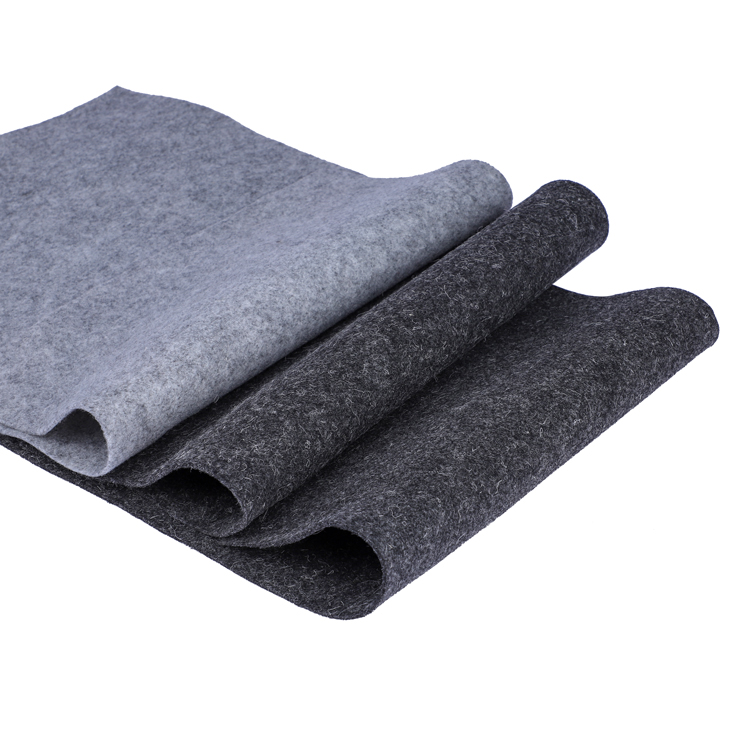
Wool blend needle-punched blankets: These blankets are made by blending wool with other fibers and forming a nonwoven material structure through the needle-punching process. They can combine the natural feel and warmth-related comfort of wool with the structural stability of other fibers. They are suitable for product development projects where material feel and comfort are important considerations.
Synthetic fiber emergency blankets: These blankets are generally made from synthetic fibers such as polyester. Buyers can adjust the GSM, thickness, softness, and material structure according to their product positioning. They can be considered for different emergency supply products and bulk production projects.
Reflective emergency blankets: These products typically use a film or composite material structure. Their reflective surface helps reduce heat loss by reflecting body heat. Their construction is different from that of wool blend needle-punched blankets and polyester fiber blankets, so they should not be compared using exactly the same material specifications.
Buyers should first determine whether they need a fiber blanket with a certain thickness and covering feel or a lightweight emergency blanket with a reflective structure. Different product types require different approaches to material selection and specification confirmation.
Wool Blend Needle-Punched Blankets: Suitable for Products Focused on Warmth and Softness
Wool is a natural fiber with a naturally crimped structure. The spaces between wool fibers can help trap air, which contributes to the material's thermal comfort and soft feel.
For emergency thermal blanket development, wool can be blended with other fibers, such as polyester, and then formed into a nonwoven material with a certain thickness and structure through the needle-punching process.
Compared with using wool fiber alone, a blended structure allows the fiber ratio to be adjusted according to product requirements. This helps buyers balance softness, structural stability, resilience, and cost.
When evaluating wool blend needle-punched blankets, buyers should focus on the following aspects.
Fiber composition: Confirm the wool content and whether the material is blended with polyester or other fibers. The wool ratio can influence the material's feel and overall characteristics, but it does not determine every performance aspect of the finished product on its own.
Softness and comfort: If the blanket is intended for direct body coverage, material feel, surface condition, and comfort against the skin are important considerations. Buyers should evaluate samples rather than judge the product only by its material name.
GSM and thickness: GSM refers to the weight of the material per unit area, while thickness refers to its physical dimension. They are not interchangeable measurements. Materials with the same GSM may have different thicknesses because of differences in fiber composition, needle-punched structure, and compression.
Dimensions and coverage requirements: The finished blanket dimensions should be determined according to the intended number of users, coverage area, packaging method, and product positioning in the target market.
It is important to note that a higher wool content does not automatically make a blanket more suitable for every procurement project. The final material should be evaluated based on softness, weight, thickness, cost, and actual application requirements.
Synthetic Fiber Emergency Blankets: Suitable for Buyers Focused on Specification Control and Bulk Supply
Synthetic fiber emergency blankets are generally made from polyester or other synthetic fibers. Compared with wool blend materials, synthetic fiber materials have different characteristics in terms of specification design, material cost control, and bulk production.
For importers and wholesalers who need regular purchases, consistent specifications, or private-label product development, synthetic fiber materials are another option worth evaluating.
Buyers should pay attention to the following factors.
Material composition: Confirm the types of fibers used and whether blending with other fibers is required. Different fibers have different physical properties and processing characteristics.
GSM and thickness: Determine the material specifications according to the required weight, covering feel, and packaging requirements. GSM alone cannot fully indicate the thickness or final user experience of a blanket.
Softness and surface condition: If the product is intended for direct body coverage, buyers should evaluate its hand feel, surface uniformity, and comfort during use to ensure that it meets the expectations of the target customers.
Batch consistency: For bulk orders, confirm the requirements for GSM, thickness, dimensions, appearance, and other specifications. Acceptance criteria for bulk production should be established after sample approval.
Cost and product positioning: Buyers should evaluate the material solution based on raw material costs, target selling prices, product positioning, and expected order quantities, rather than comparing only the price per square meter or per blanket.
If a procurement project does not have a specific natural fiber content requirement and places greater emphasis on specification control, cost management, and bulk supply, synthetic fiber materials can be included in the comparison.
How Are Reflective Emergency Blankets Different from Fiber Blankets?
Reflective emergency blankets are also common emergency thermal products, but their material structures differ from those of wool blend needle-punched blankets and synthetic fiber blankets.
Fiber blankets mainly rely on their fiber structure to create a certain thickness and covering layer. Reflective emergency blankets generally use a film or composite material surface to help reduce body heat loss through reflection.
For this reason, buyers should not assume that these products are directly interchangeable simply because they are all called emergency blankets.
If the target product emphasizes lightweight construction, easy folding, and compact packaging, a reflective structure may be worth considering. If the product places greater emphasis on fiber material thickness, covering feel, softness, and touch, buyers should focus on evaluating wool blend or synthetic fiber blankets.
Buyers should also confirm the product structure, durability, packaging requirements, and applicable product standards according to the intended use. Different product structures require corresponding sample evaluation methods.
How Can Buyers Balance Material Weight, Warmth Requirements, and Ease of Use?
Material selection for emergency blankets is not simply about choosing a higher GSM, a thicker material, or a higher natural fiber content. The key is whether the product specifications meet the actual requirements of its intended application.
Weight and portability
If the product needs to fit into an emergency kit, outdoor equipment bag, or other portable packaging, the weight of each blanket and its folded package volume become important considerations.
If the product is mainly intended for temporary accommodation, emergency supply storage, or large-scale distribution, buyers may pay more attention to coverage area, material thickness, individual blanket weight, and storage space.
Therefore, buyers should clarify the main application and packaging method before finalizing the material specifications.
Thickness and covering comfort
Thicker fiber materials generally provide a different covering feel and touch. However, material thickness can also affect product weight, packaging volume, and transportation costs.
Buyers should determine suitable specifications based on finished dimensions, target weight, and intended use rather than simply assuming that thicker materials are always better.
Fiber ratio and material characteristics
Wool, polyester, and other fibers have different material characteristics. The blending ratio, fiber length, needle-punched structure, and material density may all influence the final material's hand feel, resilience, and structural performance.
When selecting wool blend emergency blankets, buyers should therefore confirm the wool content, other fiber components, GSM, and thickness, and evaluate the actual results through samples.
Comfort and product application
If an emergency blanket is intended for direct body coverage, softness, surface condition, and comfort should be important evaluation criteria.
If the product is intended for another specialized application, its material structure and performance requirements should be determined according to that specific use. The material requirements for an ordinary thermal blanket cannot automatically be applied to fire protection or safety products.
What Specifications Should Buyers Confirm for Custom Emergency Blankets and Bulk Orders?
For importers, wholesalers, and brand owners, providing clear purchasing requirements helps manufacturers evaluate suitable material solutions and reduces communication gaps during sample approval and bulk production.
When requesting a quotation or developing a new product, buyers should prepare the following information.
Intended application: Explain whether the product is intended for body coverage and warmth, temporary shelter, outdoor emergency kits, or another specialized application.
Fiber composition: Specify whether wool blends, polyester fibers, or other designated materials are required. If a target wool content is needed, it should also be stated in advance.
GSM and thickness: Provide the target GSM and thickness range. If these specifications have not yet been determined, buyers can provide a reference sample or describe the expected application requirements.
Finished dimensions: Confirm the length, width, coverage area per blanket, and dimensional tolerances.
Weight requirements: If the product needs to be portable or distributed in bulk, specify the target finished weight per blanket or the required weight range.
Color and appearance: State the required color, surface condition, edge finishing, and whether printing or other processing is needed.
Packaging method: Confirm individual packaging, folding method, labels, carton specifications, and the number of blankets per carton.
Order quantity and supply plan: Provide the estimated purchase quantity, initial order quantity, and expected future purchasing plan so that the production and packaging arrangements can be evaluated.
If the procurement project involves special functional requirements, buyers should also clarify the applicable testing standards, performance indicators, and acceptance criteria. Products for different applications should not be judged only by material names or general descriptions from suppliers.
How Should Buyers Choose Emergency Blanket Materials Based on Their Actual Applications?
Wool blend emergency blankets, synthetic fiber emergency blankets, and reflective emergency blankets have different material structures and product positioning. No single material is suitable for every procurement project.
If the product requires natural fiber content, softness, and thermal comfort, buyers can start by evaluating wool blend needle-punched blankets.
If the product places greater emphasis on specification control, bulk production, and cost management, synthetic fiber materials such as polyester can be included in the comparison.
If the product focuses on lightweight construction and a reflective structure, buyers should evaluate reflective emergency blankets and confirm the corresponding requirements based on their material construction.
For custom product development projects, HuiZhou JinHaoCheng Nonwovens Co., Ltd. can discuss wool blend needle-punched materials and related specifications according to different application requirements.
If the product is intended for body coverage and everyday warmth, buyers can specify requirements for softness, comfort, fiber composition, GSM, thickness, weight, and finished dimensions.
If the product is intended for fire protection or safety applications, the flame-retardant treatment, material structure, heat resistance requirements, and applicable testing standards need to be confirmed according to the specific application. These products cannot simply use the same material requirements as ordinary thermal blankets. Material performance and finished product requirements also need to be confirmed through samples and necessary testing.
Therefore, whether buyers need thermal emergency blankets or functional blankets for fire protection, they should first clarify the intended application, product specifications, and expected performance before discussing a suitable material solution with the manufacturer.
The right material selection should start with the actual application of the finished product, not simply with the name of the fiber, whether wool or synthetic.