Thermal Bonded Wadding Manufacturing Process Explained: From Raw Materials to Custom Solutions
Introduction
When searching for a reliable thermal bonded wadding manufacturer, many buyers focus mainly on price, weight, and delivery time. However, the real difference between suppliers is often hidden in the manufacturing process.
The same specification of thermal bonded wadding can have completely different performance depending on raw materials, fiber blending ratio, bonding temperature, and production control. Some products may have problems such as poor loft, uneven thickness, weak recovery, fiber shedding, or unstable quality between batches.
For garment manufacturers, bedding brands, furniture producers, automotive suppliers, and filtration companies, choosing the right wadding supplier is not only about purchasing a filling material. The quality of the material directly affects the comfort, durability, and market performance of the final products.
Thermal bonded wadding is also known as thermally bonded wadding, nonwoven wadding, polyester wadding, nonwoven batting, or thermal bonded batting in different industries. Although these materials share similar production concepts, their performance can vary significantly based on manufacturing technology and material selection.
Therefore, working with an experienced thermal bonded wadding manufacturer is essential for stable supply, consistent quality, and customized solutions.
What Is Thermal Bonded Wadding and Why Is It Widely Used?
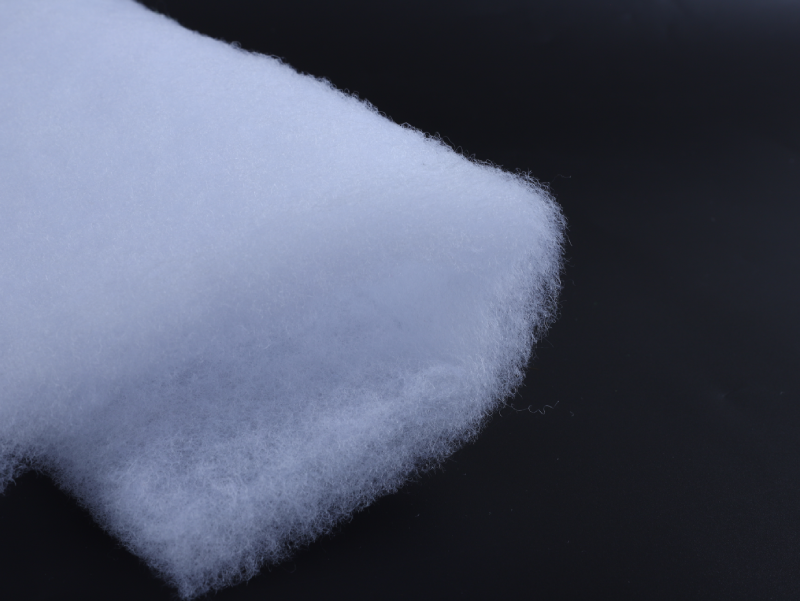
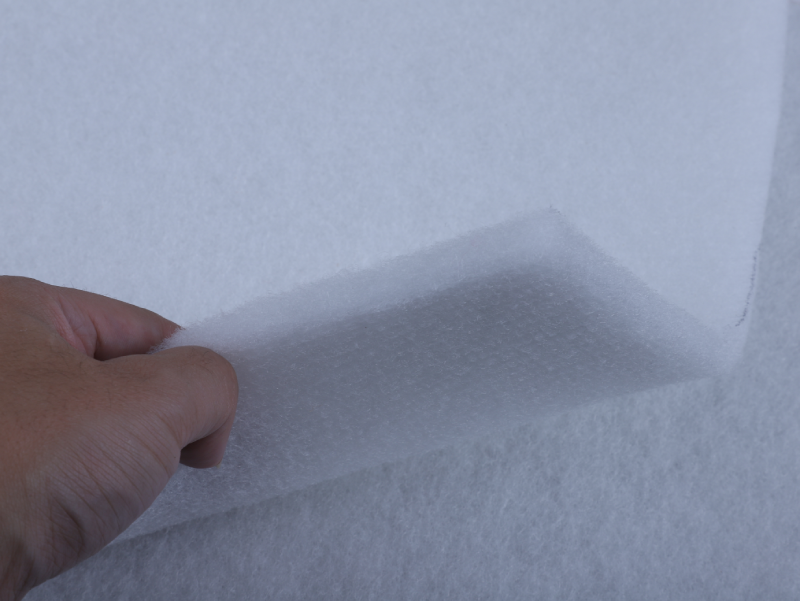
Thermal bonded wadding is a type of nonwoven filling material produced through a thermal bonding process.
Unlike traditional spray-bonded cotton, which relies on chemical adhesives to fix fibers together, thermally bonded wadding uses low melting point fibers that melt under controlled heat and create bonding points between fibers.
This manufacturing method allows thermal bonded wadding to achieve:
Excellent softness and loft
Good air permeability
Stable shape retention
Lightweight structure
Reduced chemical adhesive usage
Flexible customization options
Because of these advantages, nonwoven wadding is widely used in various industries, including:
Garment insulation materials
Quilt and bedding fillings
Mattress padding
Furniture upholstery
Automotive sound insulation
Air filtration materials
Healthcare and hygiene products
For companies requiring long-term supply, choosing a professional wadding manufacturer can significantly reduce quality risks during production.
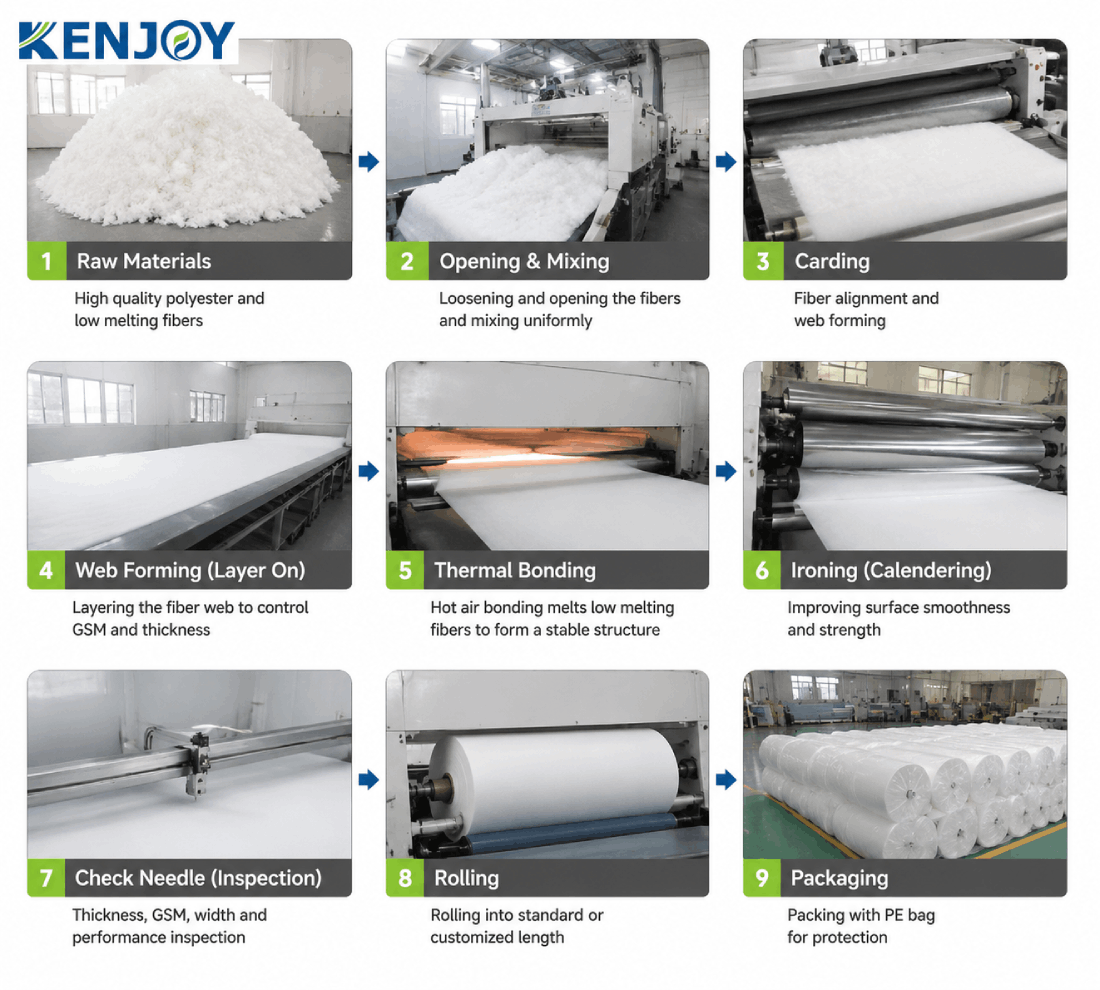
Thermal Bonded Wadding Manufacturing Process: Step-by-Step Guide
High-quality thermal bonded wadding is not simply produced by heating fibers. The final performance depends on multiple production stages, from raw material selection to finished product inspection.
The complete manufacturing process includes:
Raw material preparation → Fiber opening → Fiber blending → Carding → Web forming → Thermal bonding → Cooling and shaping → Cutting and packaging
Each stage directly influences the softness, thickness, strength, and stability of the final product.
Step 1: Raw Material Selection Determines Product Performance
The first step of producing thermal bonded wadding is selecting suitable fiber materials.
Common raw materials include:
ES bicomponent fibers
Polyester fibers (PET)
Low melting point bonding fibers
Functional modified fibers
Among them:
Polyester fibers provide strength, durability, and structural support.
Low melting point fibers create bonding points during the heating process and improve the stability of the fiber network.
Different applications require different fiber combinations.
For example:
Garment applications require softness and warmth.
Mattress applications require resilience and support.
Filtration applications require suitable air permeability and fiber density.
A professional polyester wadding manufacturer should be able to adjust fiber compositions according to different applications instead of only producing standard products.
Step 2: Fiber Opening and Uniform Blending
After raw materials are prepared, compressed fiber bundles are processed through an opening machine.
This process restores fiber looseness and improves mixing uniformity.
Proper fiber opening helps:
Reduce fiber clumping
Improve material consistency
Create a more even fiber structure
If fiber blending is not properly controlled, the finished thermal bonded batting may experience:
Uneven thickness
Weight variation
Inconsistent hand feel
For export customers, stable production consistency is one of the most important factors when selecting a supplier.
Step 3: Carding Creates an Even Fiber Web
After blending, fibers enter the carding process.
The carding machine separates and aligns fibers to form a uniform web structure.
This step affects:
Surface smoothness
Thickness consistency
Tensile strength
Processing performance
A high-quality nonwoven batting product requires a well-distributed fiber network to ensure stable performance during further processing.
Step 4: Web Forming Controls Thickness and Weight
During web forming, multiple fiber layers are stacked according to customer requirements.
By adjusting the web structure, manufacturers can control:
GSM weight
Thickness
Loft level
Softness
For example:
Lightweight thermal bonded wadding is suitable for hygiene products and thin insulation layers.
High GSM wadding is commonly used for mattresses, furniture, and industrial applications.
As a professional custom wadding supplier, manufacturers should provide solutions based on the customer's final application instead of simply offering available stock sizes.
Step 5: Thermal Bonding Is the Core Manufacturing Process
Thermal bonding is the most important stage in the thermal bonded wadding manufacturing process.
During this stage, hot air passes through the fiber web and melts the low melting point fibers.
After cooling, the melted fibers form stable bonding points, creating a strong three-dimensional fiber structure.
Compared with adhesive bonding methods, thermal bonding provides:
No chemical glue addition
Better softness
Improved breathability
Cleaner material performance
However, temperature control is extremely important.
If the bonding temperature is too low:
Fiber connections become weak.
The material may shed fibers easily.
If the temperature is too high:
The wadding may become stiff.
Loft and softness may decrease.
Therefore, production experience and equipment control are critical for a reliable thermal bonded wadding manufacturer.
Step 6: Cooling, Inspection, Cutting, and Packaging
After thermal bonding, the material enters the cooling and shaping stage.
This process helps maintain:
Stable thickness
Consistent dimensions
Better transportation performance
According to customer requirements, manufacturers can also provide:
Calendering treatment
Lamination processing
Custom cutting
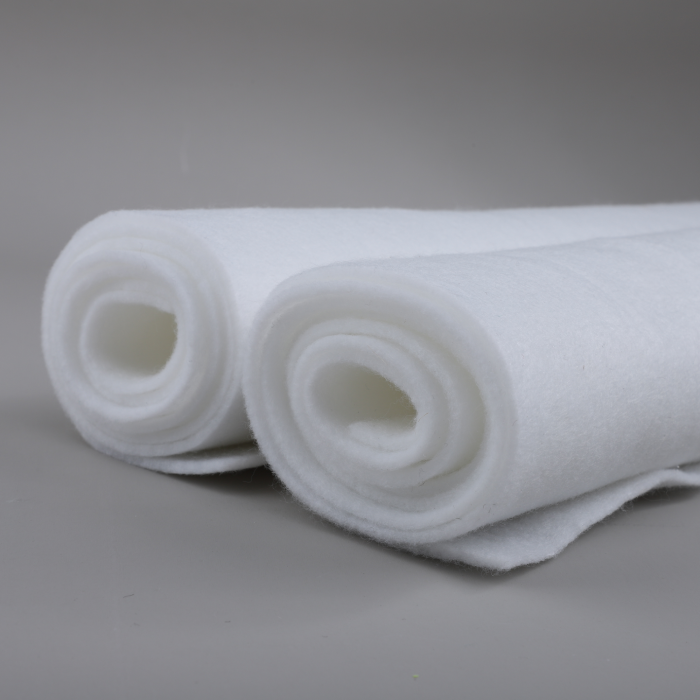
Roll packaging
Professional suppliers usually offer flexible solutions based on different industries and applications.
Why Do Thermal Bonded Wadding Products Have Different Quality Levels?
Many buyers find that prices vary significantly among different suppliers for similar thermal bonded wadding specifications.
The main reasons include:
Raw Material Differences
Some low-cost suppliers use recycled fibers or unstable raw materials to reduce production costs.
Although the price may be lower, these materials may cause:
Unpleasant odor
Fiber shedding
Poor batch consistency
High-quality polyester wadding usually uses controlled raw materials to ensure stable performance.
Production Equipment Differences
Advanced production lines can better control:
GSM weight
Thickness
Fiber distribution
Product uniformity
Manufacturing Experience Differences
The bonding temperature, production speed, and fiber ratio all influence the final product quality.
Therefore, selecting a thermal bonded wadding supplier should not only depend on price but also on production capability and quality control systems.
What Parameters Should Buyers Confirm Before Purchasing Thermal Bonded Wadding?
Before placing bulk orders, buyers should confirm the following specifications:
Raw material composition
Fiber type
GSM weight
Thickness
Roll width
Required functional treatments
Different industries have different requirements.
Garment manufacturers usually focus on softness and insulation.
Furniture manufacturers require resilience and thickness.
Filtration companies focus on air permeability and fiber structure.
Healthcare products require safety and hygiene performance.
A professional custom wadding supplier can help customers select suitable materials according to their final applications.
Why Choose Kenjoy as Your Thermal Bonded Wadding Manufacturer?
HUIZHOU JINHAOCHENG NONWOVENS CO., LTD. is a professional thermal bonded wadding manufacturer and nonwoven felt manufacturer China with more than 20 years of manufacturing experience.
Located in Guangdong, China, our factory covers 26,000㎡ and is equipped with 15 automated production lines, achieving an annual production capacity of over 10,000 tons.
We provide not only standard thermal bonded wadding products but also complete customized solutions, including:
Custom wadding supplier services
OEM and ODM development
Customized GSM and thickness
Functional nonwoven material solutions
Our product range includes:
Thermal bonded wadding
Polyester wadding
Nonwoven batting
Thermal bonded batting
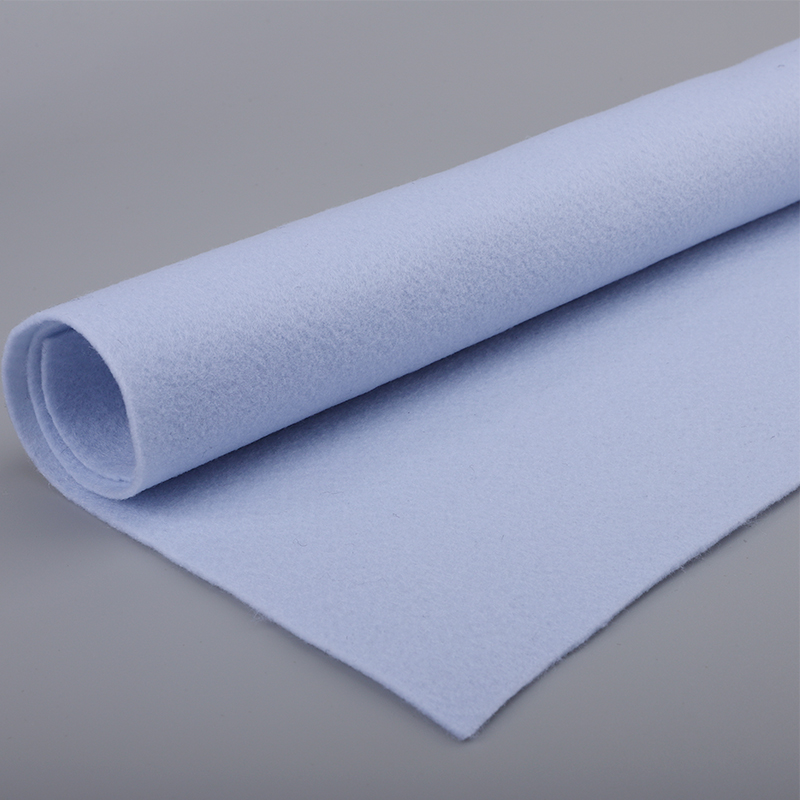
Needle punched felt
Floor protection roll
Painter felt
Anti-condensation felt
Meltblown nonwoven fabric
As an experienced OEM nonwoven manufacturer, we provide stable production capacity, strict quality control, and professional export support.
Our certifications include:
ISO9001
REACH
RoHS
GRS
OEKO-TEX
These certifications help global customers develop reliable products for different markets.
If you are looking for a professional thermal bonded wadding manufacturer, contact Kenjoy for samples, technical specifications, and customized material solutions.