Thermal Bonded Wadding vs Spray Bonded Wadding: Understanding the Difference Between Traditional Glue Bonding and Eco-Friendly Thermal Bonding Technology
When sourcing wadding materials, many buyers often face the same challenge: different suppliers use similar product names, but the performance, environmental standards, and manufacturing processes can be completely different.
Especially in the nonwoven industry, terms like thermal bonded wadding, spray bonded wadding, and polyester wadding are sometimes confusing for international buyers. Although these materials may look similar from the outside, the key difference lies in how the fibers are bonded together.
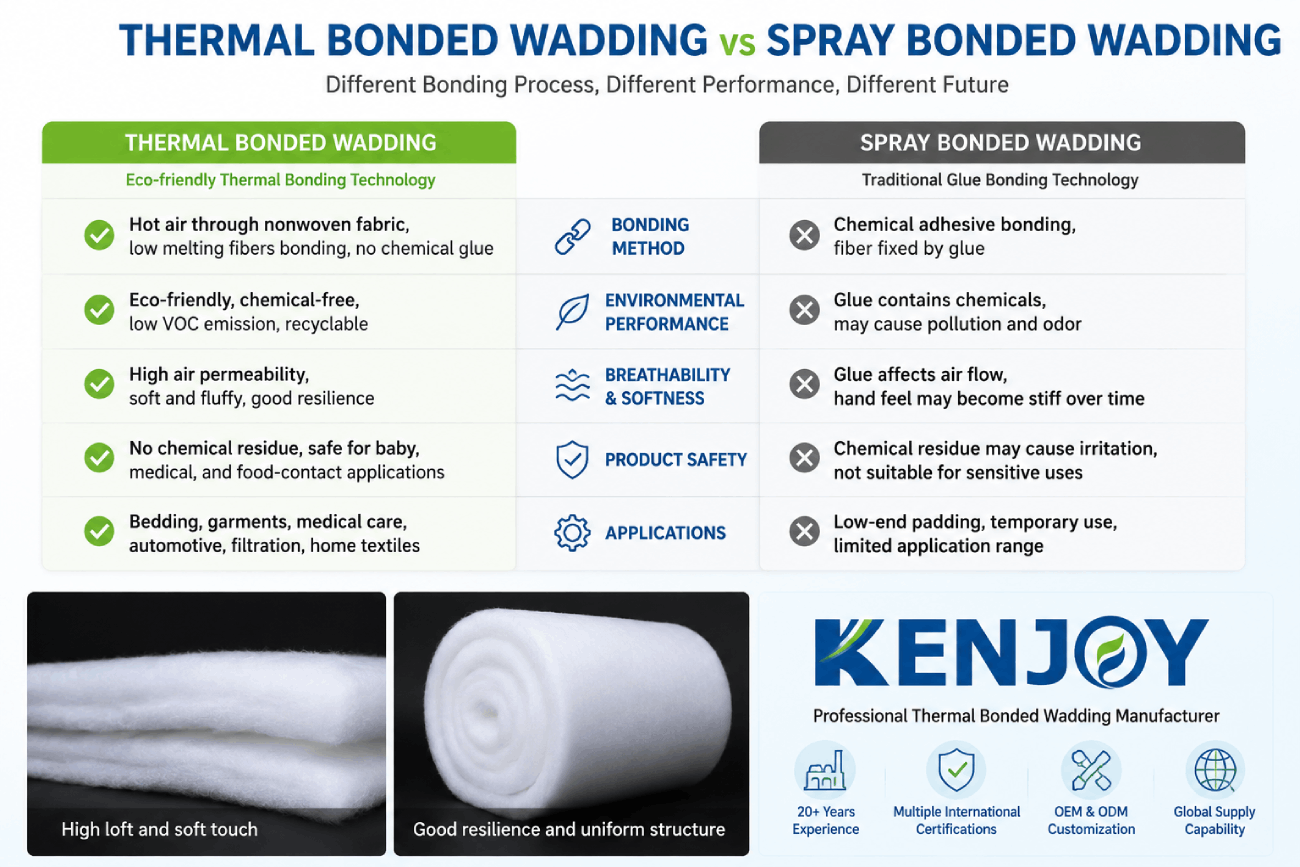
Traditional spray bonded wadding, also known as glue bonded wadding, was widely used in the past. This process relies on chemical adhesives to fix fibers together. However, with the increasing demand for sustainable manufacturing and stricter environmental regulations worldwide, glue bonding technology is gradually being replaced by more eco-friendly bonding methods.
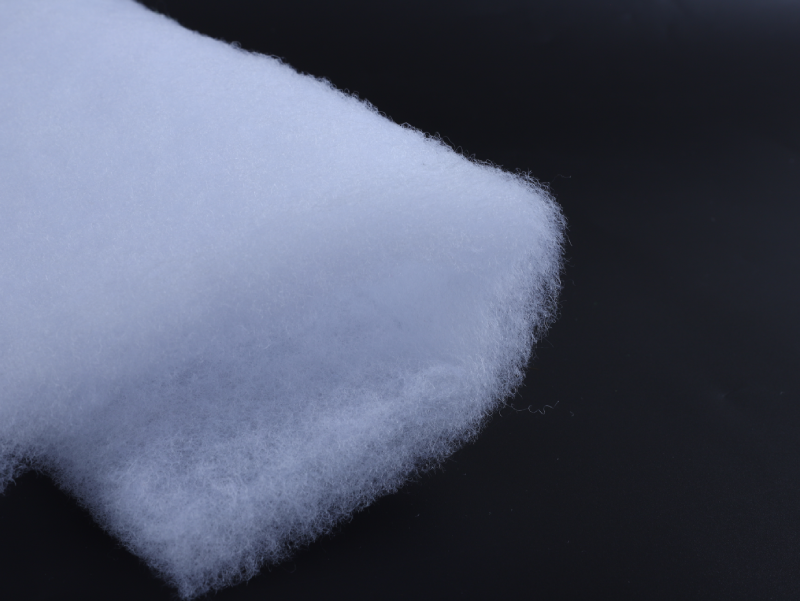
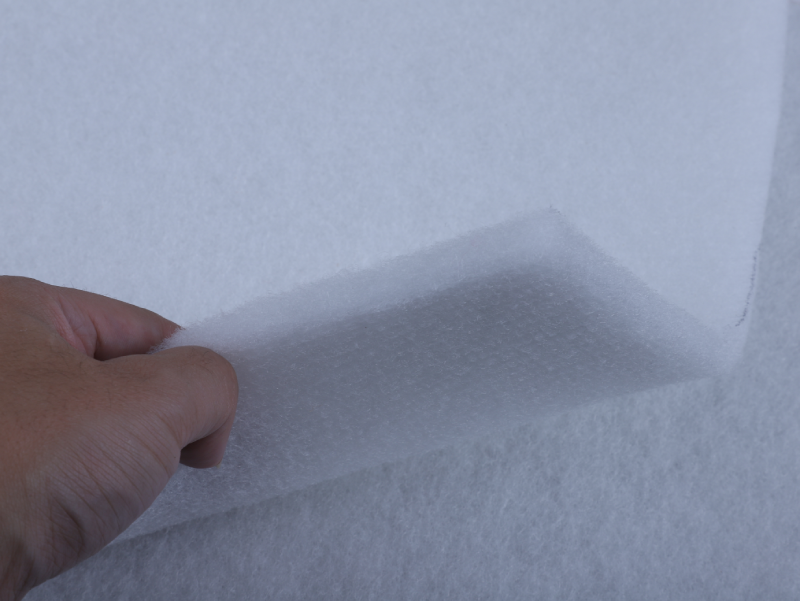
Modern thermal bonded wadding uses heat bonding technology instead of chemical adhesives. Through high-temperature air treatment, low melting point fibers melt and connect with other fibers, creating a stable three-dimensional structure without additional chemical glue.
As a professional thermal bonded wadding manufacturer, Huizhou Jinhaocheng Nonwovens Co., Ltd. provides both customized nonwoven solutions and environmentally friendly wadding materials for customers worldwide, helping brands and manufacturers upgrade their products with safer and more sustainable materials.
What Is the Difference Between Thermal Bonded Wadding and Spray Bonded Wadding?
For many buyers, the biggest misunderstanding is that thermal bonded wadding and spray bonded wadding are completely different products. In fact, the main difference is not the fiber type but the bonding method used during production.
Spray bonded wadding is produced by applying chemical adhesive onto fibers. The glue acts as a bonding agent to hold the fiber structure together. This production method was popular years ago because of its simple process and relatively low manufacturing cost.
However, chemical bonding may affect some important product characteristics. Excessive adhesive can reduce air permeability, influence softness, and create concerns regarding odor and environmental performance.
Thermal bonded wadding adopts a different approach. Instead of adding chemical glue, manufacturers use low melting fibers as a bonding component. During heating, these fibers soften and bond with surrounding fibers naturally.
This process creates thermally bonded wadding with better softness, breathability, and environmental performance, making it more suitable for modern applications such as home textiles, medical products, baby care products, automotive materials, and filtration.
Why Eco-Friendly Thermal Bonded Wadding Is Replacing Traditional Glue Bonded Materials
Today’s global buyers are no longer only focused on price. Product safety, environmental compliance, and supply chain sustainability have become important purchasing factors.
Compared with traditional spray bonded materials, eco-friendly thermal bonded batting provides several advantages.
The first advantage is chemical-free bonding.
Thermal bonded wadding does not require additional adhesive during production. The bonding process depends on fiber melting and thermal fusion, which helps reduce chemical residue and provides a cleaner material solution.
The second advantage is better softness and air circulation.
Because the fibers maintain a three-dimensional structure after thermal bonding, the material keeps good loft, flexibility, and breathability. This makes it suitable for products that require comfort and long-term performance.
The third advantage is stronger environmental adaptability.
With international markets paying more attention to sustainable materials, manufacturers and brands are increasingly choosing nonwoven batting produced with environmentally responsible processes to meet customer expectations and regulatory requirements.
How Thermal Bonded Wadding Is Manufactured: From Fiber Selection to Finished Product
The quality of thermal bonded wadding depends not only on raw materials but also on production technology and process control.
As an experienced thermal bonded wadding manufacturer, Kenjoy follows a complete manufacturing process to ensure stable product performance.
The production begins with fiber selection.
According to different applications, manufacturers may choose polyester fiber, ES fiber, low melting point fiber, or functional modified fibers. Different fiber combinations influence softness, thickness, resilience, temperature resistance, and durability.
After fiber preparation, the raw materials go through opening and mixing.
The fibers are loosened and evenly blended to ensure consistent distribution throughout the final material.
Next comes the carding process.
The fibers are arranged and formed into a uniform fiber web. This step directly affects the thickness, density, and surface quality of the final wadding.
After web formation, the material enters the thermal bonding stage.
Through controlled hot air circulation, the low melting fibers soften and bond with other fibers. No additional chemical adhesive is required during this process.
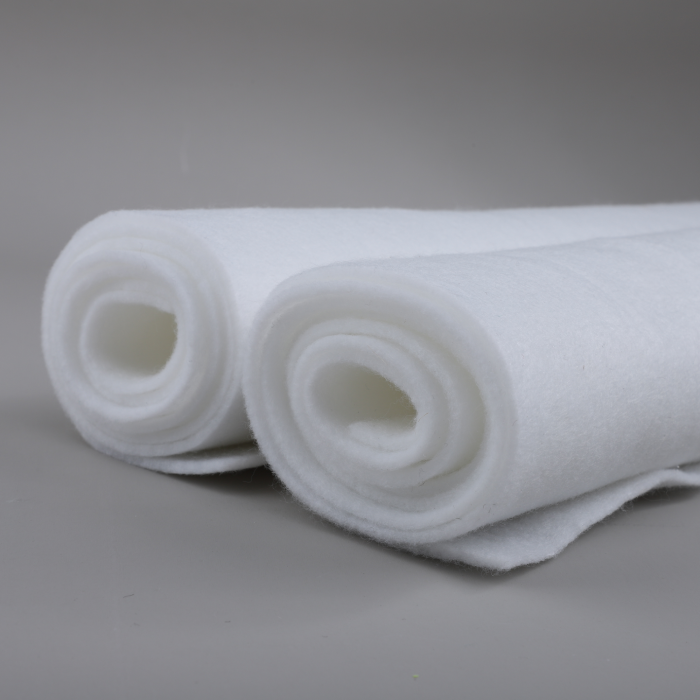
Finally, the material goes through cooling, shaping, inspection, rolling, and packaging.
This complete process allows manufacturers to produce stable polyester wadding, nonwoven wadding, and customized wadding products according to customer requirements.
Applications of Thermal Bonded Wadding in Different Industries
Due to its lightweight structure, softness, breathability, and environmental advantages, thermal bonded wadding has become an important material for many industries.
In home textiles, polyester wadding is widely used for quilts, mattress padding, sofa filling, and insulation layers.
In garment manufacturing, thermal bonded batting can be used as a lightweight alternative filling material for jackets, coats, and functional clothing.
In medical and hygiene industries, customized nonwoven wadding is used for nursing products, protective materials, and absorbent structures.
In automotive applications, thermal bonded materials provide sound absorption, cushioning, and thermal insulation performance.
For customers with special requirements, Kenjoy also provides customized solutions as a custom wadding supplier, including different weights, thicknesses, widths, colors, and functional treatments.
How to Choose the Right Thermal Bonded Wadding Supplier
Choosing the right supplier is critical for importers, wholesalers, and product manufacturers.
The first factor is production technology.
Buyers should confirm whether the supplier uses genuine thermal bonding technology or relies on traditional adhesive bonding methods.
The second factor is raw material quality.
High-quality virgin fibers provide better stability, cleaner appearance, lower odor, and more consistent performance compared with low-quality recycled materials.
The third factor is customization capability.
Different industries require different material structures. A professional supplier should be able to adjust fiber composition, GSM weight, thickness, softness, flame retardancy, and other performance characteristics.
Working with an experienced wadding manufacturer can help customers reduce product risks and improve market competitiveness.
Why Choose Kenjoy as Your Thermal Bonded Wadding Manufacturer in China
Huizhou Jinhaocheng Nonwovens Co., Ltd. is a professional nonwoven felt manufacturer China with more than 20 years of manufacturing experience.
Located in Guangdong, China, Kenjoy operates a 26,000㎡ production facility equipped with 15 automated production lines and an annual production capacity exceeding 10,000 tons.
As an experienced OEM nonwoven manufacturer, we provide a wide range of nonwoven solutions, including:
Thermal bonded wadding
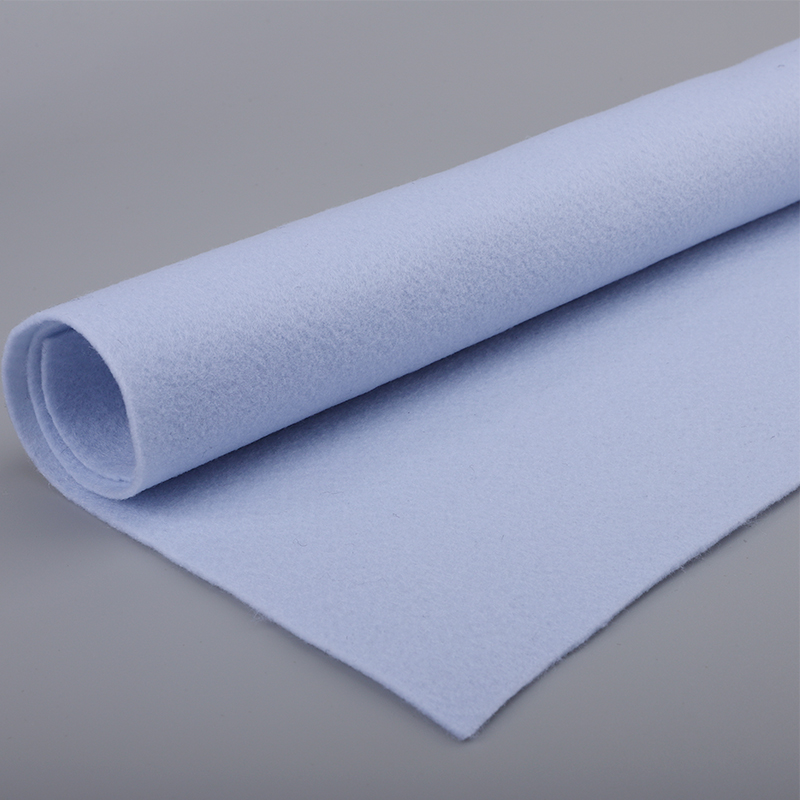
Needle punched felt
Floor protection roll
Painter felt
Anti-condensation felt
Meltblown nonwoven fabric
Industrial nonwoven materials
Kenjoy focuses on environmentally friendly manufacturing and strict quality management. Our certifications include:
OEKO-TEX STANDARD 100
ISO9001 Quality Management System
ISO13485 Medical Device Quality System
ISO14001 Environmental Management System
ISO45001 Occupational Health and Safety Management System
IATF16949 Automotive Industry Certification
GRS Global Recycled Standard
BSCI Social Responsibility Certification
UL94 Flame Retardant Certification
REACH Compliance
RoHS Compliance
We also own more than 20 patent inventions and have completed various product performance tests, including:
Flame Retardant Testing
Soundproof Performance Testing
Breathability Testing
EN13130 Food Grade Testing
Degradable Material Testing
With professional production capability and strong customization experience, Kenjoy provides reliable custom nonwoven products and wadding solutions for global distributors, wholesalers, and manufacturers.
If you are looking for a reliable thermal bonded wadding manufacturer, custom wadding supplier, or OEM nonwoven partner in China, contact Kenjoy for samples, technical information, and professional material recommendations.