Can Polyester Acoustic Felt Be Reused? How Reusable Acoustic Materials Support Sustainable Construction
As green building and sustainable interior design continue to develop, more construction companies and material buyers are paying attention not only to acoustic performance but also to the service life, reusability, processing efficiency, and environmental impact of interior materials.
For offices, residential buildings, KTV venues, cinemas, music rooms, recording studios, conference rooms, and commercial spaces, acoustic materials need to control sound while also meeting practical requirements for installation, maintenance, and future renovation.
Polyester acoustic felt offers an attractive solution for these applications. With its lightweight fiber structure, sound absorption capability, easy processing, and good dimensional stability, polyester acoustic felt can be used in various acoustic structures. When properly installed and maintained, some polyester acoustic felt products can also be removed, repositioned, or reused in suitable applications.
For customers looking for eco-friendly acoustic materials, reusable sound absorbing felt, or customized nonwoven solutions, polyester acoustic felt is becoming an increasingly interesting option.
Why Are Reusable Acoustic Materials Becoming More Important?
In the past, many renovation projects focused mainly on the initial purchase price of building materials. Today, professional buyers are increasingly looking at the total lifecycle cost of a material.
If acoustic materials need to be completely replaced every time a room is renovated, projects may face additional material costs, installation costs, transportation requirements, and waste disposal.
Reusable materials provide a different approach.
When polyester acoustic felt remains in good condition after installation, it may be possible to remove and reinstall it in another suitable location or use it as part of a redesigned acoustic system.
The value of reusable acoustic material is therefore not simply that it can be used twice. More importantly, it can potentially extend the useful life of the material and reduce unnecessary replacement.
This is particularly relevant for commercial buildings and interior spaces that are frequently renovated or reconfigured.
Why Is Polyester Acoustic Felt Suitable for Sustainable Interior Projects?
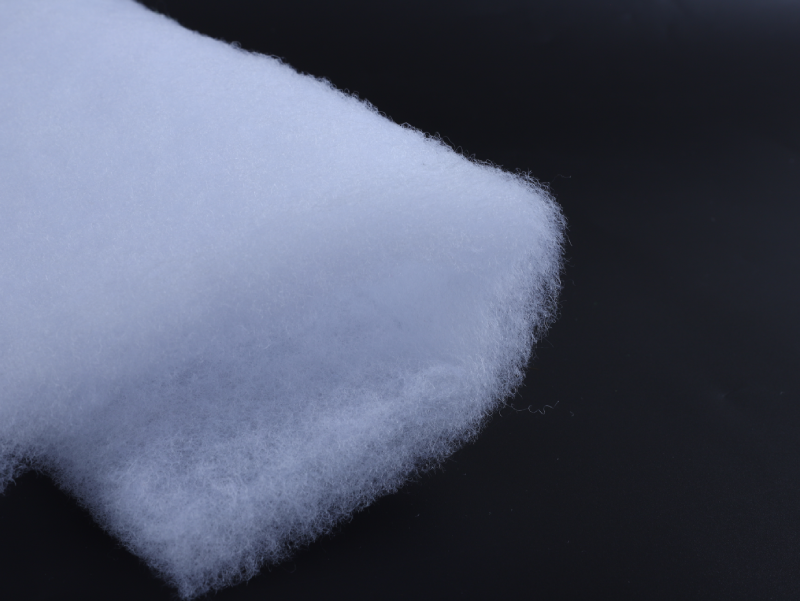
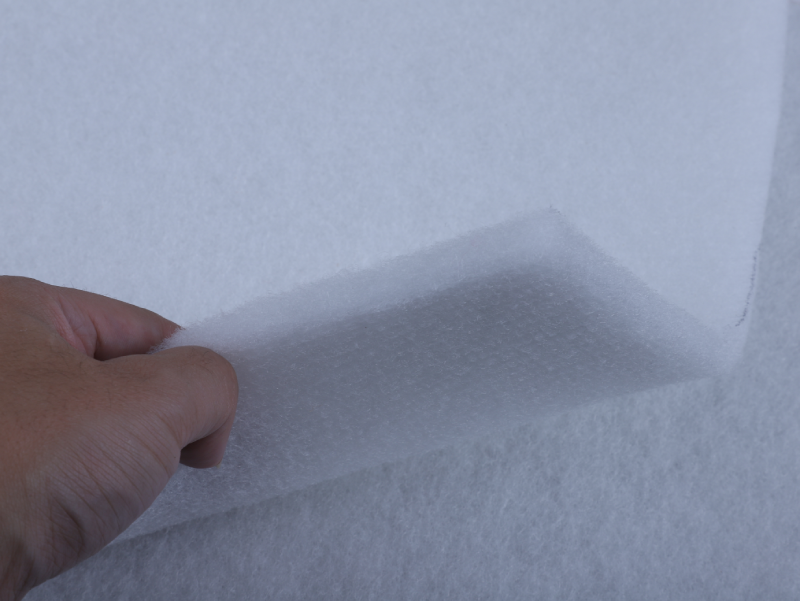
Polyester acoustic felt is generally manufactured from polyester fibers and processed into a porous fiber structure through methods such as needle punching, thermal bonding, and heat setting.
The interconnected spaces between the fibers allow sound waves to enter the material. As sound travels through the fiber network, energy is dissipated through friction and repeated interactions between air and fibers.
This helps reduce sound reflection and improve the acoustic environment of an interior space.
Another advantage is its relatively low weight.
Compared with some traditional acoustic materials, polyester fiber acoustic materials can be easier to transport, cut, handle, and install.
For large construction projects, these characteristics can improve installation efficiency while reducing the complexity associated with handling heavier materials.
How Can Reusable Polyester Acoustic Felt Help Reduce Project Waste?
For construction and renovation projects, material waste can come from several different stages of the project.
Replacing damaged or outdated acoustic materials creates additional purchasing requirements. At the same time, removing materials from walls and ceilings can generate significant amounts of construction waste.
When a polyester acoustic felt system is designed for easy removal and the material remains in usable condition, part of the material may be reused during renovation or space reconfiguration.
This can help reduce the amount of material immediately sent for disposal.
For large commercial projects, the concept of material reuse can therefore contribute to better resource utilization.
It can also provide buyers with another way to evaluate material value beyond the initial purchase price.
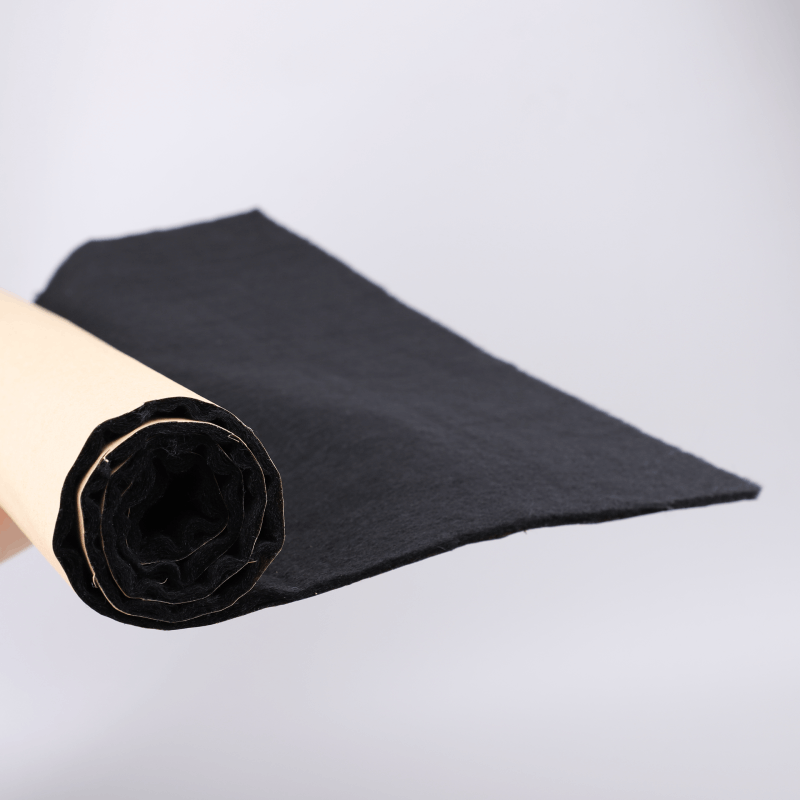
Where Can Reusable Polyester Acoustic Felt Be Used?
Polyester acoustic felt can be applied to a wide variety of indoor acoustic environments.
Homes and Bedrooms
Residential spaces often need to control echo, reflected sound, television noise, conversations, and other indoor acoustic disturbances.
Polyester acoustic felt can be incorporated into wall panels, ceiling systems, partitions, or internal acoustic structures.
Because the material is lightweight and easy to process, it can also be adapted to different interior design requirements.
For renovation projects, removable acoustic structures may provide additional flexibility when the layout of a room changes.
KTV Venues and Entertainment Spaces
KTV rooms, bars, and entertainment venues often contain relatively high sound energy and require effective reverberation control.
Polyester acoustic felt can be used together with other acoustic materials to create a customized sound absorption system.
Different thicknesses and densities can be selected according to the requirements of the space.
If the interior is redesigned in the future, removable acoustic components may also provide opportunities for material reuse.
Offices and Conference Rooms
Modern offices increasingly focus on speech clarity, meeting privacy, and employee acoustic comfort.
Polyester acoustic felt can be used for acoustic wall panels, partitions, ceiling systems, and decorative acoustic structures.
Since office layouts frequently change, lightweight and customizable materials can make future adjustments easier.
Music Rooms, Recording Studios, and Cinemas
Music rooms, recording studios, and cinemas have more specific acoustic requirements.
Different sound frequencies may require different acoustic structures, so material thickness, density, installation position, and air cavities should be considered together.
For these applications, polyester acoustic felt can serve as one component of a broader acoustic treatment system.
Is Reusability the Only Measure of Environmental Performance?
A material should not be considered environmentally friendly simply because it can potentially be reused.
Professional buyers should evaluate the entire material lifecycle, including manufacturing, transportation, installation, service life, maintenance, reuse, and final disposal.
Polyester acoustic felt can provide several practical advantages, including lightweight construction, flexible processing, and relatively convenient installation.
Its ability to be cut into different dimensions can also help manufacturers and contractors reduce unnecessary material waste during fabrication.
When a product remains functional after its original installation, reuse may further extend its service life.
Therefore, sustainable material selection should consider factors such as durability, reusability, processing efficiency, service life, and end-of-life handling rather than focusing on only one environmental characteristic.
Polyester Acoustic Felt vs. Traditional Acoustic Materials
Different acoustic materials have different advantages, so no single material is suitable for every project.
However, polyester acoustic felt offers a combination of lightweight construction, sound absorption, processing flexibility, and practical installation that makes it attractive for many interior projects.
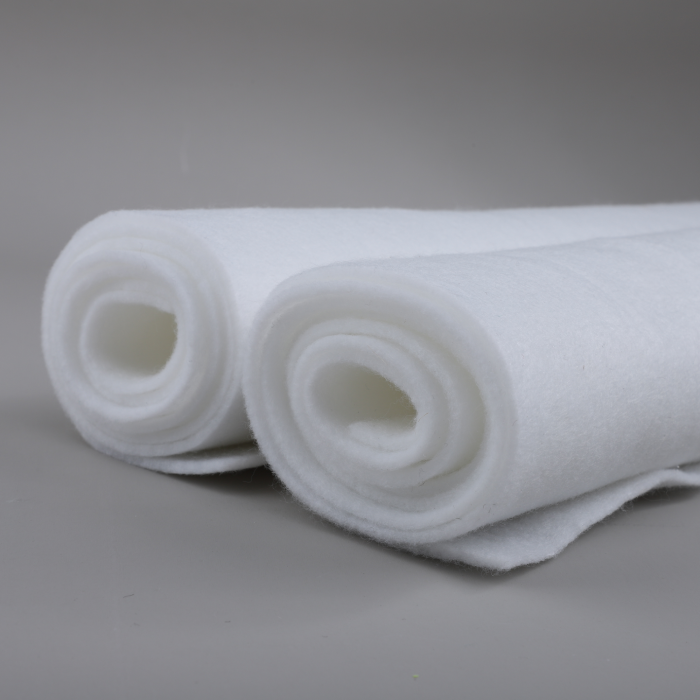
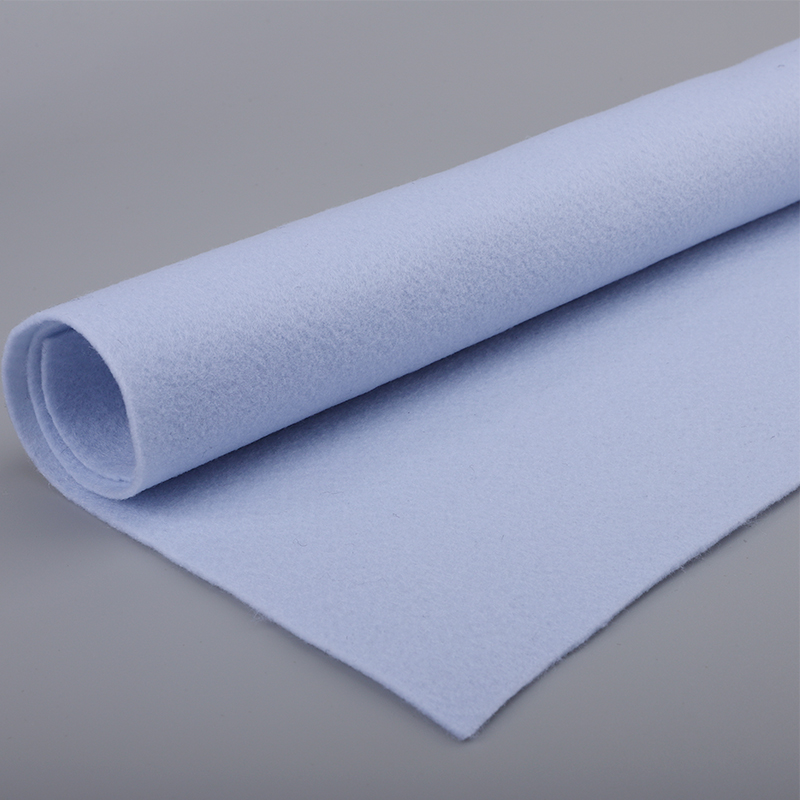
It can be manufactured in different thicknesses, densities, and dimensions and can be processed into acoustic panels, wall treatments, ceiling components, partitions, and internal filling structures.
For commercial buyers and distributors, this flexibility makes it easier to match the material with different project requirements.
When a project prioritizes environmental performance, lightweight construction, easy processing, and long-term use, polyester acoustic felt can be a practical material choice.
What Should Buyers Consider When Selecting Reusable Acoustic Felt?
Buyers should not evaluate acoustic felt based only on price or GSM.
The first consideration should be the actual acoustic objective of the project.
Next, determine where the material will be installed, such as walls, ceilings, partitions, acoustic panels, or internal filling structures.
Then evaluate the required thickness, GSM, density, fiber structure, sound absorption performance, dimensions, and flame-retardant requirements.
For projects with strong sustainability requirements, buyers should also ask about the material composition, manufacturing process, expected service life, and possibilities for reuse.
For large-volume projects, supplier stability is equally important.
A reliable manufacturer should be able to provide consistent material specifications across different production batches and support customized requirements.
Why Work With an Experienced Nonwoven Manufacturer?
The performance of polyester acoustic felt is closely related to fiber selection, fiber structure, GSM, thickness, density, and manufacturing technology.
For long-term commercial projects, working directly with an experienced nonwoven manufacturer China can make product customization and quality control more efficient.
Kenjoy has more than 20 years of nonwoven manufacturing experience and operates an approximately 26,000 m² production facility with 15 automated needle punching production lines.
As an experienced needle punched nonwoven felt manufacturer, nonwoven felt manufacturer, and nonwoven products manufacturer, we provide customized nonwoven solutions for customers in different industries.
Our product range includes polyester acoustic felt, Soundproofing felt, needle punched felt, floor protection felt, painter felt, anti-condensation felt, and thermal bonded wadding.
We support OEM nonwoven manufacturer, ODM nonwoven manufacturer, and custom nonwoven products services for international brands, distributors, contractors, and industrial customers.
From material selection and sample development to mass production, our focus is on providing stable and practical nonwoven material solutions.
Conclusion: Reusable Acoustic Felt Can Add Long-Term Value to Sustainable Projects
As sustainable construction continues to influence material selection, buyers are looking beyond initial price and short-term performance.
Polyester acoustic felt combines sound absorption, lightweight construction, processing flexibility, and good structural stability. When properly designed, installed, and maintained, some applications can allow the material to be removed and reused, helping extend its useful lifecycle.
For projects that need both acoustic performance and better resource utilization, reusable polyester acoustic felt can be a valuable option.
The most suitable material should be selected according to the actual acoustic requirements, installation structure, thickness, density, flame-retardant requirements, and expected service life.
If you are looking for a reliable polyester acoustic felt manufacturer, needle punched felt manufacturer, nonwoven felt manufacturer China, or custom nonwoven manufacturer, Kenjoy can provide customized acoustic nonwoven solutions according to your project requirements.