
How Floor Protection Color Affects Contamination Inspection on Job Sites
The color of floor protection material is more than a visual choice. On construction and renovation sites, it can affect how easily workers identify certain types of dust, stains, paint marks and other visible contamination during routine inspections.
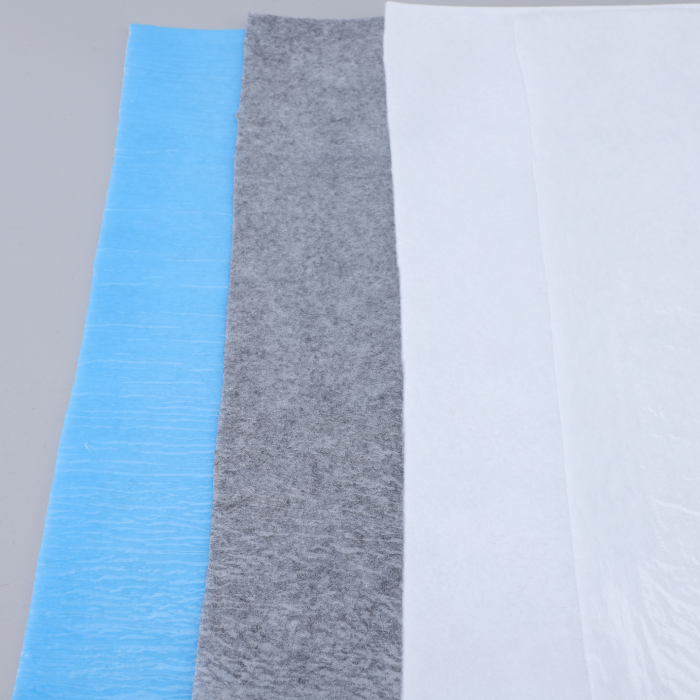
White, grey and blue floor protection materials serve different purposes. A lighter surface may make some dark marks easier to notice, while a distinct color can help workers identify protected areas. However, no single color makes every type of contamination visible. The result depends on the contaminant, lighting conditions and surface structure of the material.
For contractors, cleaning service providers, engineering procurement teams and floor protection distributors, understanding these differences helps when selecting floor protection fleece color for specific jobsite conditions.
Why Is the Color of Floor Protection Material More Than an Appearance Choice?
On a busy construction site, floor protection needs to do more than cover the floor. Workers also need to identify the protected area, check the material's condition and notice visible contamination before it causes further problems.
Color can support these inspection tasks in two main ways.
First, it affects the contrast between the protective material and the contaminants on its surface. Certain marks may be easier to identify when their color contrasts with the material.
Second, color can help workers distinguish protected areas from uncovered floors or other working zones. This is particularly useful when several trades are working in the same building.
However, color should not be treated as an indicator of protection performance. Whether a material is waterproof, absorbent, breathable, slip-resistant or suitable for a particular floor depends on its material structure and construction, not simply its color.
When selecting floor protection fleece, buyers should therefore consider both the inspection purpose and the actual performance requirements of the jobsite.
Why Can White Floor Protection Fleece Make Some Contamination Marks Easier to See?
A white surface can provide a useful visual contrast against certain dark contaminants. For example, dark dust, soil, black marks and some paint stains may be easier to notice on white floor protection fleece than on darker materials.
This can help workers identify visible contamination during routine checks, especially in areas where the protective covering needs to be monitored frequently.
However, white does not make every type of contamination easier to see. White plaster powder, light-colored dust and other pale materials may blend into a white surface. Visibility can also change under different lighting conditions or when the material has a textured or uneven surface.
White protection material may be a practical option when workers need to observe certain dark marks, but it should not be described as universally better for contamination inspection.
For projects involving natural stone, polished flooring or other light-colored surfaces, buyers should also evaluate whether the material could cause staining or color transfer. The compatibility of the protective material with the actual floor surface should be checked before large-scale use.
For example, white breathable floor protection fleece can be considered when both a light-colored covering and moisture-vapor permeability are required. The actual suitability still depends on the flooring type, installation conditions and the requirements of the flooring manufacturer.
What Are the Differences Between Grey and Blue Floor Protection Materials During Site Inspection?
Grey and blue floor protection materials can serve different visual purposes on construction sites. Their suitability depends on whether the priority is identifying visible contamination or distinguishing protected working areas.
Grey floor protection material offers a neutral appearance. It may be suitable for general renovation environments where a less prominent covering is preferred. However, certain dark dust or marks may be less noticeable against a grey surface, depending on their color and the lighting conditions.
Some grey products use a PE film surface. This surface structure can create a liquid barrier and may allow certain marks to be wiped away. The cleanability comes from the PE film layer, not from the grey color itself. Buyers should evaluate the actual surface construction rather than assuming that all grey protection materials have the same cleaning performance.
Blue floor protection material can make covered areas easier to identify in busy working environments. A clearly visible blue covering helps workers distinguish protected zones from uncovered floor areas and may support site organization when different sections have different protection requirements.
However, blue does not automatically make every type of dust, stain or liquid contamination easier to detect.
A blue heavy-duty floor protection runner may be considered when clear identification of protected walkways or working areas is important. Its suitability for a particular project should still be assessed according to its weight, structure, backing and required protection performance.
The main differences can be summarized as follows:
Color | Potential inspection advantage | Important limitation |
White | Some dark dust, marks and stains may be easier to identify | Pale dust and white plaster may blend into the surface |
Grey | Offers a neutral appearance for general renovation environments | Some dark contaminants may have limited contrast |
Blue | Helps workers identify protected areas and distinguish them from uncovered floors | Does not guarantee better visibility of every contaminant |
Color selection should be based on the actual site environment rather than appearance alone.
Why Can't Color Replace Inspection for Damage and Liquid Penetration?
Even when a protective covering makes visible contamination easier to identify, its color cannot confirm whether the material is still providing adequate protection.
A surface may look clean while liquid has already passed through the material or entered through an open seam. Similarly, a covering may appear intact from above while its backing has become damaged, detached or contaminated underneath.
For this reason, construction floor protection inspection should include more than checking the visible surface.
Workers should pay attention to several areas during routine inspections:
Surface condition: Check for visible paint marks, dust accumulation, stains, cuts and other signs of damage.
Backing condition: Inspect the underside when necessary to identify moisture, liquid penetration, contamination or damage that cannot be seen from above.
Seams and edges: Check whether overlapping sections have separated, edges have lifted or gaps have exposed the floor.
Floor condition underneath: Where necessary, lift the protective material to check whether moisture, debris or other contaminants have reached the original floor.
Material movement and attachment: Check whether the covering has shifted, curled or become detached from the floor, especially in high-traffic areas.
The inspection frequency should also reflect the construction stage, the type of work being carried out and the level of contamination risk.
Color can help workers notice certain visible changes, but it cannot replace checking the material's physical condition and the floor underneath.
How Should Buyers Choose Floor Protection Color for Paint, Dust and Stone Powder?
The most suitable floor protection fleece color depends on the contaminants expected on the jobsite and the purpose of inspection.
For projects involving dark paint marks, soil or dark dust, a white surface may provide better contrast for some visible contaminants. However, buyers should consider whether the same site also generates large amounts of white plaster powder or other pale dust.
For renovation work involving light-colored powder, a white surface may make inspection more difficult because the contaminants can blend into the material. In this situation, buyers should compare different colors under the actual site lighting conditions rather than relying on color names alone.
For projects involving stone cutting or polishing, the type of stone and the color of the resulting powder should be considered. Buyers should also check whether the protective material is compatible with the floor surface, particularly when working with natural stone or polished flooring.
For multi-zone construction projects, blue material may help workers identify protected walkways or distinguish different working areas. This is a site-organization benefit rather than a guarantee of better contamination visibility.
Before placing a bulk order, buyers should consider the following factors:
Jobsite condition | Color consideration | What to check |
Dark dust, soil or dark paint marks | White may provide better contrast | Whether the contaminants are clearly visible under site lighting |
White plaster powder or pale dust | Compare white with other colors | Whether the powder blends into the protective surface |
Stone cutting and polishing | Select according to the stone and powder color | Surface compatibility and possible color transfer |
Multiple working zones | Blue may help identify protected areas | Whether workers can distinguish covered and uncovered sections |
General renovation work | Grey may offer a neutral appearance | Whether the color provides sufficient contrast for routine checks |
The final choice should balance visual identification, floor compatibility and the actual performance requirements of the protective material.
How Can Buyers Check for Staining, Color Transfer and Surface Contamination?
Color selection should be evaluated through samples before bulk purchasing, especially when the material will be used on natural stone, polished flooring or other surfaces that may be sensitive to staining.
A sample evaluation should cover more than the appearance of the protective material itself.
First, check the original color and surface consistency of the sample. Buyers should confirm whether the color is suitable for the intended working environment and whether different samples show noticeable variations.
Next, evaluate the material under the conditions in which it will be used. Dry contact, moisture exposure and other relevant site conditions may affect how the material interacts with the floor. The test conditions should reflect the actual application rather than assume that one test applies to every flooring type.
Buyers should also observe whether visible contamination can be identified on the surface and whether the material can be cleaned using the intended method. For products with a PE film surface, evaluate the film layer's actual cleaning performance separately from the color of the material.
Finally, inspect the underside of the sample and the floor surface after testing. Check for moisture, transferred color, staining, residue or other visible changes.
For a more reliable comparison, buyers can evaluate white, grey and blue samples under similar lighting and site conditions. This makes it easier to understand how each color performs in the intended working environment.
HuiZhou JinHaoCheng Nonwovens Co., Ltd.provides customized nonwoven floor protection materials in different colors and structures. Buyers can discuss the required color, material construction, weight and dimensions according to their project conditions.
How Should Buyers Include Color and Inspection Requirements in Product Specifications?
When purchasing floor protection materials, specifying only a color is not enough. Buyers should explain why that color is required and what workers need to identify during site inspections.
A clear specification helps suppliers understand the intended application and reduces the risk of selecting a material based on appearance alone.
The purchasing requirements should cover the following information:
Specification item | Information to confirm |
Material color | White, grey, blue or another specified color |
Application area | Walkways, rooms, renovation zones, natural stone floors or other areas |
Main contaminants | Paint, dark dust, plaster powder, stone powder, moisture or other site contaminants |
Inspection purpose | Identifying visible contamination, distinguishing protected areas or both |
Surface construction | Needle-punched felt, PE film surface, breathable membrane or other required structure |
Backing requirements | Self-adhesive backing, waterproof layer or other specified construction |
Floor compatibility | Whether the material is suitable for the intended flooring type |
Color consistency | Whether the color should remain consistent between production batches |
Sample evaluation | Whether samples are required for visual comparison and floor compatibility checks |
Product specifications | GSM, thickness, width, roll length and packaging requirements |
For projects with strict inspection requirements, buyers should provide the supplier with photographs or descriptions of the actual working environment. This helps the supplier understand the expected contaminants, lighting conditions and purpose of the selected color.
A well-defined specification should connect color selection with the material's structure and intended use. This gives both the buyer and supplier a clearer basis for sample approval and bulk production.




