Wool Blend Felt vs Polyester Felt: Which Material Fits Your Product Requirements?
For overseas manufacturers, importers, wholesalers, and product brands sourcing needle punched felt from China, the real question when choosing wool blend felt vs polyester felt is usually not “Which material is absolutely better?” The more practical question is: Which material better fits my product requirements?
Wool blend needle punched felt combines wool with polyester fibers to balance the characteristics of natural fibers with mechanical performance. Polyester needle punched felt focuses more on strength, abrasion resistance, dimensional stability, and production consistency. Therefore, material selection should start with the actual requirements of the final product rather than simply comparing material names or unit prices.
What Is the Main Difference Between Wool Blend Felt and Polyester Felt?
The main difference lies in their fiber composition and the performance priorities created by that composition.
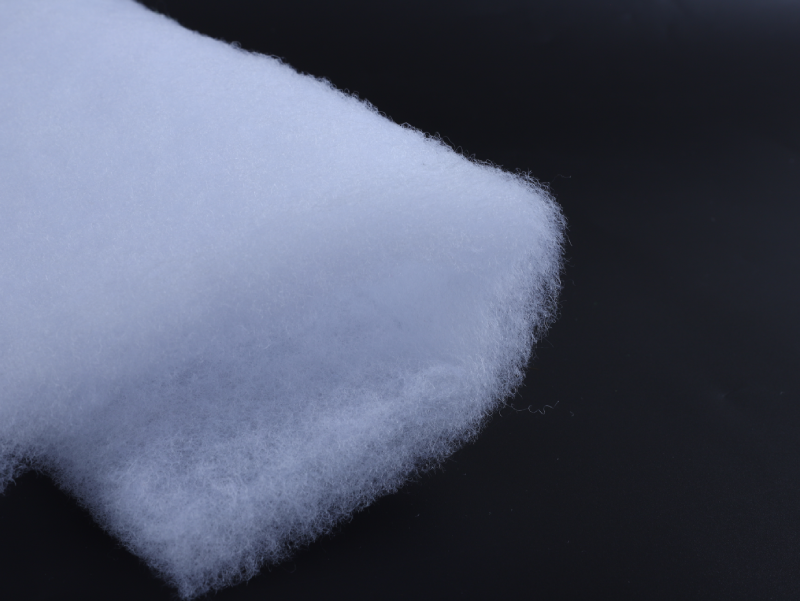
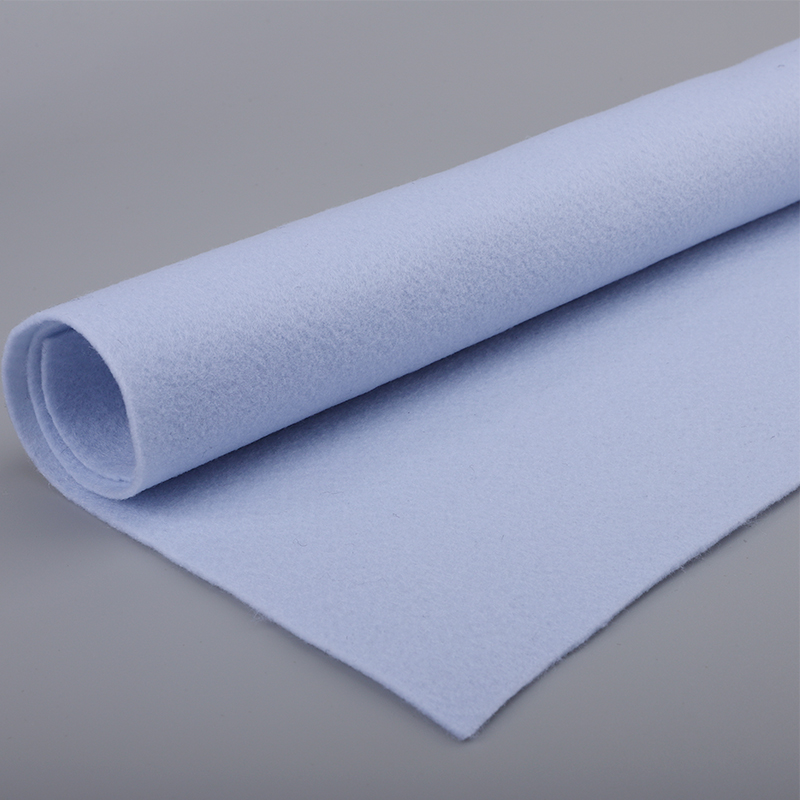
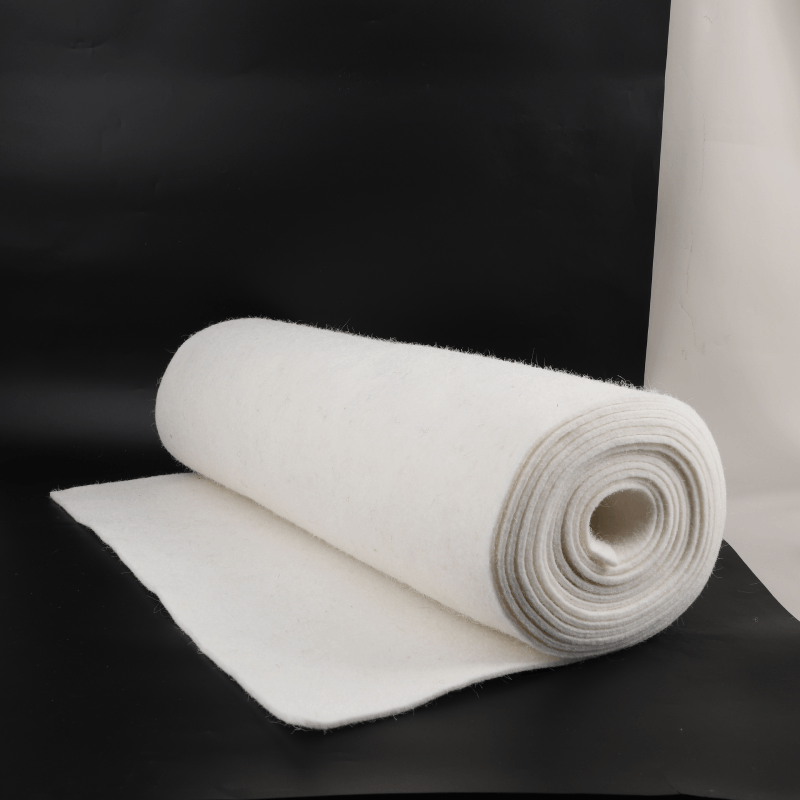
Wool blend felt combines wool with polyester fibers. This structure can provide characteristics associated with wool, such as warmth, softness, a natural hand feel, and resilience, while polyester contributes mechanical stability and durability.
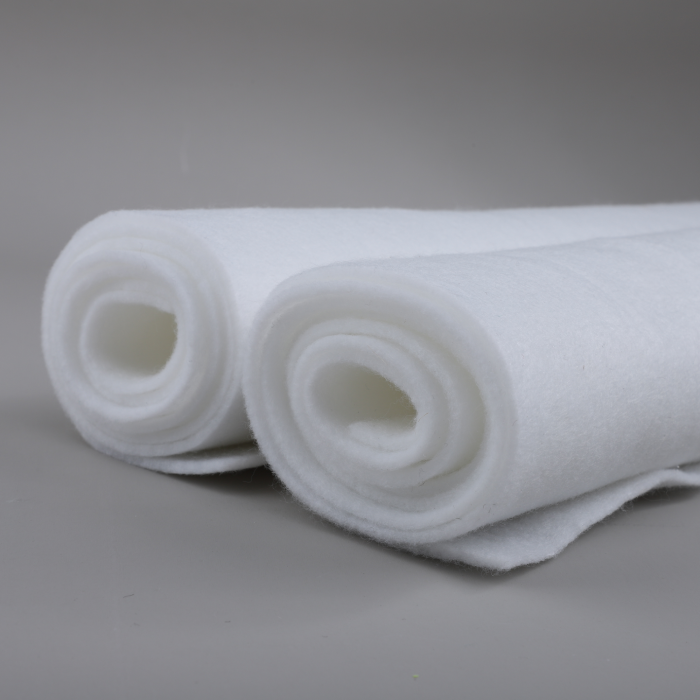
Polyester felt is made primarily from polyester fibers. It is often selected when buyers place greater importance on abrasion resistance, mechanical stability, consistent production, and cost control.
Neither material is universally better. The appropriate choice depends on what the finished product needs to achieve.
When Does Wool Blend Felt Make More Sense?
Warmth and Thermal Comfort
Wool naturally provides warmth and thermal comfort. When these characteristics are important to the finished product, a wool blend can be considered as an alternative to a fully synthetic felt.
Softness and Natural Hand Feel
Wool can provide a softer and more natural hand feel. For products where tactile characteristics are part of the product requirements, wool blend felt may be more suitable.
Resilience and Comfort
Wool fibers can contribute to resilience and comfort. This can be useful when the material needs to provide a certain level of cushioning or comfortable contact within the finished product.
Natural Fiber Content
If the product requires a certain proportion of natural fiber, wool blend felt provides a way to combine wool with polyester instead of using a fully synthetic polyester felt.
When Does Polyester Felt Make More Sense?
Abrasion Resistance
Polyester fibers are known for their good abrasion resistance. When the finished product is exposed to repeated friction or wear, polyester felt can be a practical material choice.
Mechanical Stability
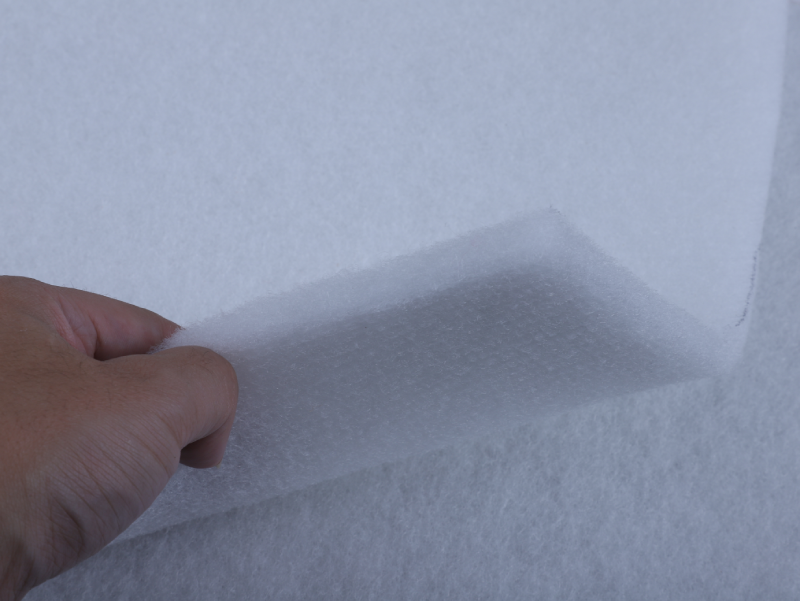
Polyester felt can provide good mechanical stability for applications where maintaining the material structure during production and use is important.
Consistent Large-Volume Production
For buyers purchasing materials in large quantities, consistent production is an important consideration. Polyester felt can be suitable when stable material characteristics and repeatable large-volume production are required.
Cost Control
When controlling material cost is an important part of the product decision, polyester felt may provide a more practical option depending on the required performance and product structure.
When Is a Wool-Polyester Blend More Useful?
A wool-polyester blend can be useful when the product requires a balance between the characteristics of wool and the mechanical properties of polyester.
Instead of choosing between natural fiber characteristics and synthetic fiber performance, a blend allows buyers to combine both within one material structure.
This can be considered when the finished product requires characteristics such as warmth, softness, resilience, natural fiber content, mechanical stability, or abrasion resistance rather than relying on only one material characteristic.
What Should Buyers Compare Before Choosing the Material?
Before choosing between wool blend felt and polyester felt, buyers should compare the following requirements.
Final Product Function
First, identify what the felt needs to do in the final product. The material should be selected according to its actual function rather than simply based on whether it contains wool or polyester.
Working Environment
Consider where and how the finished product will be used. Friction, compression, temperature, moisture, and other working conditions can affect which material structure is more appropriate.
Natural Fiber Requirement
If natural fiber content is an important product requirement, buyers should determine whether wool needs to be included and what role it is expected to play in the final material.
Required Material Feel
If softness, warmth, comfort, or a natural hand feel matters to the finished product, these requirements should be considered before selecting the fiber structure.
Production Requirements
The material also needs to be compatible with the customer's production process. Cutting, laminating, sewing, bonding, molding, or other processing requirements can affect the practical choice of felt.
Target Cost
Finally, consider the target material cost together with the required performance. A material should not be selected only because its unit price is lower if it cannot meet the requirements of the final product.
What Should You Confirm Before Sampling?
Before requesting samples, buyers should provide the supplier with several basic details:
Final application: What product will the felt be used in?
Main function: What does the felt need to provide in the finished product?
Working environment: Will it be exposed to friction, compression, moisture, temperature, or other conditions?
Natural wool content: Is there a specific requirement for the wool percentage?
Processing requirements: How will the material be cut, bonded, laminated, sewn, or otherwise processed?
Once these requirements are clear, specifications such as GSM, thickness, and density should be determined according to the application rather than selected independently.
How Does Jinhaocheng Support Wool Blend and Polyester Felt Production?
HuiZhou JinHaoCheng Nonwoven Co., Ltd. has more than 20 years of experience in nonwoven manufacturing and provides both wool blend needle punched felt and polyester needle punched felt.
With automated needle punching production and customized nonwoven manufacturing capabilities, Jinhaocheng can support buyers from sample development through bulk production.
For overseas manufacturers, importers, and wholesalers, the material can be developed according to the actual requirements of the finished product rather than using one standard felt structure for every application.
Conclusion
There is no universal winner between wool blend felt and polyester felt.
Wool blend felt can be considered when warmth, softness, natural hand feel, resilience, or natural fiber content is important.
Polyester felt can be more suitable when abrasion resistance, mechanical stability, consistent production, or cost control is a higher priority.
The most appropriate material should therefore be selected according to the characteristics and requirements of the final product.