What Is Nonwoven Fabric? A Buyer’s Guide to Types, Uses and Applications
If you are sourcing materials for floor protection, construction, automotive, filtration, packaging or industrial applications, you may have encountered the term nonwoven fabric many times.
But what exactly is nonwoven fabric? How is it different from traditional woven or knitted materials? More importantly, which type of nonwoven fabric is suitable for your application?
For importers, wholesalers and distributors, choosing the wrong material can lead to problems such as insufficient strength, poor surface protection, inconsistent thickness or unnecessary material costs. Understanding the basic structure and manufacturing methods of nonwoven fabric can therefore make purchasing decisions much easier.
As an experienced nonwoven felt manufacturer China, Jinhaocheng provides a wide range of needle punched nonwoven materials for different industrial and commercial applications, including floor protection rolls, painter felt and customized nonwoven solutions.
What Is Nonwoven Fabric?
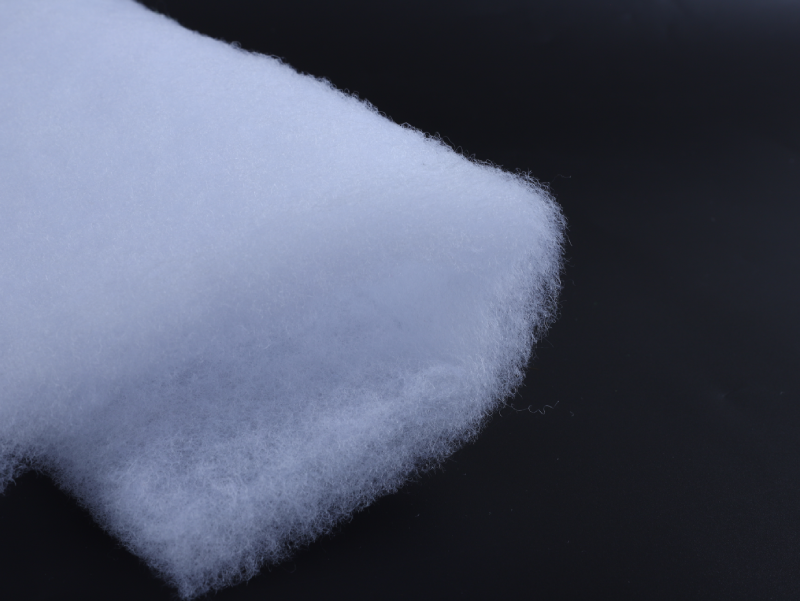
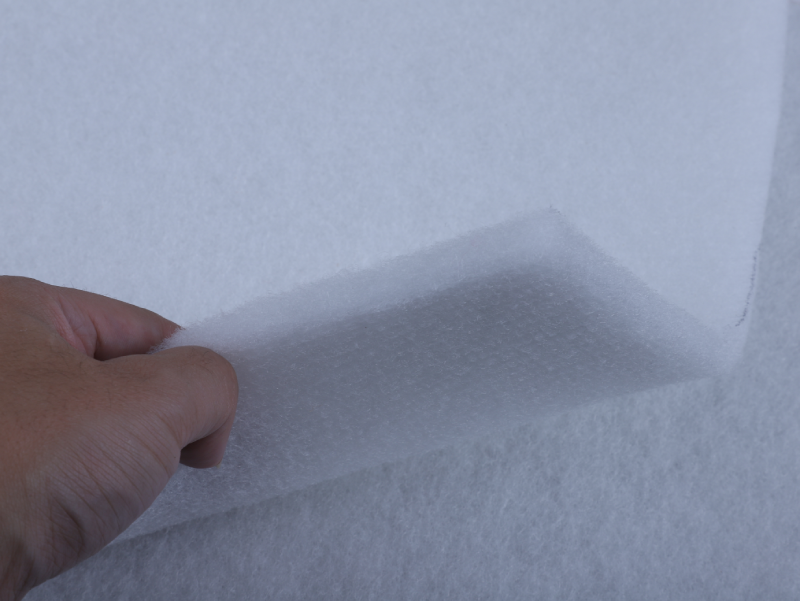
Nonwoven fabric is a sheet, web or mat made by bonding or mechanically entangling fibers without traditional weaving or knitting.
The fibers can be made from different raw materials, including polyester, polypropylene, recycled fibers and other synthetic or natural fibers, depending on the required performance.
Unlike woven fabric, which is produced by interlacing yarns, nonwoven materials are generally manufactured by forming a fiber web and then using mechanical, thermal, chemical or other bonding methods to create a stable structure.
This manufacturing principle gives nonwoven fabric considerable flexibility in terms of thickness, density, weight, texture, strength and functional performance.
For buyers, this means that nonwoven fabric should not be considered as a single standardized material. Different manufacturing processes and fiber combinations can produce products with very different characteristics.
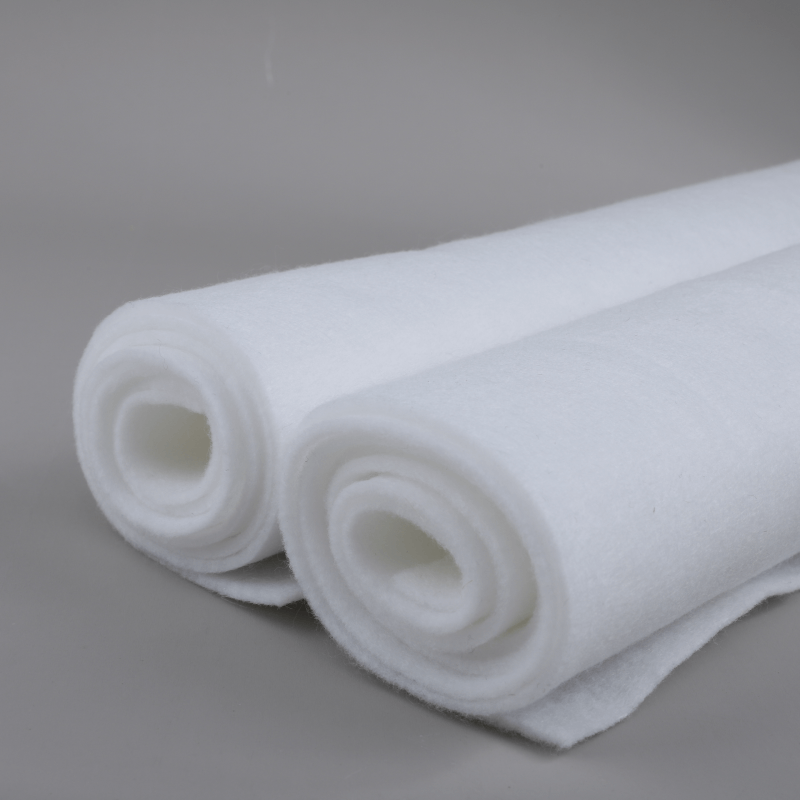
Why Is Nonwoven Fabric Widely Used?
The popularity of nonwoven materials comes from their ability to combine practical performance with flexible production and customization.
Depending on the material and manufacturing process, nonwoven fabric can offer:
Good strength and durability for demanding applications
Abrasion resistance for products exposed to repeated friction
Breathability and moisture absorption for applications requiring air or liquid movement
Soft surface protection for delicate floors, surfaces and products
Flexible thickness and GSM options for different performance requirements
Easy cutting and converting into rolls, sheets, pads or other shapes
Customizable properties according to application requirements
For professional buyers, the advantage is not simply the material itself. The key is being able to source a specification that matches the actual application.
What Are the Main Types of Nonwoven Fabric?
Nonwoven fabric can be classified according to its manufacturing process. Different processes create different fiber structures and performance characteristics.
Needle Punched Nonwoven Fabric
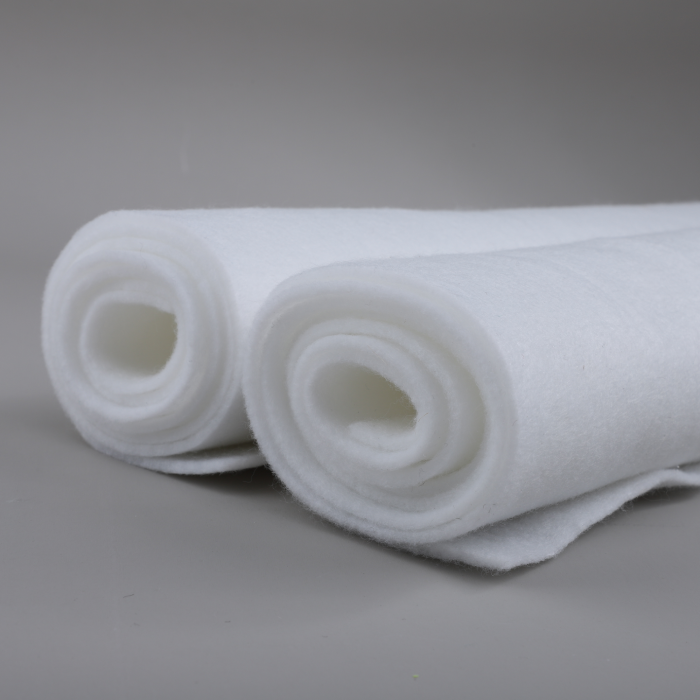
Needle punched nonwoven fabric is produced by mechanically entangling fibers with specially designed needles.
During production, needles repeatedly penetrate the fiber web and pull or interlock fibers through different layers. This creates a stable three-dimensional fiber structure without relying primarily on weaving.
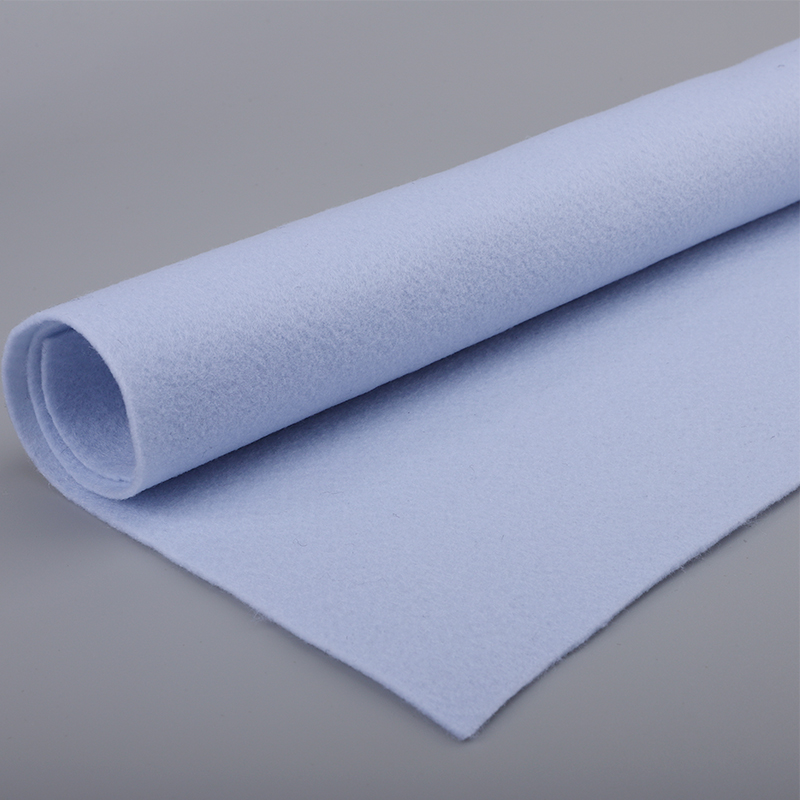
Needle punched felt is particularly suitable for applications where strength, durability, cushioning, surface protection and flexibility are important.
Common applications include:
Floor protection rolls
Painter cover fleece
Automotive interior materials
Construction materials
Industrial felt
Filtration and insulation materials
For applications requiring customized weight, thickness, width or color, working with a custom nonwoven felt manufacturer can provide greater control over the final specification.
Spunbond Nonwoven Fabric
Spunbond nonwoven fabric is produced by extruding polymer materials into continuous filaments and forming them into a web before bonding.
It is commonly used in packaging, agriculture, hygiene products, medical products and disposable applications.
Its continuous filament structure can provide good tensile strength while allowing manufacturers to produce lightweight materials efficiently.
Meltblown Nonwoven Fabric
Meltblown nonwoven fabric is manufactured by extruding polymer through fine openings and using high-speed air to form very fine fibers.
Because of its fine fiber structure, meltblown material is commonly associated with filtration and specialized functional applications.
Its performance depends strongly on fiber diameter, basis weight, processing conditions and the intended filtration requirements.
Spunlace Nonwoven Fabric
Spunlace, also known as hydroentangled nonwoven fabric, uses high-pressure water jets to entangle fibers.
This process can create a soft and flexible surface, making spunlace materials suitable for products where softness and handling characteristics are important.
Typical applications include wipes, personal care products, medical products and other disposable or absorbent materials.
Other Nonwoven Manufacturing Methods
Depending on the application, nonwoven fabrics can also be produced through thermal bonding, wet-laid processes, air-laid processes, stitch bonding and other specialized techniques.
The appropriate process depends on factors such as:
Required strength
Target GSM
Thickness
Surface texture
Absorbency
Temperature resistance
Flame-retardant requirements
End-use environment
Therefore, professional material selection should begin with the application rather than simply choosing the lowest-cost nonwoven fabric.
Where Is Nonwoven Fabric Used?
Nonwoven materials are found in a wide range of industries because their structure can be engineered for different performance requirements.
Common application areas include:
Construction and renovation: floor protection, insulation, protective coverings and building materials
Painting and decorating: painter felt, cover fleece and surface protection rolls
Automotive: interior components, sound absorption, insulation and backing materials
Industrial manufacturing: filtration, cushioning, polishing and protective materials
Home and furniture: mattress components, furniture backing and protective materials
Agriculture and horticulture: crop protection and growing applications
Medical and hygiene: disposable products, protective materials and absorbent applications
Packaging: protective layers, cushioning and specialty packaging components
Among these applications, needle punched nonwoven felt is especially useful when buyers require a combination of mechanical strength, surface protection and flexible thickness options.
How Should Buyers Choose the Right Nonwoven Fabric?
For wholesalers, distributors and importers, material selection should be based on the actual working conditions rather than the product name alone.
Before placing an order, consider the following factors.
1. Application
Determine whether the material will be used for floor protection, painting, automotive, construction, filtration or another purpose.
2. GSM and Thickness
The required weight and thickness will directly influence durability, coverage, cushioning and handling.
3. Fiber Composition
Different fibers provide different characteristics. Polyester, polypropylene, recycled fibers and blended materials can be selected according to performance and cost requirements.
4. Surface Performance
For floor and surface protection, the material should provide sufficient cushioning and protection without unnecessarily increasing the product cost.
5. Roll Size and Packaging
For distributors and wholesalers, roll width, length, core size, packaging and loading efficiency can have a significant impact on logistics costs.
6. Customization Capability
If you require a specific GSM, width, thickness, color, backing or packaging specification, it is more efficient to work directly with a custom nonwoven felt manufacturer or OEM supplier.
Why Work With an Experienced Nonwoven Felt Manufacturer?
For large-volume buyers, supplier capability is just as important as product specifications.
An experienced needle punched felt manufacturer should be able to provide consistent production, stable quality and flexible customization rather than offering only standard products.
Jinhaocheng has more than 20 years of manufacturing experience and operates a 26,000㎡ factory with 15 automated production lines and an annual production capacity of 10,000 tons.
As a needle punched felt factory in China, we provide materials for customers across different industries and support OEM, ODM and customized production according to application requirements.
Our product range includes needle punched nonwoven felt, floor protection rolls, painter felt and customized industrial felt solutions.
For buyers who need both standard products and customized specifications, direct cooperation with an OEM needle punched felt factory can make it easier to coordinate material selection, production requirements, packaging and long-term supply.
Nonwoven Fabric Manufacturer for Customized Applications
There is no single nonwoven fabric that is suitable for every application.
The right material depends on the required fiber composition, manufacturing process, GSM, thickness, strength, surface performance and end use.
If your business is sourcing materials for floor protection, painting, construction, automotive or industrial applications, choosing an experienced needle punched nonwoven felt manufacturer can help you achieve more consistent quality and better control over specifications.
Jinhaocheng combines manufacturing experience, production capacity and customization capabilities to provide OEM and ODM nonwoven solutions for global buyers, wholesalers and distributors.
Contact Jinhaocheng for customized needle punched nonwoven felt and floor protection solutions.