Stop Condensation & Roof Drips: Ultimate Guide to Self-Adhesive Anti-Condensation Solutions for Metal Buildings
Are you tired of dealing with persistent condensation, roof sweating, and water dripping in your steel building, warehouse, garage, or metal shed? You’re not alone. Moisture control is a critical challenge for metal structures, especially during winter months. Fortunately, modern solutions like Self-Adhesive Anti-Condensation Roof Liners, Condensation Control Mats, and Foil-Backed Insulation offer a permanent, efficient fix. This comprehensive guide explores the best products to stop condensation, prevent water dripping, and control moisture effectively.
Understanding the Problem: Why Metal Roofs Sweat and Drip
Condensation occurs when warm, moist air inside a building meets a cold metal surface, such as a roof or wall panel. The temperature difference causes moisture in the air to condense into water droplets—a phenomenon known as "roof sweating." Over time, this leads to:
Annoying water drips onto equipment, inventory, or vehicles.
Mold, mildew, and corrosion that compromise structural integrity.
Reduced effectiveness of insulation.
Unhealthy air quality and potential damage to stored items.
Traditional insulation alone often fails to address this issue because it doesn’t block vapor transmission. That’s where specialized anti-condensation barriers come in.
The Solution: High-Performance Self-Adhesive Condensation Control Systems
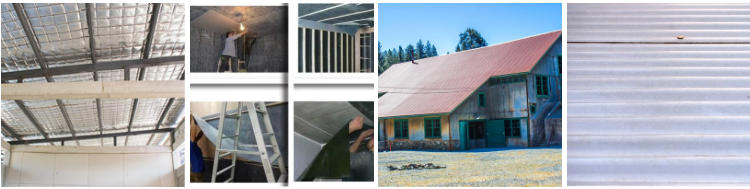
1. Self-Adhesive Anti-Condensation Roof Liner & Mat
A peel-and-stick roof liner is designed specifically for metal buildings. These products feature a robust, polyester or fiberglass reinforced foil vapor barrier with a strong self-adhesive backing. They are easy to install directly onto purlins or existing roof panels, creating a continuous seal that blocks vapor transmission.
Key Benefits:
Peel-and-stick application for quick, hassle-free installation.
Reinforced foil provides durability and superior vapor blockage.
Acts as both a vapor barrier and thermal insulation cover felt.
Ideal for warehouses, agricultural buildings, and commercial garages.
2. Foil-Backed Bubble Insulation for Condensation Control
Foil bubble insulation combines multiple layers of radiant barrier foil with air-filled bubbles. This design not only blocks vapor but also adds thermal resistance, helping to stabilize indoor temperatures and reduce the conditions that cause condensation.
Key Benefits:
Lightweight and flexible, conforming easily to various roof shapes.
Self-adhesive backing available for seamless installation.
Enhances energy efficiency while stopping condensation.
Excellent for metal sheds and residential garages.
3. Anti-Condensation Felt & Liner
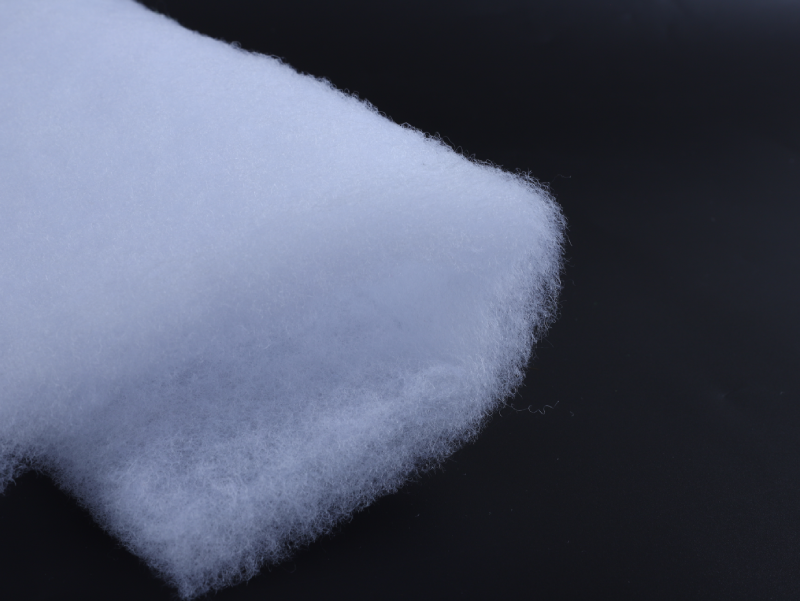
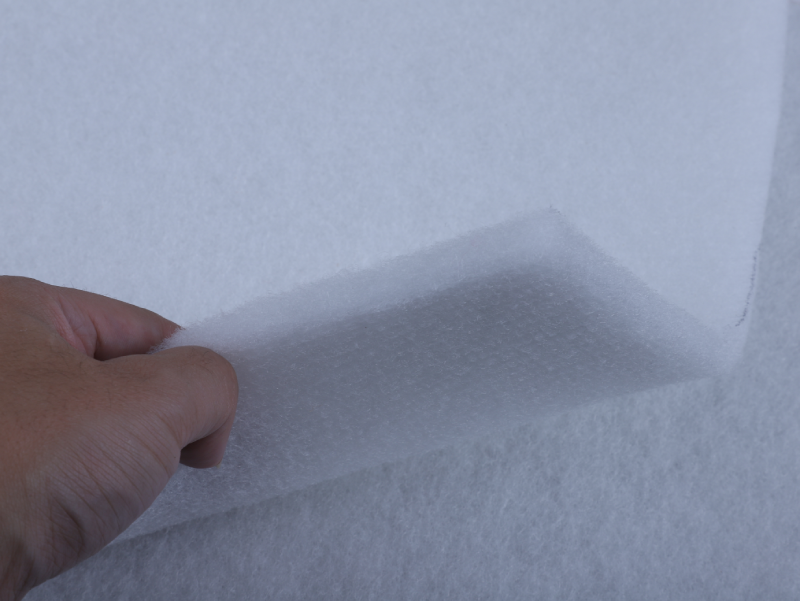
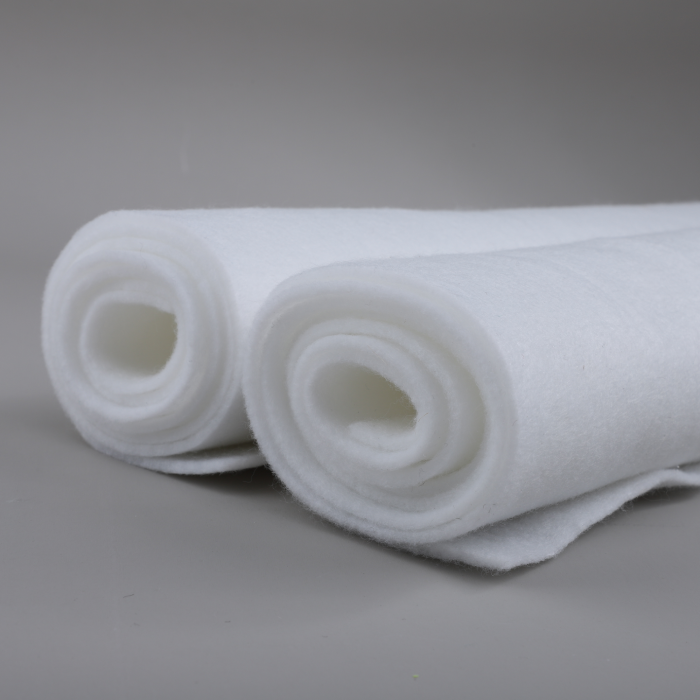
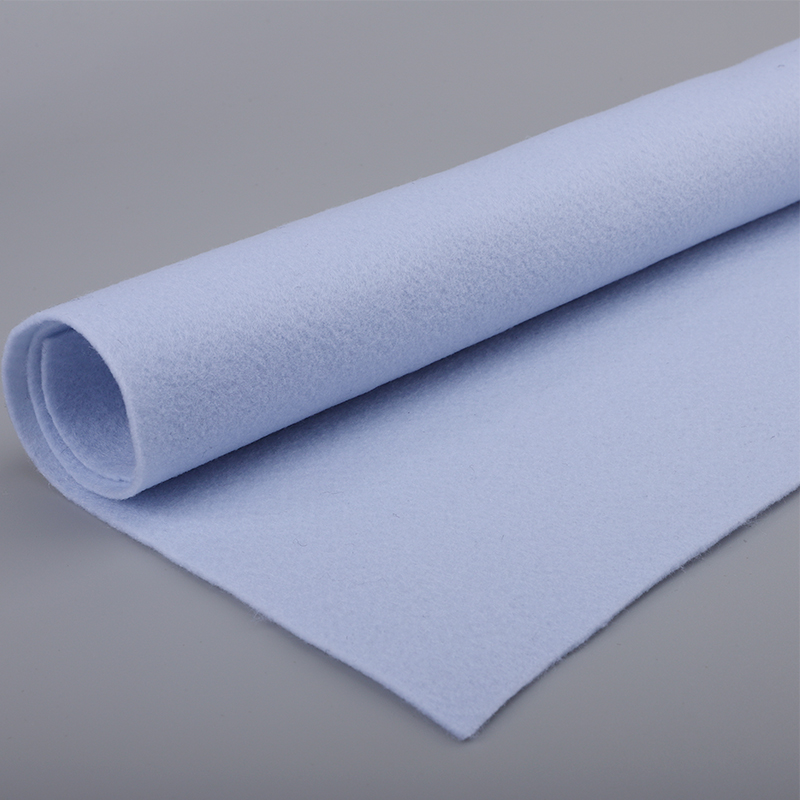
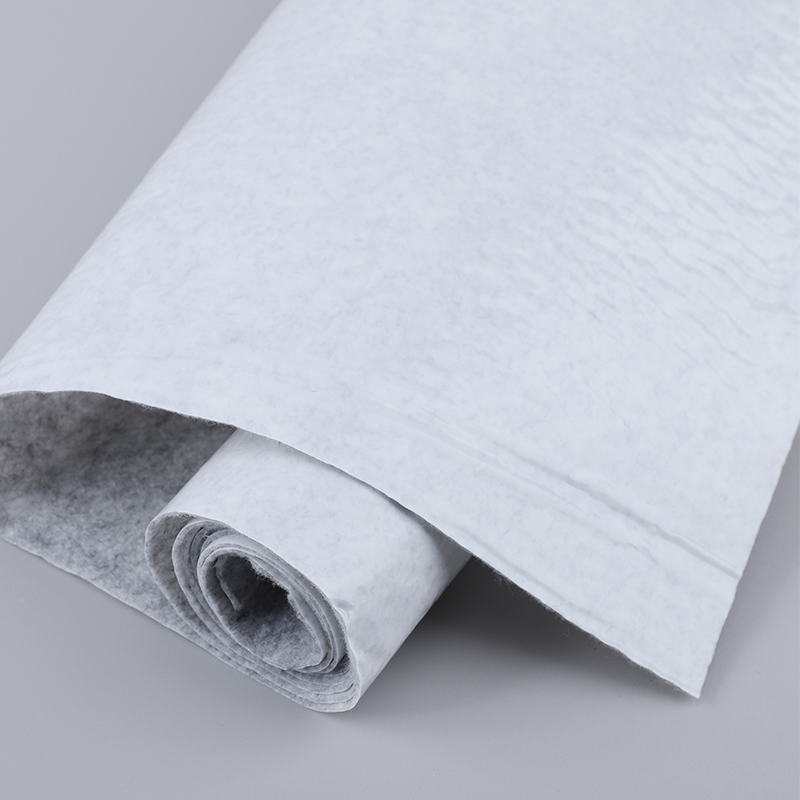
Anti-condensation felt (sometimes called vapor barrier fleece or condensation control felt) is a heavier mat-style material. It typically consists of a dense, non-woven fabric layer bonded to a vapor-retardant film. The felt absorbs minimal moisture and prevents droplet formation.
Key Benefits:
Thick, padded design helps absorb sound and adds slight thermal value.
Self-adhesive versions simplify installation on steel roofs.
Perfect for preventing drips from metal roofs in winter.
Often used as a roof drip stop liner in industrial settings.
Why Choose a Self-Adhesive, Peel-and-Stick Design?
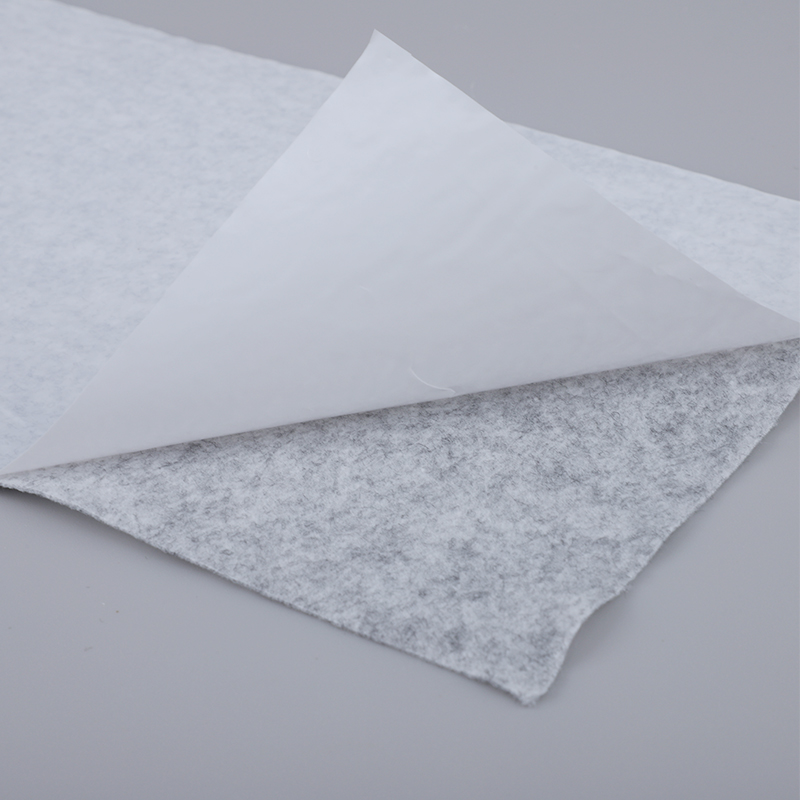
Time-Saving Installation: No need for additional adhesives or fasteners that can puncture the barrier. Just peel off the backing and press into place.
Superior Seal: The adhesive creates a continuous, airtight bond that staples or tapes cannot match, eliminating gaps where vapor can penetrate.
Versatility: Can be applied to roofs, walls, and even ceilings of metal structures.
Cost-Effective: Reduces labor costs and ensures long-term performance with minimal maintenance.
Applications: Where to Use Anti-Condensation Products
Metal Roofs for Warehouses & Factories: Protect inventory and machinery from water dripping.
Steel Agricultural Buildings: Safeguard livestock, feed, and equipment from moisture damage.
Commercial Garages & Auto Shops: Keep tools and vehicles dry, and prevent slippery floors.
Residential Metal Sheds & Workshops: Preserve stored items and create a comfortable workspace.
Recreational Facilities & Aviation Hangars: Maintain safe, dry conditions in large-span structures.
Installation Tips for Maximum Effectiveness
Surface Preparation: Ensure the metal surface is clean, dry, and free of dust or oil.
Temperature: Install in moderate conditions (as per manufacturer’s guidelines) to ensure adhesive bonds properly.
Overlap Seams: Overlap seams by at least 2–4 inches and seal with approved tape for a continuous barrier.
Integrate with Insulation: For best results, combine with additional thermal insulation to reduce temperature differentials.
Professional Advice: For large projects, consult a specialist to ensure compliance with local building codes.
Conclusion: Invest in Long-Term Protection
Condensation doesn’t have to be an ongoing headache. By investing in a high-quality self-adhesive condensation control mat, anti-drip insulation for metal sheds, or reinforced foil vapor barrier, you can permanently solve moisture problems, protect your asset’s value, and improve interior comfort.
Explore our top-rated products today—from heavy-duty condensation control felts for steel buildings to easy DIY peel-and-stick roof liners for garages—and say goodbye to roof sweating forever!