
Which Furniture Components Are Suitable for Recycled PET Felt?
For furniture manufacturers, when sourcing recycled PET furniture felt, the real question is not simply whether recycled PET felt is an eco-friendly material, but where exactly it can be used in a piece of furniture.
The same recycled PET felt may be used as a furniture surface protection layer, cabinet lining, drawer liner, separator, or packaging protection material, but each application may have different requirements for flexibility, support, surface feel, and processing. Therefore, when developing furniture products, manufacturers should first consider what function the material needs to perform in the furniture rather than simply purchasing a standard felt specification.
For overseas furniture brands, furniture manufacturers, and material buyers, identifying the exact application position can help suppliers recommend a more suitable recycled felt material and make subsequent sample development and bulk purchasing more efficient.
Why Can’t Furniture Manufacturers Simply Say “We Need Recycled PET Felt”?
Felt applications in the furniture industry are not limited to one specific use.
A single piece of furniture may include cabinets, drawers, partitions, bottom protection, contact surfaces, interior linings, and packaging protection. Although all of these areas may potentially use felt, the function required from the material can be very different.
For example, a material that directly contacts a furniture surface may place greater emphasis on softness, surface protection, and reduced friction. A drawer or cabinet liner may focus more on covering, separation, and ease of processing, while a furniture component that needs to maintain a fixed shape may require greater structural stability.
Therefore, when sending an inquiry, furniture manufacturers should avoid simply writing:
“Recycled PET Felt for furniture”
This still does not give the supplier enough information to understand the actual application requirements.
A more effective purchasing approach is:
Final Furniture Product → Component Position → Material Function → Processing Method → Sample Validation
This allows the supplier to understand the material requirement based on the final product rather than simply responding to the keyword “furniture felt.”
Which Furniture Protection Applications Are Suitable for Furniture Protection Felt?
Furniture Protection Felt is one of the more direct application areas for recycled PET felt in furniture manufacturing.
During furniture production, transportation, installation, or use, certain surfaces may need protection from friction, impact, or direct contact. For example, tabletops, cabinet surfaces, furniture bottoms, and areas where two hard materials come into contact may require a flexible protective layer.
For these applications, furniture manufacturers generally need to consider whether the material can adequately cover the target surface, whether it has sufficient flexibility, and whether it can avoid causing noticeable damage during contact and movement.
If the felt needs to be cut into different sizes of protective pads, buyers should also consider whether the material is suitable for die cutting, laser cutting, or other converting processes. For high-volume furniture production, the ability of the material to remain stable during downstream processing is also important.
Therefore, when sourcing Furniture Protection Felt, the goal is not simply to find the “thickest” or “hardest” felt. The more important question is whether the material matches the furniture's contact conditions and manufacturing process.
Can Recycled PET Felt Be Used for Cabinets and Cabinet Components?
For Cabinet Components, recycled PET felt can be used as a lining, separation layer, protective layer, or auxiliary component in certain furniture structures.
For example, inside cabinets, felt can help reduce direct contact between hard materials and can also be used as a lining material in selected interior areas. For furniture designs that require improved internal surface feel, reduced friction, or flexible separation, this type of material may be worth considering.
However, cabinet components are not exactly the same as simple furniture protection pads.
If the material needs to be fixed inside a cabinet, buyers should also consider how it will be combined with wood, metal, plastic, or other furniture materials. Whether the material needs to be bonded, laminated, cut, folded, or mechanically fixed can directly affect the final product design.
Therefore, when sending an inquiry, furniture manufacturers should ideally provide the specific cabinet position, dimensions, fixing method, and a final product image or drawing. This allows the supplier to evaluate whether the material is suitable for sample development more accurately.
Are Drawer Liners a Practical Application for Recycled PET Felt?
The inside of a drawer is another practical application area worth considering.
Drawer Liners are generally used to cover the bottom or interior surface of a drawer. Therefore, in addition to having an appropriate level of flexibility, the material needs to be easy to cut to the required dimensions and fit properly within the drawer structure.
For furniture manufacturers, drawer liners are different from ordinary packaging protection because they form part of the finished furniture product rather than being used only for transportation. As a result, surface feel, dimensional stability, edge finishing, and long-term use should all be evaluated during the sample development stage.
If a furniture brand wants to produce drawer liners in different colors or shapes, color, width, dimensions, and converting requirements can also be confirmed during product development.
For high-volume furniture production, it is even more important to confirm that the supplier can consistently provide the same material structure and specifications over the long term rather than simply providing one batch of visually acceptable samples.
How Should Furniture Pads and Protective Components Be Considered?
Furniture Protective Pads generally serve functions such as reducing direct friction, protecting contact surfaces, or providing localized cushioning.
For example, some furniture products may require felt pads at the bottom, edges, support points, or between two components. A common characteristic of these applications is that the material may be used in relatively small pieces, while the dimensions and shapes often need to match the furniture components accurately.
Therefore, when sourcing this type of material, furniture manufacturers should consider both the material form and the downstream converting method.
If the buyer plans to perform die cutting in-house, it is important to confirm whether the material is suitable for continuous cutting. If the buyer wants the supplier to provide finished pads, the inquiry can also include dimensions, shapes, packaging, and delivery requirements.
For furniture manufacturers that need large quantities of small components, the supplier's ability to provide stable roll material for downstream converting can also directly affect production efficiency.
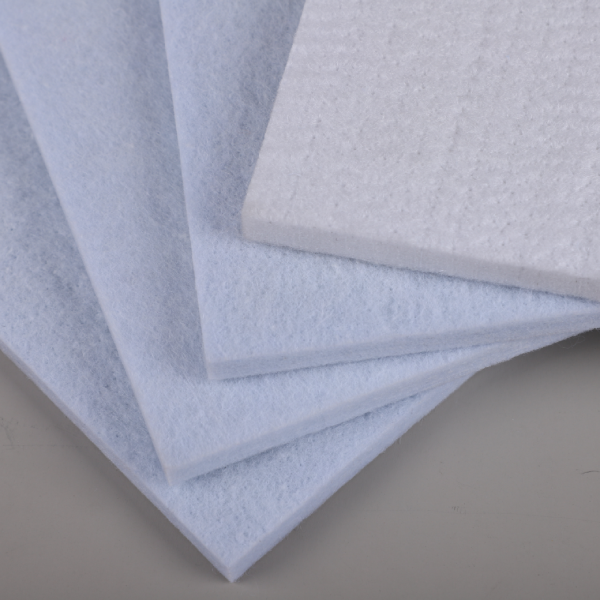
Can Recycled PET Felt Be Used as Furniture Lining and Interior Backing?
In addition to protection applications, recycled PET felt can also be used as Interior Backing or an internal covering material in selected furniture products.
These applications generally do not require the felt to become the main load-bearing structure of the furniture. Instead, the material is used to cover an internal area and create a more complete surface or separation layer.
For example, certain cabinets, furniture back panels, internal partitions, or other concealed areas may require a nonwoven material that is easy to cut, cover, and install.
In these applications, furniture manufacturers should first identify the actual function of the felt. If it is mainly being used as a backing material, the purchasing requirements may be very different from those for a furniture component that needs to provide structural support.
Therefore, during product development, buyers should ideally provide the material's installation position, whether it will be visible, whether bonding is required, whether the material needs to be folded, and the final dimensions. This helps prevent the purchase of material with performance beyond the actual requirement and can reduce subsequent product modifications.
Can Recycled PET Felt Be Used in Acoustic Furniture?
Some modern furniture products are designed not only for storage or decoration but also as part of acoustic solutions for offices, meeting spaces, and interior environments.
For example, certain office furniture, screens, partitions, and other furniture components may incorporate felt materials with acoustic functions.
In these products, recycled PET felt can be considered as one material component within an acoustic furniture structure. However, furniture manufacturers should not automatically select a specific felt simply because the product is described as “acoustic.”
The actual purchasing decision should return to the furniture structure: where the material will be installed, what role it plays in the overall acoustic system, and what performance requirements the finished product needs to meet.
Therefore, the focus here is not on NRC, acoustic testing, or detailed acoustic specifications, but on helping furniture manufacturers determine whether Acoustic Furniture is a potential application for Recycled PET Felt.
Once the product enters acoustic development, the material and performance can then be validated according to the specific project requirements rather than directly purchasing standard recycled felt.
Is Packaging and Protection Also a Practical Application in the Furniture Supply Chain?
Using felt in furniture manufacturing does not necessarily mean that the material has to become part of the finished furniture.
During furniture transportation, storage, and export, tabletops, cabinet doors, edges, and other surfaces that are vulnerable to friction may require additional protection. Therefore, Packaging and Protection is another practical direction that furniture manufacturers can consider.
Compared with materials used in finished furniture components, packaging protection materials generally focus more on coverage area, flexibility, cutting methods, packaging efficiency, and protection during transportation.
For companies that manufacture both furniture and furniture components, using the same type of Recycled PET Felt across different protection stages may also help simplify material purchasing and supply chain management.
However, buyers should still distinguish between “finished furniture material” and “transportation protection material,” because their service life, performance requirements, and cost considerations are not necessarily the same.
How Should Furniture Manufacturers Decide Whether an Application Is Worth Recycled PET Felt Sample Development?
When a furniture manufacturer identifies a component that may be suitable for Recycled PET Felt, there is no need to determine every technical specification immediately.
A more effective approach is to first clarify four points.
First, where exactly will the material be installed in the furniture?
Second, will it mainly provide protection, separation, lining, covering, cushioning, or structural assistance?
Third, what processing will be required during manufacturing, such as cutting, die cutting, lamination, bonding, or assembly?
Fourth, is there an existing material that can be used for comparison with the final product?
Once these details are clear, the supplier can recommend samples based on the actual product development requirements rather than simply providing a standard recycled felt material.
During the sample stage, the key objective is to determine whether the material can genuinely enter the furniture manufacturing process. If the sample meets the product structure, processing method, and final-use requirements, the buyer can then confirm the formal purchasing specifications for bulk production. This approach is more consistent with the actual purchasing process of furniture manufacturers.
Why Should Furniture Manufacturers Consider a Supplier’s Customization and Bulk Production Capability?
Furniture manufacturing is usually based on long-term production rather than one-time purchasing.
Once a particular type of felt has been approved for a cabinet, drawer, protective pad, or other furniture component, the more important question changes from “Can this sample be used?” to “Can the supplier continuously provide material that meets the approved requirements?”
Therefore, during the development stage, furniture manufacturers should understand whether the supplier has the capability to provide custom nonwoven products and whether it can adjust material specifications, dimensions, and processing methods according to the product requirements.
For long-term furniture projects, the supplier should also understand the customer's product application rather than treating every order as a completely independent new product.
HuiZhou JinHaoCheng Nonwovens Co., Ltd. specializes in needle punched nonwoven materials and supports customized production based on customers' final applications. For Furniture Protection, Drawer Liners, Cabinet Components, Protective Pads, and other furniture-related projects, the material structure, dimensions, and processing requirements can be evaluated according to the final application, followed by sample validation and confirmation of the specifications for bulk production.
For overseas furniture manufacturers, importers, and furniture material buyers, this application-to-sample-to-bulk-specification approach is more suitable for long-term furniture supply chain purchasing.
Conclusion
For furniture manufacturers, Recycled PET Furniture Felt is not limited to one type of furniture product. It can be considered for different application positions according to the specific function required by each furniture component.
Furniture Protection can focus on surface protection and contact conditions. Furniture Pads can be evaluated based on localized protection and converting requirements. Cabinet Components and Interior Backing should be assessed according to their installation position and material combination. Drawer Liners require attention to dimensions, cutting, and long-term use. Acoustic Furniture can be considered as a potential application, but should be further validated according to the specific acoustic structure. Packaging and Protection mainly serves furniture transportation and supply chain protection.
Therefore, when sourcing Recycled PET Felt, the most important question for a furniture manufacturer is not simply “Which recycled felt is the best?” but:
Where exactly will this material be installed in the furniture, and what function does it need to perform?
Once this question is clear, moving into sample development and detailed specification confirmation is generally more effective than simply searching for a standard sustainable felt fabric.




