High Temperature Anti-Static Needle Filter Felt for Industrial Dust Filtration: A Complete Buying Guide
In industrial dust collection and filtration systems, choosing the right filter material directly affects filtration efficiency, equipment stability, maintenance costs, and production safety.
For many industries, standard filter felt may not be enough when filtration environments involve high temperature, abrasive dust, and static electricity accumulation. Poor material selection can lead to problems such as difficult dust removal, increased pressure drop, premature filter replacement, and potential safety risks in dust-sensitive applications.
Therefore, industrial buyers, filtration equipment manufacturers, distributors, and importers increasingly look for high temperature anti-static needle filter felt that combines temperature resistance, static control, mechanical strength, and long service life.
Through advanced needle punching technology and functional finishing processes, modern needle punched filter felt has developed far beyond traditional filtration materials. Today, it is widely used in industrial dust collection, chemical processing, mining, food production, and other demanding filtration applications.
As an experienced needle punched nonwoven felt manufacturer, Jin Hao Cheng provides customized industrial nonwoven solutions with different fiber structures, weights, thicknesses, and surface treatments to meet global customers’ filtration requirements.
What Is High Temperature Anti-Static Needle Filter Felt?
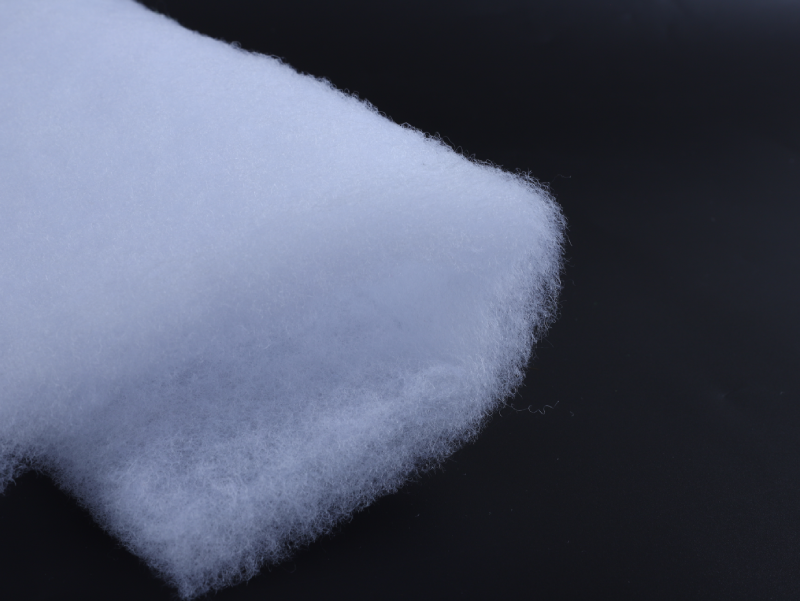
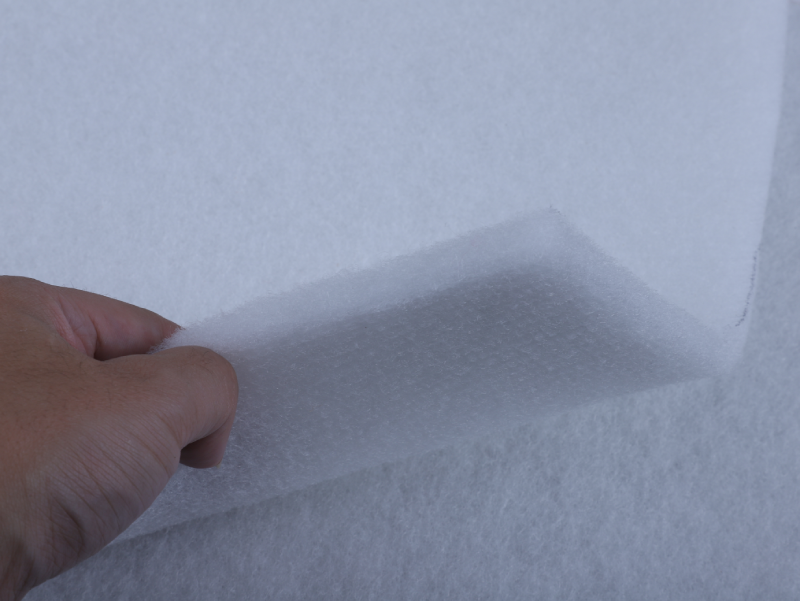
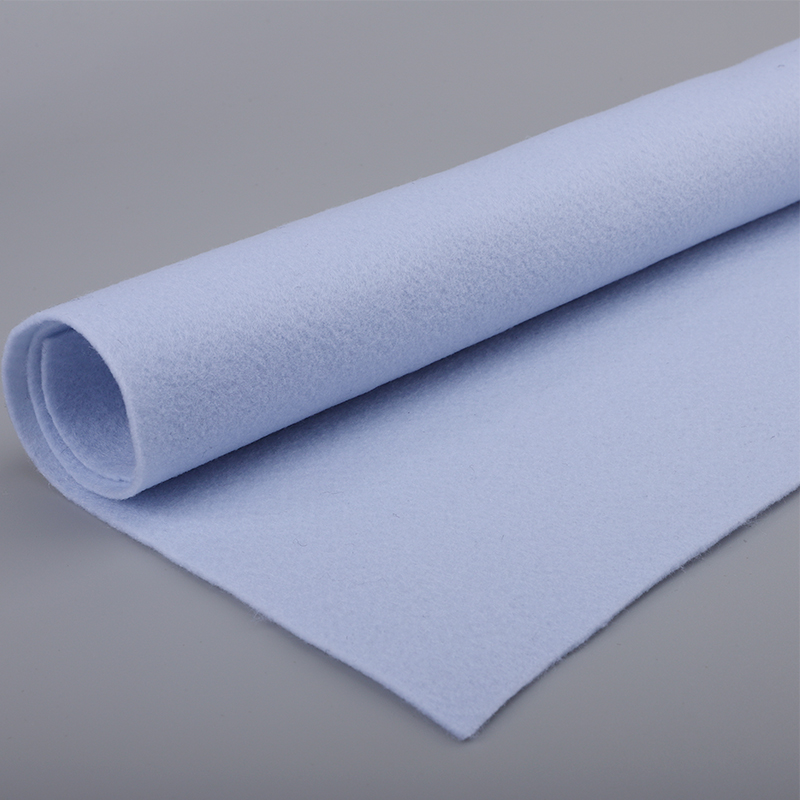
High temperature anti-static needle filter felt is an industrial filtration material manufactured through needle punching technology using synthetic fibers such as polyester. During production, conductive fibers or conductive materials can be incorporated into the fiber network to improve static dissipation performance.
Unlike ordinary filter materials, anti-static needle felt is designed to solve multiple industrial challenges, including:
High temperature filtration environments
Static electricity generated by dust friction
Continuous mechanical wear
Frequent cleaning cycles
Stable dust removal performance
The needle punching process creates a three-dimensional fiber structure, allowing the material to achieve a balance between filtration efficiency, air permeability, and mechanical strength.
For customers searching for a reliable needle punched felt manufacturer, selecting a supplier with mature production experience is important because fiber quality, needle punching density, and finishing technology directly influence the final filtration performance.
Why Do Industrial Buyers Choose Anti-Static Needle Punched Felt?
Industrial filtration systems often operate under harsh conditions. The filter material must not only capture dust efficiently but also maintain stable performance during long-term operation.
The main advantages of anti-static needle punched felt include:
Improved Static Electricity Control
During dust filtration, continuous friction between dust particles and filter fibers can generate static electricity.
This is especially important in industries involving combustible or fine powder materials, such as chemical powders, flour processing, coal dust, and plastic particles.
By evenly mixing conductive fibers into the polyester fiber structure, anti-static filter felt can help improve electrical conductivity and reduce static accumulation during operation.
For industrial buyers, the consistency of conductive fiber distribution is a key factor when evaluating the quality of anti-static filtration materials.
A professional needle felt supplier should be able to provide stable material performance through controlled production processes.
Excellent Heat Resistance for Medium Temperature Filtration
Temperature stability is another important requirement for industrial filter materials.
During production, heat-setting treatment and optimized fiber selection can improve the dimensional stability and temperature resistance of needle punched felt.
Depending on the fiber type, structure, and working conditions, polyester needle filter felt can be used in many medium-temperature filtration systems, with certain grades suitable for applications approaching approximately 150°C.
However, buyers should always confirm continuous operating temperature, peak temperature, chemical environment, and filtration conditions before selecting the final material.
Choosing the correct specification from a professional nonwoven felt manufacturer China helps prevent premature material failure caused by unsuitable temperature conditions.
Strong Abrasion Resistance and Longer Service Life
Industrial filter materials experience repeated cycles of:
Dust loading
Compressed air cleaning
Mechanical vibration
Filter cake removal
Continuous airflow impact
The three-dimensional fiber structure of needle punched nonwoven provides good mechanical strength and abrasion resistance.
Compared with lower-quality filter materials, high-quality needle punched felt can maintain better dimensional stability and filtration performance during repeated operating cycles.
For large-scale industrial users, improved durability means fewer replacements, lower maintenance costs, and more stable production efficiency.
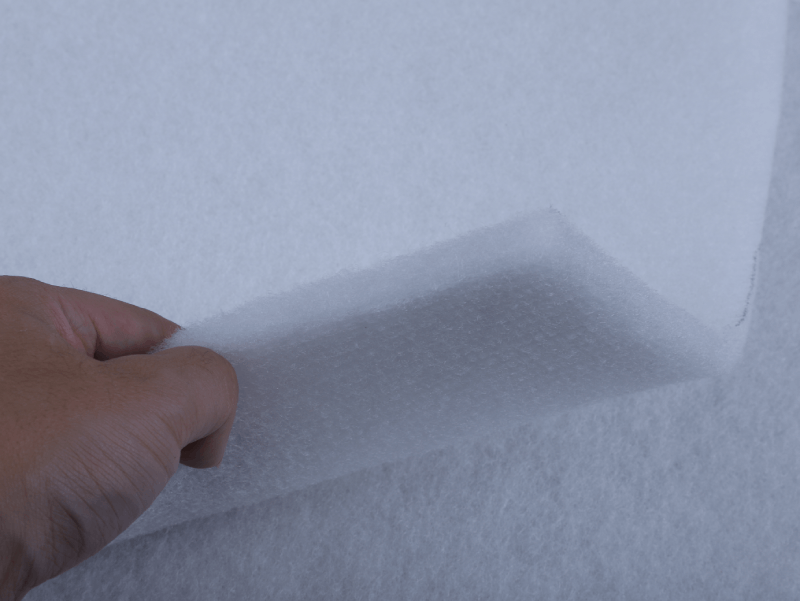
How Does Surface Treatment Improve Needle Filter Felt Performance?
The performance of industrial filter felt depends not only on fiber selection but also on finishing technology.
Professional manufacturers can apply different surface treatments according to specific filtration requirements.
Common treatments include:
Heat setting
Calendaring
Singed surface treatment
Water-repellent finishing
Oil-resistant treatment
These processes can improve surface smoothness, cleaning efficiency, and operating stability.
Singeing and Calendaring for Easier Dust Removal
During filtration, dust particles can become embedded into the surface of filter materials.
Singeing treatment removes loose fibers from the surface, creating a smoother filtration layer.
Calendaring compresses and improves surface uniformity, which can help filter cakes release more easily during cleaning cycles.
For industrial dust collection systems, better dust release performance can reduce cleaning frequency and help maintain stable airflow resistance.
Water and Oil Resistant Treatment for Complex Working Conditions
Some industrial filtration environments contain moisture, oil mist, or sticky dust particles.
In these applications, untreated filter materials may experience faster contamination and more difficult cleaning.
A customized surface treatment can improve resistance to moisture and oil penetration, making industrial filter felt more suitable for challenging environments.
The correct treatment should always be selected according to actual operating conditions rather than applying unnecessary processing.
What Industries Use High Temperature Anti-Static Filter Felt?
Chemical Industry Filtration
Chemical manufacturing processes often generate fine powders, particles, and dust requiring reliable filtration solutions.
Because chemical environments may involve static risks and continuous operation, anti-static needle punched felt can provide additional performance advantages when matched with suitable working conditions.
Food and Flour Processing
Fine powder industries such as flour production require effective dust collection systems.
Since powder particles can generate static electricity during transportation and filtration, anti-static filter materials are commonly considered for these applications.
Stable filtration efficiency and reliable dust release performance are important factors for maintaining continuous production.
Mining and Mineral Processing
Mining and mineral processing environments usually involve high dust concentration and abrasive particles.
In these conditions, filter materials require:
High mechanical strength
Good abrasion resistance
Stable airflow performance
Reliable cleaning performance
Customized polyester needle punched felt can be designed according to different industrial filtration requirements.
Cement and Building Material Industry
Cement production generates large amounts of fine dust during grinding, transportation, and processing.
For medium-temperature dust collection systems, polyester-based needle filter materials are widely used because they provide a practical balance between performance and cost.
For higher temperature applications, buyers should evaluate whether alternative fiber materials are required.
What Should Buyers Consider When Purchasing Anti-Static Filter Felt?
For wholesalers, distributors, and industrial users, choosing filter felt only based on price or thickness may create problems during actual operation.
Important purchasing factors include:
Fiber material: Polyester, aramid, PPS, PTFE, or other specialty fibers
GSM weight: Determines thickness, strength, and filtration characteristics
Air permeability: Influences filtration speed and pressure resistance
Operating temperature: Confirm continuous and peak temperature requirements
Static control structure: Verify conductive fiber distribution
Surface treatment: Select suitable finishing according to dust characteristics
Size customization: Match filter bags or filtration equipment dimensions
A reliable supplier should provide technical recommendations instead of simply offering standard products.
Why Choose a Professional Needle Punched Nonwoven Manufacturer?
Industrial filtration materials require consistent quality and customized production capability.
Different industries have different requirements for:
Fiber composition
Needle punching density
Thickness
Air permeability
Surface finishing
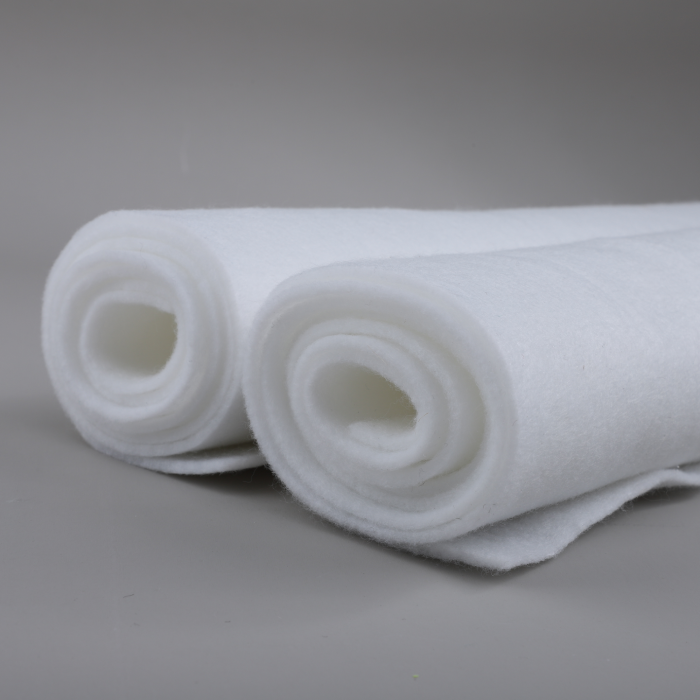
Roll size
Packaging
Therefore, working directly with an experienced needle punched felt manufacturer can help buyers achieve better product consistency and long-term supply stability.
Jin Hao Cheng has more than 20 years of nonwoven manufacturing experience, with a 26,000㎡ production facility and 15 automated needle punching production lines.
As a professional nonwoven felt manufacturer China, we provide customized solutions including:
Custom needle punched felt
OEM nonwoven manufacturer services
ODM nonwoven manufacturer solutions
Industrial felt products
Functional nonwoven materials
Our production capabilities support customers from different industries requiring stable quality, flexible customization, and reliable export supply.
Besides industrial filtration materials, Jin Hao Cheng also manufactures floor protection felt, painter fleece, anti-condensation felt, thermal bonded wadding, laminated foam fabric, and other nonwoven products.
Conclusion: How to Select the Right Anti-Static High Temperature Filter Felt?
Choosing the right filter material requires more than selecting a product with the highest temperature resistance or strongest specifications.
The final filtration performance depends on:
Fiber quality
Needle punched structure
Conductive design
Surface treatment
Operating temperature
Dust characteristics
For industrial applications involving static dust, medium-temperature filtration, and continuous operation, high temperature anti-static needle filter felt can provide a reliable solution when properly selected.
If you are looking for an experienced needle punched nonwoven felt manufacturer, custom needle punched felt supplier, or industrial felt manufacturer China, Jin Hao Cheng can provide customized filtration materials according to your application requirements.
Contact us for professional recommendations on fiber selection, specifications, surface treatment, and OEM production solutions.