What Are the Advantages of Grey Acoustic Felt? One Lightweight Material for Multiple Applications
In interior decoration, architectural acoustics, and commercial space design, buyers often face a practical challenge: different projects require different acoustic materials. Purchasing a separate material for every application can increase procurement complexity, inventory pressure, transportation costs, and project management work.
For this reason, more material buyers are looking for versatile products that can combine sound absorption, lightweight construction, flexible processing, decorative compatibility, and environmental performance.
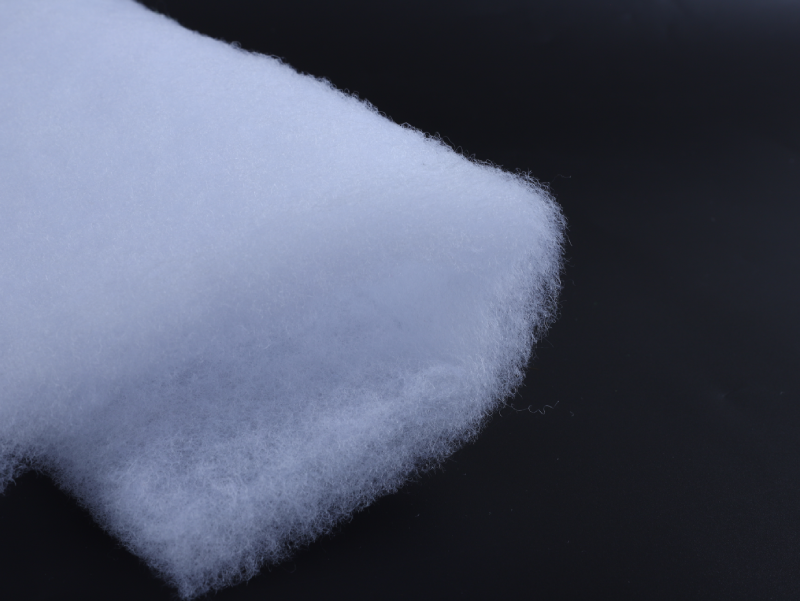
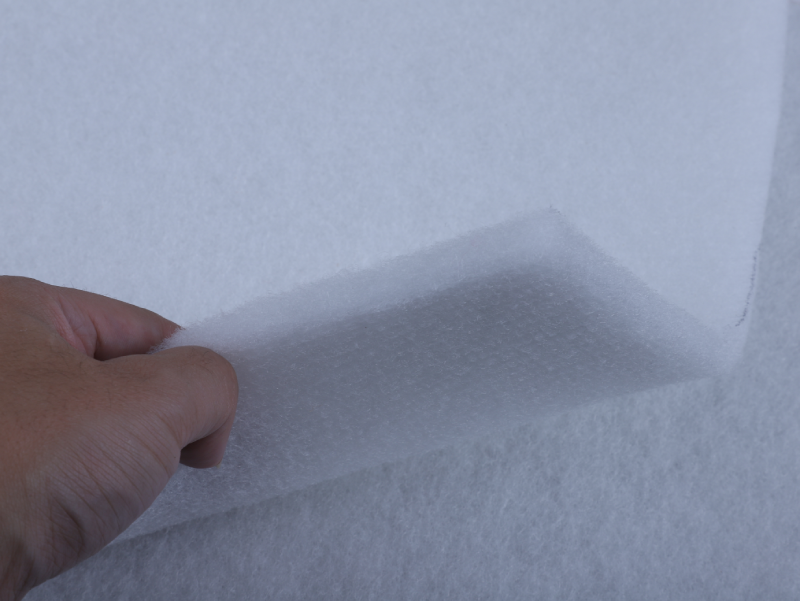
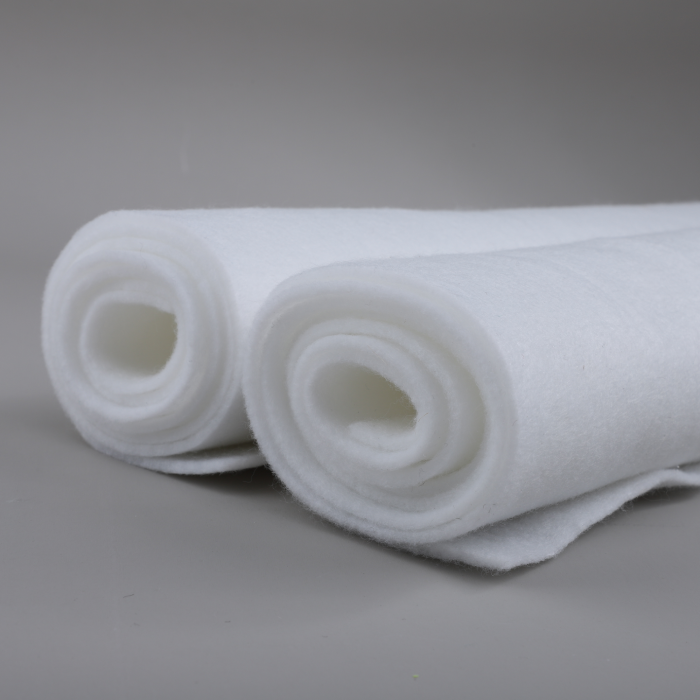
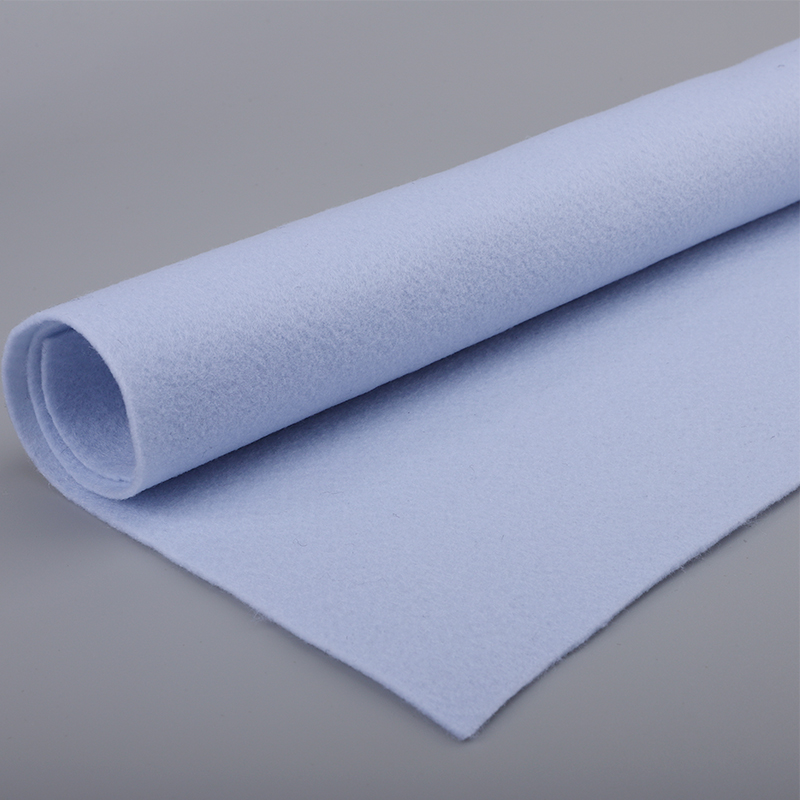
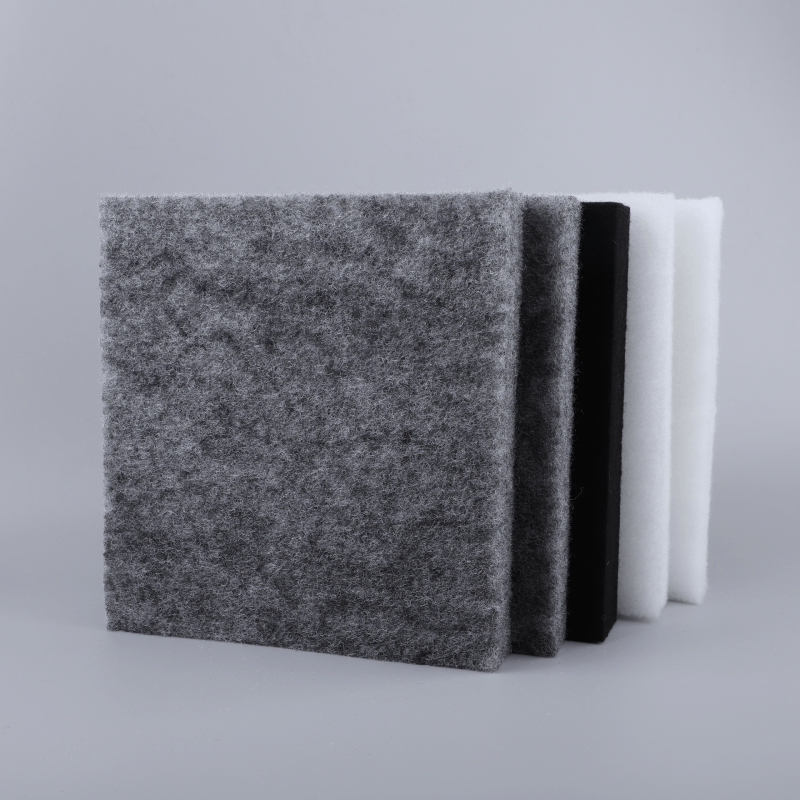
Grey acoustic felt is one such polyester-based nonwoven material. Usually manufactured from polyester fibers through thermal compression, heat setting, and other processing methods, it can be produced with different GSM, thickness, density, and hardness according to specific application requirements.
Compared with some heavier or more complicated acoustic structures, polyester acoustic felt offers advantages such as relatively low weight, easy cutting, convenient installation, and flexible design possibilities. It can therefore be used in residential interiors, offices, KTV rooms, cinemas, music spaces, meeting rooms, and other areas where acoustic improvement is required.
For companies purchasing materials on a regular basis, the key question is not simply whether the acoustic felt is inexpensive. What matters more is whether the material can serve multiple applications while maintaining consistent specifications and stable long-term supply.
What Is Grey Acoustic Felt and Why Is It Suitable for Multiple Applications?
Grey acoustic felt is generally manufactured from polyester fibers using nonwoven forming processes combined with thermal compression, heat setting, or other finishing techniques.
The fibers create a porous structure rather than forming a completely dense surface. When sound waves enter this structure, part of the acoustic energy interacts with the fibers and internal air spaces. Through friction and repeated movement within the porous structure, some sound energy can be dissipated.
For this reason, grey acoustic felt is more than simply a soft textile material. It can function as a type of polyester acoustic felt for interior acoustic treatment.
Polyester fiber acoustic materials are widely used for wall and ceiling applications and can also be processed into decorative acoustic structures. Actual acoustic performance depends on factors such as thickness, density, installation method, air gap, and target frequency, so buyers should evaluate technical data rather than selecting a product only by appearance or color.
Why Can Grey Acoustic Felt Be Used for Multiple Purposes?
The value of grey acoustic felt is not limited to sound absorption.
For project buyers, a material that can combine sound absorption, lightweight construction, easy processing, decorative flexibility, and optional functional treatment can help reduce the number of different materials required in a project.
This is one reason polyester acoustic materials are increasingly used in interior acoustic applications.
Depending on the project, manufacturers can adjust thickness, density, GSM, and other specifications to develop materials for different wall, ceiling, and acoustic decoration requirements.
However, products from different manufacturers can vary significantly in terms of raw materials, fiber structure, density, thickness, and finishing. Therefore, buyers should not assume that every product sold as “polyester acoustic felt” will deliver the same performance.
High Sound Absorption Helps Improve Echo and Indoor Acoustic Comfort
For home theaters, KTV rooms, meeting rooms, offices, and music spaces, the acoustic problem is not always simply excessive noise. In many cases, excessive sound reflection and reverberation can be equally important.
When walls, ceilings, and other hard surfaces reflect sound repeatedly, sound waves can overlap and remain in the room for longer, creating noticeable echo and reverberation.
Porous fiber materials can allow part of the sound energy to enter the internal structure. Interaction between the sound waves, fibers, and air spaces can dissipate part of the acoustic energy and help reduce reflected sound.
Therefore, polyester acoustic felt can be used as one component of an interior sound absorption system.
Actual acoustic performance depends on material thickness, density, installation method, air cavity, and target frequency. Different thicknesses and installation configurations can produce significantly different acoustic results.
For this reason, professional buyers should not simply ask whether an acoustic felt product has “good sound absorption.” They should also request relevant technical specifications and test conditions.
Lightweight Construction Makes Grey Acoustic Felt Easier to Install
For large-scale interior projects, material weight can directly influence transportation, handling, and installation efficiency.
Heavy acoustic materials can increase the workload for installers, especially when materials need to be mounted on walls or ceilings.
Polyester acoustic felt has a relatively lightweight fiber structure and can be cut into different sizes according to project requirements. This makes it convenient for on-site processing and installation.
Lightweight construction can also provide advantages in transportation and storage.
When calculating the total procurement cost of acoustic material, buyers should therefore consider more than the price per kilogram. Unit-area cost, transportation, installation efficiency, material waste, and processing requirements should also be evaluated.
Why Is Grey Acoustic Felt Suitable for Interior Decoration?
Acoustic materials do not always have to be hidden behind walls or ceilings.
As modern commercial spaces place greater emphasis on visual design, many acoustic materials are now expected to provide both sound absorption and decorative value.
Grey is a neutral color that can be easily combined with different interior styles, wall finishes, ceiling systems, and decorative elements.
For offices, meeting rooms, exhibition spaces, music rooms, and commercial interiors, acoustic felt can be cut, combined, shaped, or integrated into decorative structures according to design requirements.
Polyester acoustic materials can also be developed into flat panels, shaped panels, patterned surfaces, and other customized forms, allowing acoustic treatment to become part of the overall interior design.
This gives buyers an opportunity to combine acoustic performance with visual design instead of purchasing completely separate systems for each function.
Why Is Flame Resistance Important When Choosing Acoustic Felt?
For residential applications, sound absorption may be one of the main considerations. For public and commercial spaces such as KTV venues, cinemas, sports facilities, conference centers, schools, and commercial buildings, fire safety is equally important.
The flame resistance of polyester acoustic felt depends on the fiber type, manufacturing process, and functional treatment. Therefore, buyers should not assume that every polyester acoustic felt product has the same fire performance.
When a project has specific fire-safety requirements, buyers should confirm the product's fire resistance rating, applicable test standard, and certification documentation before placing a bulk order.
For commercial projects, working with a manufacturer that has stable production and quality-control capabilities can make it easier to verify material performance and maintain batch consistency.
What Are the Environmental Advantages of Grey Acoustic Felt?
Environmental performance has become an increasingly important purchasing factor in the construction and interior decoration industries.
Polyester acoustic materials can be manufactured through nonwoven forming processes, with different fiber compositions selected according to product requirements.
However, the term “eco-friendly polyester acoustic felt” does not necessarily mean that every product uses the same raw materials. Some products are made with recycled PET fibers, while others may use virgin polyester fibers.
Therefore, buyers with specific sustainability requirements should confirm the fiber composition, recycled content, VOC performance, formaldehyde requirements, and applicable environmental certifications before purchasing.
For projects with strict environmental specifications, these requirements should ideally be discussed with the manufacturer during the material-development stage rather than after mass production has already started.
Where Can Grey Acoustic Felt Be Used?
Grey acoustic felt has a broad range of potential applications. Different thicknesses, densities, GSM levels, and structures can be developed for different environments.
Home Decoration and Home Theaters
Residential spaces such as home theaters, music rooms, TV rooms, and selected wall structures may require acoustic treatment.
Lightweight polyester acoustic felt can help manage sound reflection and reverberation while remaining relatively easy to cut and install.
KTV Rooms and Entertainment Spaces
KTV rooms, music bars, and entertainment venues often have strong sound reflection because of their enclosed structures and hard interior surfaces.
Grey acoustic felt can be used on selected walls, ceilings, or decorative acoustic structures to help control reflected sound.
It is important to distinguish sound absorption from sound insulation. Acoustic felt primarily helps manage sound within a room, while true sound insulation requires appropriate building structures, insulation layers, doors, windows, and other systems.
Cinemas and Auditoriums
Cinemas, auditoriums, and multipurpose halls require careful control of reverberation and sound clarity.
Polyester acoustic felt can be incorporated into wall or ceiling acoustic designs and used together with other architectural elements.
Meeting Rooms and Offices
Open-plan offices and meeting rooms can experience unwanted speech noise, equipment noise, and excessive sound reflection.
Acoustic materials installed on walls, ceilings, or designated acoustic zones can help improve the overall acoustic comfort and speech clarity of the space.
Music Rooms and Recording Spaces
Recording studios, broadcasting rooms, music rooms, and other specialized environments have more demanding acoustic requirements.
Buyers should select material according to the room size, target frequencies, installation configuration, thickness, and density rather than relying on one standard specification.
For customized acoustic projects, working with a manufacturer capable of developing custom nonwoven products can provide greater flexibility.
What Should Buyers Consider Besides Price When Purchasing Grey Acoustic Felt?
For importers, wholesalers, distributors, and project-material buyers, product price is only one part of supplier evaluation.
First, confirm the raw material composition.
Different fiber compositions can influence strength, surface characteristics, environmental performance, processing behavior, and overall product properties.
Second, verify GSM, thickness, and density consistency.
Large variations between production batches can affect downstream processing and acoustic performance.
Third, confirm the required fire performance.
For public and commercial projects, the applicable fire standard should be confirmed before production.
Fourth, evaluate the manufacturer's customization capability.
For large-volume projects, the ability to customize width, length, thickness, density, GSM, and other specifications can significantly improve procurement efficiency.
Finally, evaluate the supplier's production capacity and supply stability.
For long-term cooperation, consistent quality and stable supply are often more valuable than simply obtaining the lowest price for a single order.
Why Work With a Professional Nonwoven Manufacturer?
Although grey acoustic felt is a relatively mature nonwoven product, its consistency still depends heavily on raw material management, production equipment, fiber structure control, finishing processes, and quality inspection.
Kenjoy is a professional needle punched nonwoven felt manufacturer and nonwoven manufacturer China, with approximately 26,000 square meters of production facilities, 15 automated needle punching production lines, and annual production capacity exceeding 10,000 tons.
With extensive experience in nonwoven material manufacturing, we can customize GSM, thickness, density, width, and functional performance according to different customer requirements.
In addition to acoustic materials, our product range includes needle punched felt, floor protection felt, painter felt, anti-condensation felt, thermal bonded wadding, and laminated foam fabric.
For importers, wholesalers, distributors, engineering companies, and private-label customers, we support OEM nonwoven manufacturer, ODM nonwoven manufacturer, and custom nonwoven products cooperation.
From sample development and specification confirmation to mass production, we can provide nonwoven material solutions according to the specific requirements of different applications.
Why Can Grey Acoustic Felt Be a Multi-Application Material?
From a purchasing perspective, a valuable acoustic material needs to offer more than sound absorption. Weight, processing, installation, environmental performance, flame resistance, and supply stability can all influence the total value of the material.
Grey polyester acoustic felt offers a flexible fiber structure and processing characteristics that allow it to be used in residential interiors, offices, KTV rooms, cinemas, music rooms, meeting rooms, and other acoustic environments.
This does not mean that one specification is suitable for every project. Instead, the same material category can be developed for different applications by adjusting fiber structure, GSM, thickness, density, and functional treatment.
For buyers, this flexibility can simplify the supply chain while providing more specification options for different customer projects.
If you are looking for a reliable needle punched nonwoven felt manufacturer, nonwoven felt manufacturer, nonwoven manufacturer China, or need customized polyester acoustic felt, Kenjoy can provide OEM, ODM, and custom nonwoven products solutions according to your application and technical requirements.