
How to Establish a Batch Acceptance Standard for Repeat Floor Protection Roll Orders
For overseas importers, wholesalers, and distributors who purchase Floor Protection Roll on a regular basis, the real challenge is not whether the first batch meets the requirements, but whether every subsequent repeat order continues to meet the same product standard.
The first shipment may pass sample approval and inspection without any problems. However, once purchasing becomes a long-term arrangement, buyers may notice certain differences between the second, fifth, or subsequent production batches, such as GSM, thickness, width, color, surface condition, backing or lamination performance, and packaging. If buyers have to determine whether every new batch is acceptable from scratch, quality management becomes increasingly difficult.
Therefore, long-term purchasing requires more than a general expectation that “quality should remain stable.” Buyers need a repeatable Floor Protection Roll quality acceptance standard based on an already approved product. This standard can then be used to determine whether every subsequent production batch continues to meet the requirements agreed upon by both sides.
Why Should Long-Term Buyers Not Rely Only on the First Approved Sample?
An approved sample is usually the starting point for establishing a product standard, but it does not solve every quality judgment issue that can occur during repeat orders. For a one-time order, the buyer may only need to confirm whether the sample meets the requirements. For long-term purchasing, however, the buyer must also define what it means for subsequent production to be “consistent with the approved sample.”
For example, a buyer may consider a product acceptable as long as it looks similar to the previous shipment. In actual production, however, GSM, thickness, width, roll length, color, and material structure may all have a certain degree of normal production variation. If both sides have not agreed in advance on what range is acceptable, differences can easily lead to disputes.
This is why long-term purchasing should not rely on keeping one sample roll and visually comparing every future shipment based only on experience. A better approach is to convert the key requirements of the approved sample into production standards that both the buyer and supplier can clearly understand and follow.
For overseas buyers, the value of this standard is that every repeat order does not need to start with a new discussion about what the product should look like. Instead, the new batch can be checked directly against the previously agreed standard.
What Should Be Included in a Floor Protection Roll Batch Acceptance Standard?
When establishing a floor protection roll batch consistency standard, buyers do not need to include every possible test or inspection item. The priority should be the key specifications that actually affect product performance, processing, and sales.
For standard Floor Protection Roll, buyers should generally pay attention to GSM, thickness, width, roll length, and material structure. If the product includes PE or another backing layer, the lamination structure should also remain consistent. For products with specific application requirements, color, surface condition, absorbency or water resistance, and slip resistance can also be included in the acceptance standard according to the actual application.
It is important to understand that buyers should not simply specify “160 GSM” or “the same thickness” without considering normal production variation. A more practical approach is to establish an agreed control range based on the approved product and the manufacturer's actual production capability, rather than expecting every batch to have absolutely identical measurements.
Packaging should also be included in the long-term standard. For importers and distributors, changes in package dimensions, roll packaging, outer packaging, labels, or product information can affect warehousing, transportation, and final sales. Therefore, product quality standards should not focus only on the material itself, but also include key packaging requirements that affect delivery and sales.
Why Should Long-Term Buyers Focus on a Range Rather Than One Fixed Number?
Many buyers tend to define product requirements using a single number, such as “160 GSM,” “2 mm thickness,” or “1000 mm width.” However, continuous production of nonwoven materials normally requires some degree of reasonable production variation.
If a buyer requires an absolutely fixed number without discussing how the supplier controls production, even a small difference in a later batch can create a dispute. The supplier may consider the product within normal production requirements, while the buyer may believe that it has moved away from the approved sample.
Therefore, floor protection roll quality control for repeat orders is better managed using a “target value + acceptable range” approach. For example, the buyer and supplier can establish mutually agreed control ranges for GSM, thickness, width, and other key specifications based on the approved sample and actual production capability, and clearly define which variations are acceptable and which require further confirmation.
This approach does not lower the quality requirements. Instead, it makes the requirements clearer. For overseas buyers, it changes a subjective statement such as “this batch looks different” into an objective discussion such as “this specification is outside the control range agreed upon by both parties,” which can significantly reduce unnecessary disputes.
Why Is It Not Enough to Inspect Only One Roll From a Production Batch?
For large Floor Protection Roll orders, inspecting only one roll cannot fully represent the quality of the entire production batch.
Roll materials are produced continuously, so certain differences may occur between different production times, positions, or individual rolls. If a buyer checks only one easily accessible roll, variations elsewhere in the production batch may remain unnoticed.
For long-term purchasing, it is more practical to establish a reasonable sampling approach based on order volume and actual risk. For example, products can be selected from different production times or different packaging units and compared against the key specifications that have already been confirmed.
The purpose is not to turn every roll into a laboratory test. The purpose is to determine whether the entire batch continues to be produced consistently around the approved product standard. For overseas importers and wholesalers, this is generally more useful than simply checking the appearance of one roll.
If a batch shows a significant difference, the buyer should also record the specific batch, production date, roll number, or packaging information. This allows the buyer to identify the issue accurately when communicating with the supplier instead of simply stating that “the quality of this batch is not good.”
How Can the Previous Approved Batch Become the Reference Standard for the Next Order?
Once the first batch has been approved and successfully put into regular sales, it should not simply be considered finished after delivery. For long-term purchasing, it can also become an important quality reference for future orders.
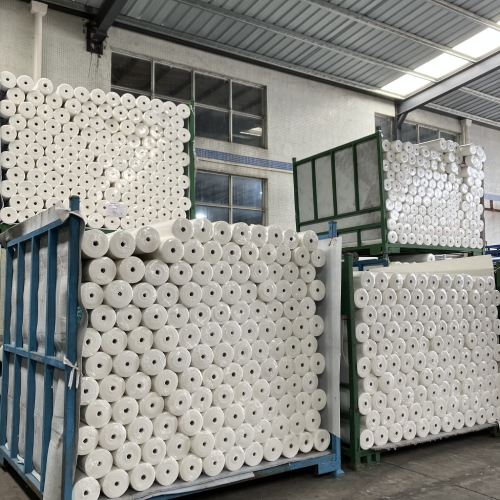
Buyers can retain an approved reference sample and keep the corresponding product specifications, production batch information, packaging photos, and necessary quality records. Before the next repeat order enters production, both sides can then work directly from the established requirements instead of explaining the product specifications again.
When the second or third production batch is completed, the buyer can compare the new batch against the previously approved standard. If the key specifications remain within the agreed control ranges, the buyer can continue purchasing according to the same standard. If a specification shows a consistent deviation, the buyer should discuss the reason with the supplier before the next order.
This approach is particularly important for wholesalers and distributors. They are not purchasing Floor Protection Roll only once; they need to provide a relatively consistent product to their own customers over time. Significant differences between batches may eventually affect customers' perception of product quality, packaging, and brand consistency.
What Should Buyers Do If They Find Differences Between Batches?
When a difference is identified, buyers should not immediately conclude that the supplier has “unstable quality.” The first step should be to determine which specification has changed and whether the difference is outside the previously agreed standard.
For example, if only the packaging method has changed, the issue may relate to order execution. If GSM, thickness, or width has changed significantly, the buyer should further check whether there were changes in production parameters, raw materials, equipment conditions, or order specifications. For composite Floor Protection Roll, the backing material and lamination process should also be checked for consistency.
For long-term suppliers, the most useful communication is not simply to say that “this batch is different.” Buyers should provide specific batch information and comparison results. This allows the supplier to identify where the problem occurred and determine whether the next action should involve rework, replacement, adjustment of the next production batch, or an update to the quality control requirements.
If similar issues continue to appear across multiple batches, the buyer should reassess the supplier's long-term production control capability instead of treating every quality issue as an isolated incident.
Why Should Long-Term Buyers Maintain Their Own Floor Protection Roll Quality Records?
For long-term purchasing projects, keeping only quotations and purchase contracts is not enough. As order volumes increase, buyers should ideally maintain an ongoing product quality record.
This record does not need to be complicated, but it should at least connect the product model, approved sample, key specifications, production batch, inspection results, and any quality issues. For customized products, buyers can also keep records of color, packaging, labels, and other special requirements.
The value of doing this is that when purchasing staff change, order volumes increase, or the product is reviewed again several years later, the original product standard can still be identified quickly.
For overseas importers and distributors, these records also help distinguish between “the supplier changed the product” and “our order requirements changed.” This is important for long-term cooperation because stable purchasing depends not only on the supplier, but also on whether the buyer maintains a clear product standard.
How Does JHC Support Long-Term Floor Protection Roll Purchasing?
For overseas customers purchasing Floor Protection Roll on a long-term basis, a supplier needs to do more than manufacture the product. The supplier also needs to consistently follow the product requirements that have already been approved.
HuiZhou JinHaoCheng Nonwovens Co., Ltd. has more than 20 years of nonwoven manufacturing experience and provides needle-punched nonwoven and related customized products, including OEM/ODM production for overseas customers. For Floor Protection Roll projects, production conditions such as GSM, thickness, width, roll length, color, lamination structure, and packaging can be confirmed according to order requirements.
For long-term customers, the more important issue is to consistently implement the confirmed product requirements in subsequent production rather than redefining the product every time a repeat order is placed. Clear specification confirmation, production arrangements, and quality inspection can help buyers establish a more stable basis for long-term supply.
Therefore, for overseas buyers looking for a needle punched nonwoven felt manufacturer or a long-term Floor Protection Roll supplier, supplier evaluation should not focus only on price and samples. Buyers should also consider whether the manufacturer can consistently produce and deliver the product according to an established standard.
Conclusion: Long-Term Purchasing Is Not About Whether One Batch Is Good, but Whether Every Batch Meets the Same Standard
For overseas buyers purchasing Floor Protection Roll on a long-term basis, the key is to establish a batch acceptance standard that can be used consistently.
The approved sample should be the starting point, but buyers also need to define key quality specifications, reasonable control ranges, sampling methods, and batch records. This allows the second, fifth, and subsequent orders to be evaluated against the same standard instead of relying on subjective judgment each time.
The core of floor protection roll quality is not requiring every roll to have absolutely no variation. It is ensuring that normal production variation does not affect the product's actual use, processing, or sales, while important specifications remain within the ranges agreed upon by both sides.
When buyers establish a clear floor protection roll batch consistency management approach, supplier evaluation can gradually move from “Is this one order acceptable?” to “Can this supplier continue to provide stable products across long-term repeat orders?” This is a more practical purchasing management approach for importers, wholesalers, and distributors.




