Hot Products
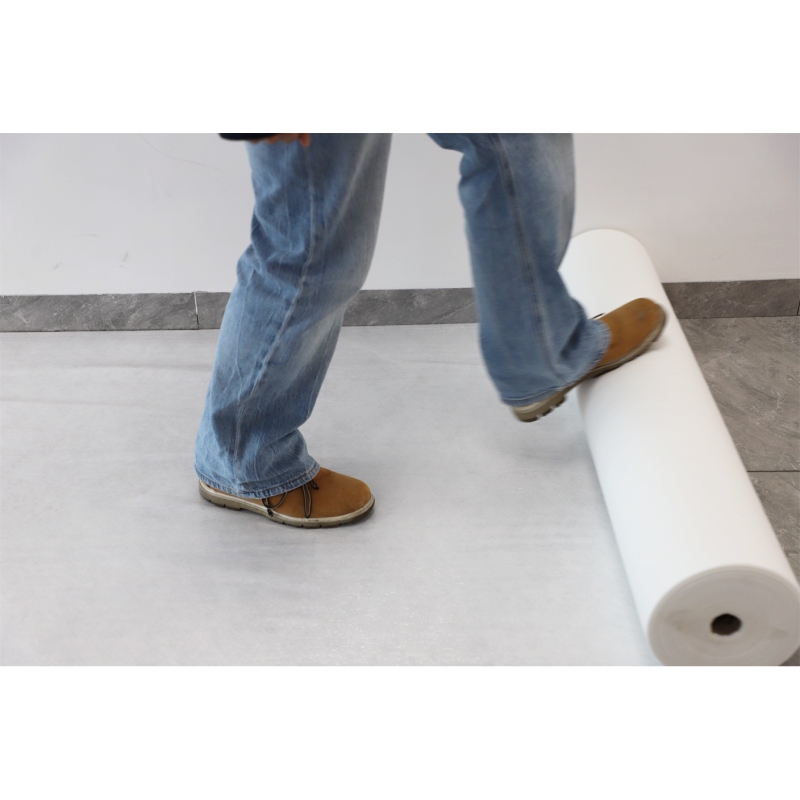
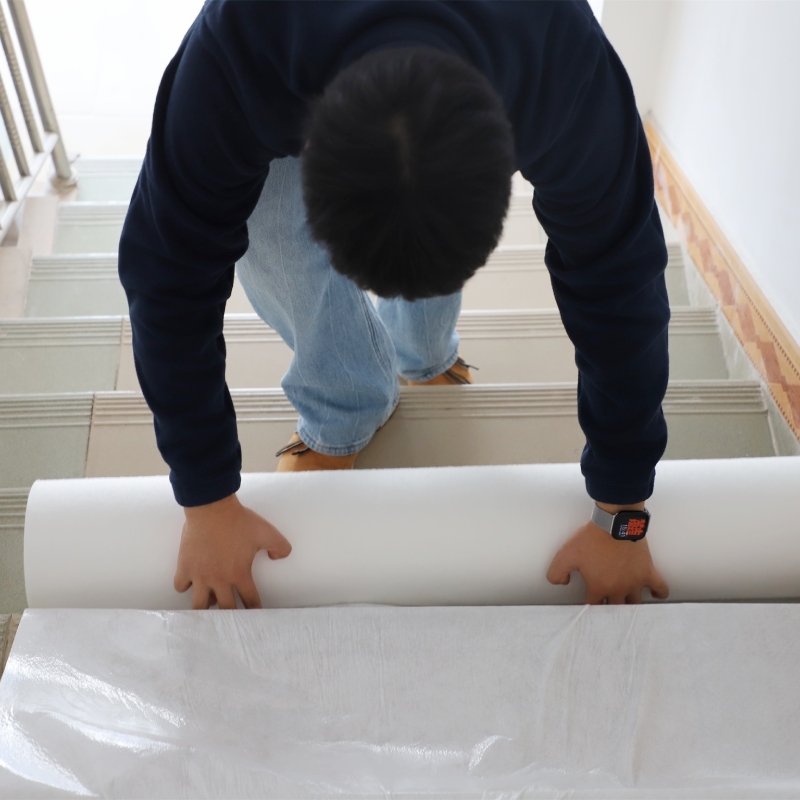
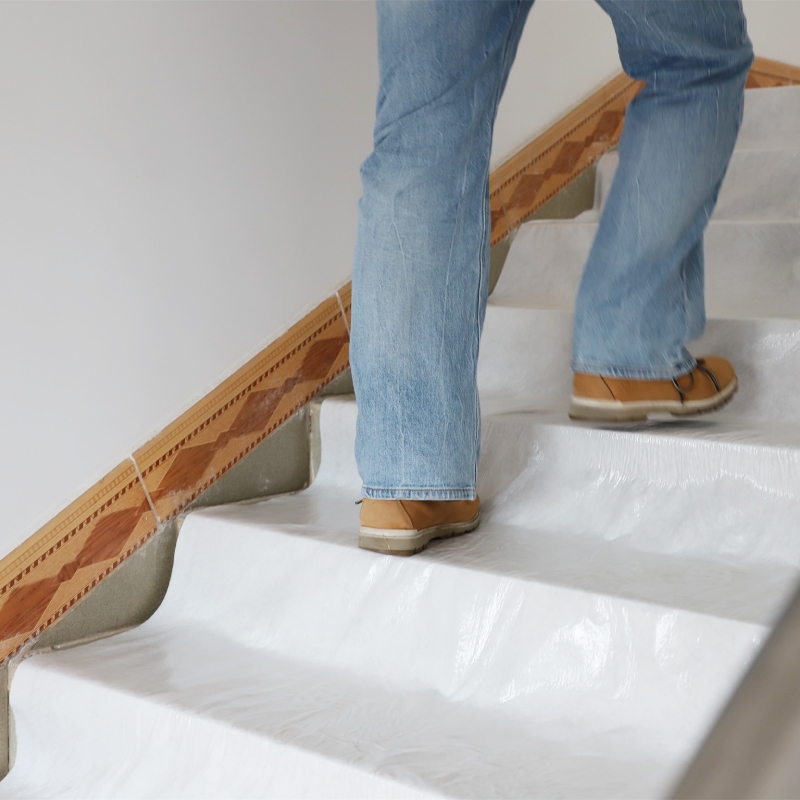
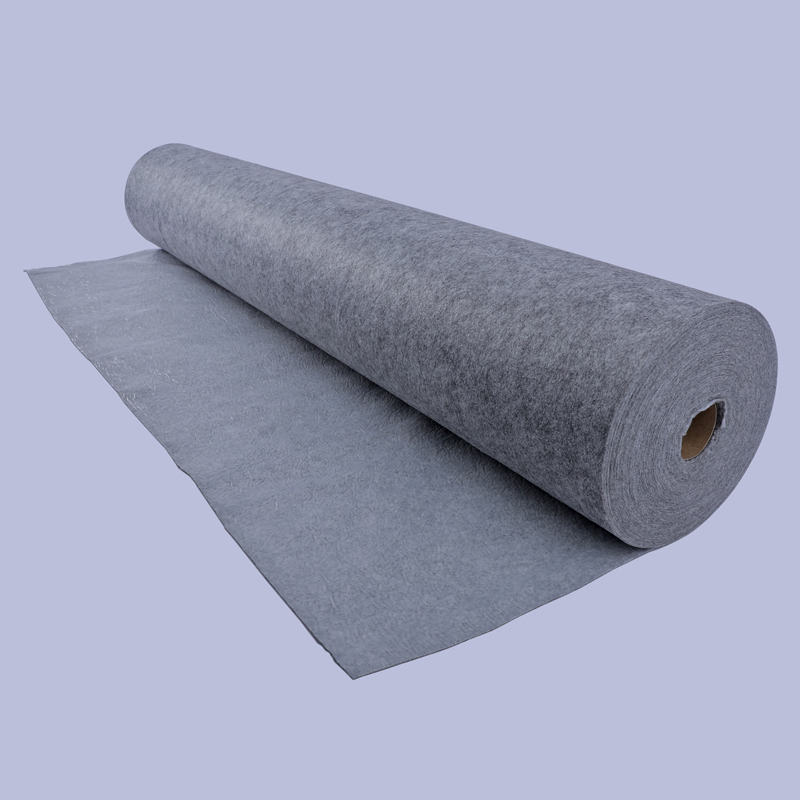
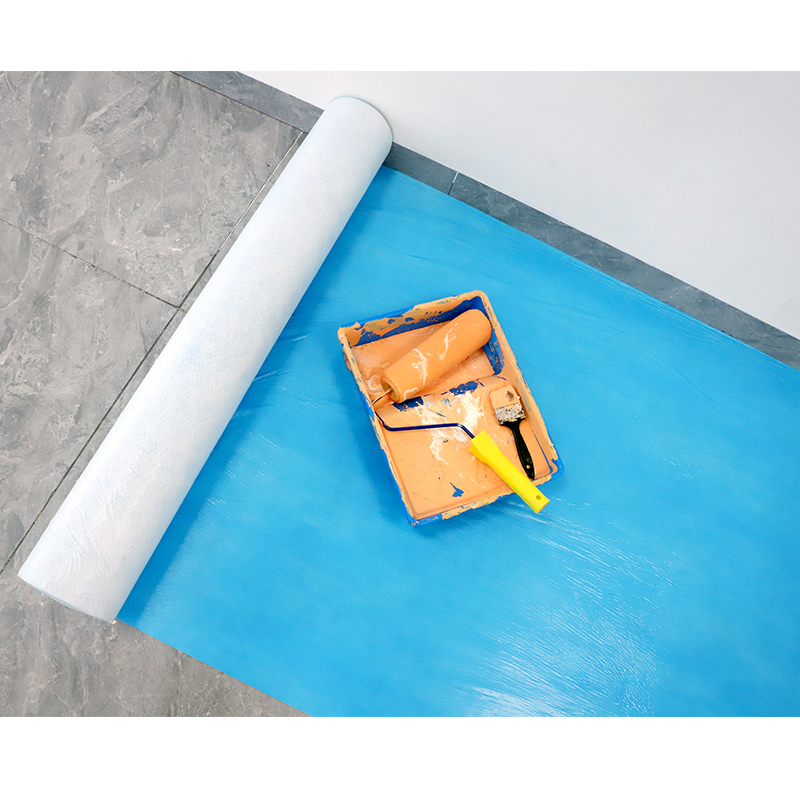
Thermal Bonded Wadding/Filling
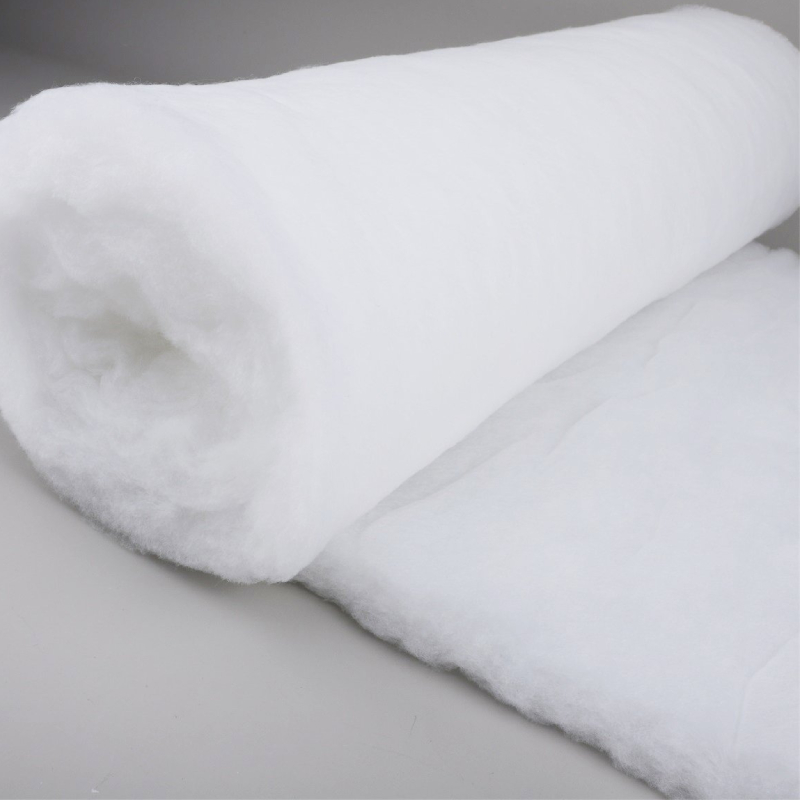
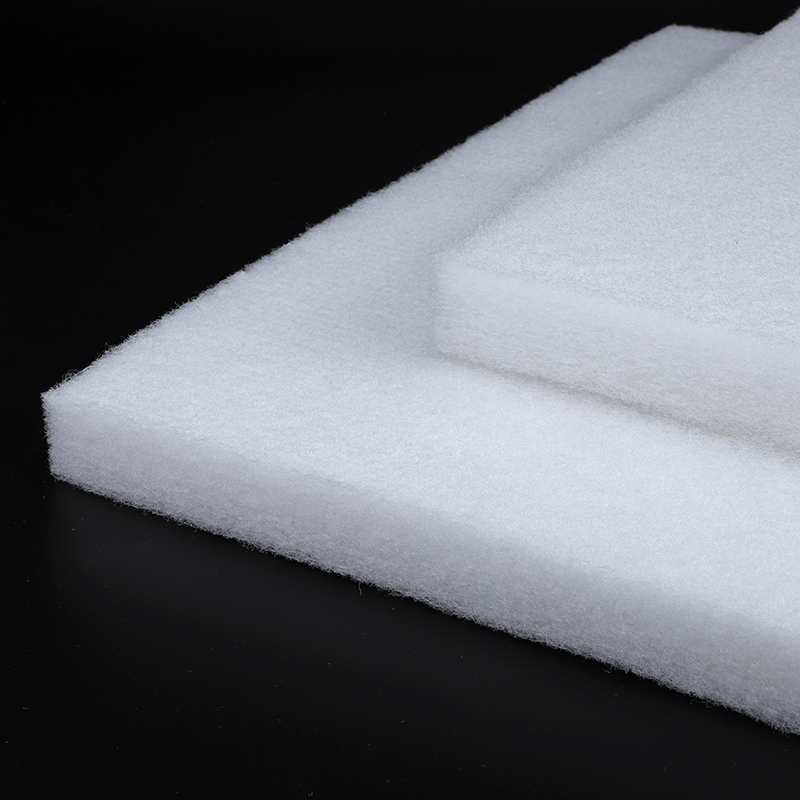
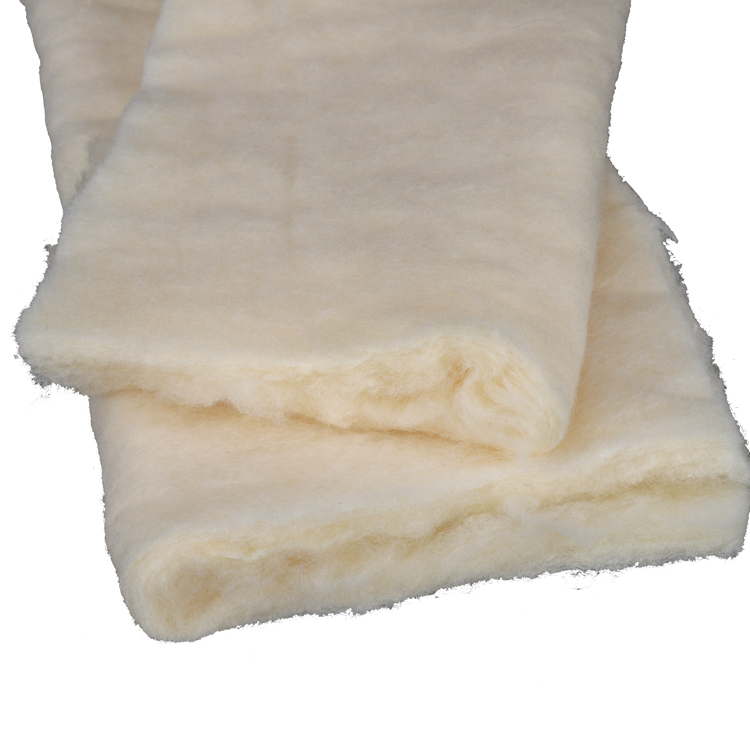
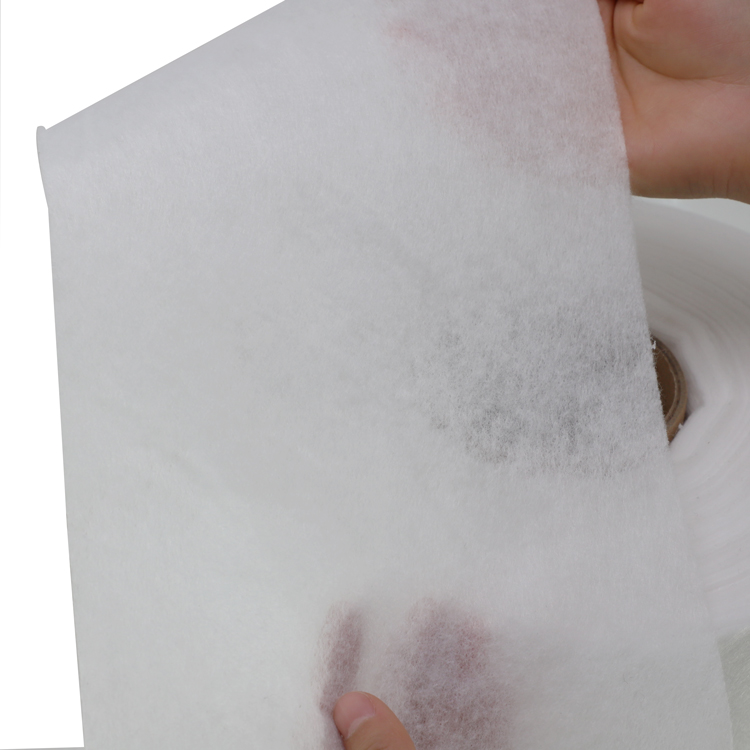
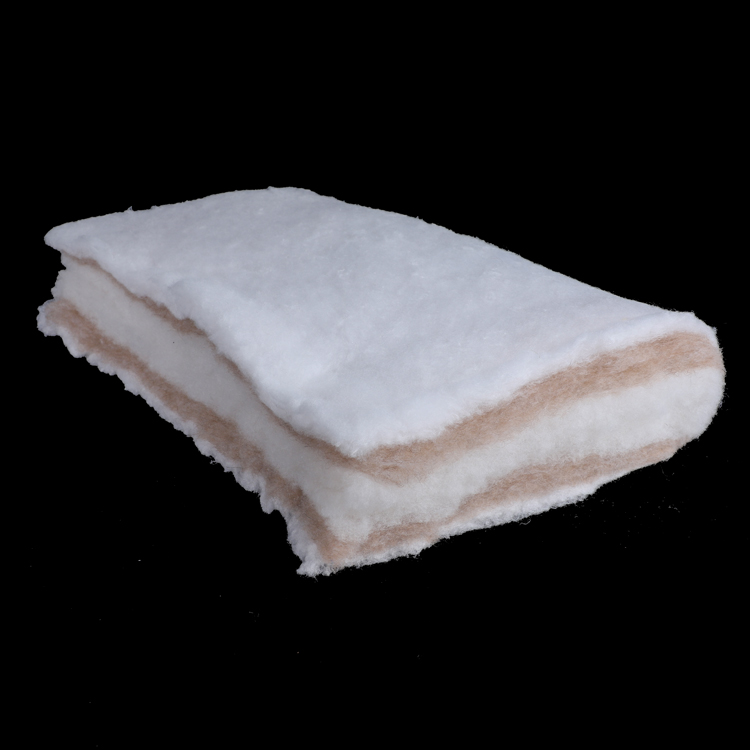
Thermal Bonded Wadding Manufacturer | Hot Air Through Nonwoven Fabric
China thermal bonded wadding manufacturer specializing in hot air through nonwoven fabric. Soft, breathable, high-loft materials with custom GSM, thickness and fiber blends. OEM & ODM.
Custom Thermal Bonded Wadding, Hot Air Cotton & Air Through Nonwoven
Huizhou Jinhaocheng Nonwovens Co., Ltd. is a professional thermal bonded wadding manufacturer and hot air through nonwoven fabric factory in China, specializing in the development and production of thermal bonded nonwoven materials for hygiene, medical, filtration, bedding, apparel, furniture, automotive, insulation, packaging and industrial applications.
Our thermal bonded wadding, also known as hot air cotton, thermal bonded nonwoven, hot air through nonwoven fabric or air through bonded nonwoven, is manufactured by bonding fibers through a controlled thermal bonding process.
Unlike adhesive-bonded materials, thermal bonding uses heat to activate low-melting-point fibers or bonding components within the fiber web, creating bonding points without conventional liquid adhesives.
The resulting material can provide a combination of:
Softness
High loft
Good breathability
Lightweight construction
Resilience
Stable thickness
Low odor
Customizable GSM and thickness
Depending on the raw material and intended application, thermal bonded wadding can be manufactured using polyester, PP, ES fibers, low-melting-point fibers, recycled fibers, PLA and other customized fiber blends.
With more than 20 years of nonwoven manufacturing experience, a 26,000 m² manufacturing facility, more than 15 automated production lines and an annual production capacity of over 10,000 tons, Jinhaocheng provides professional OEM and ODM nonwoven manufacturing solutions for customers in more than 50 countries and regions.
Thermal Bonded Wadding Specifications
| Parameter | Specification |
|---|---|
| Product Type | Thermal Bonded Wadding / Hot Air Cotton / Hot Air Through Nonwoven |
| Material | Polyester / PP / ES Fiber / Low-Melting Fiber / Recycled Fiber / PLA / Blended Fiber |
| Weight | 20–1200 g/m² |
| Common Lightweight Range | 20–120 g/m² |
| Thickness | 1–50 mm |
| Width | 10–500 cm |
| Color | White / Black / Grey / Custom Color |
| Density | Customized |
| Hardness | Soft / Medium / Firm |
| Loft | Low Loft / Medium Loft / High Loft |
| Surface | Plain / Embossed / Customized |
| Form | Roll / Sheet / Cut-to-Size |
| Bonding Method | Thermal Bonding / Hot Air Through Bonding |
| Customization | GSM / Thickness / Width / Fiber Composition / Density / Hardness / Color |
| Packaging | PE Film Roll Packaging / Customized Packaging |
The actual available specification depends on fiber composition, application and production requirements. Please contact us for customized specifications.
What Is Thermal Bonded Wadding?
Thermal bonded wadding is a type of nonwoven material manufactured by bonding fibers together through controlled heat.
During production, fibers are opened, blended and formed into a web. The web is then heated so that the low-melting-point bonding component softens or melts and creates bonding points between the fibers.
In hot air through bonding, heated air passes through the fiber web, activating the bonding fibers throughout the material.
This process creates a lightweight, three-dimensional fiber structure while maintaining good bulk, softness and air permeability.
Unlike spray-bonded wadding, the bonding process does not require conventional liquid adhesive.
The structure can be customized by adjusting:
Fiber type
Fiber ratio
GSM
Thickness
Density
Bonding temperature
Airflow
Production speed
Fiber web structure
As a result, thermal bonded nonwoven can be manufactured for applications ranging from thin breathable hygiene materials to thick high-loft thermal insulation and filling materials.
Thermal Bonded Wadding vs. Hot Air Through Nonwoven
The terms thermal bonded wadding, thermal bonded nonwoven, hot air cotton and hot air through nonwoven fabric are closely related, but their commercial applications can differ.
Thermal Bonded Wadding
This term is commonly associated with soft and lofty materials used for:
Bedding
Quilts
Comforters
Pillows
Mattresses
Furniture
Garment insulation
Automotive padding
Hot Air Through Nonwoven
This term is commonly used for softer and breathable nonwoven materials used in:
Hygiene products
Medical products
Absorbent products
Disposable products
Breathable functional layers
Filtration support layers
Jinhaocheng can customize the material structure according to the actual application rather than limiting the product to a single fixed specification.
How Is Thermal Bonded Wadding Made?
Fiber Selection
We select raw materials according to the required performance and application.
Available fibers include:
Polyester
Polypropylene (PP)
ES fibers
Low-melting-point fibers
Recycled fibers
PLA fibers
Customized fiber blends
2. Fiber Opening
Raw fibers are opened and separated to improve fiber distribution and prepare them for blending.
3. Fiber Blending
Different fibers can be blended in specific ratios.
For example, conventional polyester fibers can be blended with low-melting-point bonding fibers to create a thermally bonded structure.
The fiber ratio can be adjusted to achieve different levels of:
Softness
Loft
Resilience
Strength
Thickness
Density
Cost efficiency
4. Carding and Web Formation
The fibers are carded and formed into a relatively uniform web.
The web weight and fiber distribution are controlled according to the target GSM and product structure.
5. Hot Air Through Thermal Bonding
The fiber web passes through a controlled hot-air bonding process.
Heated air activates the low-melting-point component of the fibers and creates bonding points throughout the web.
This process allows the material to maintain an open, fluffy and breathable structure while providing sufficient dimensional stability.
6. Cooling and Stabilization
The bonded web is cooled and stabilized to help maintain the desired thickness, loft and dimensional stability.
7. Cutting, Rolling and Packaging
The finished material can be supplied in rolls, sheets or customized cut-to-size formats.
Key Features of Thermal Bonded Wadding
Soft and Fluffy
The open fiber structure can provide a soft and fluffy hand feel, making thermal bonded wadding suitable for products that come into contact with skin or require cushioning.
High Loft
The three-dimensional fiber structure provides good bulk relative to its weight.
High-loft structures are suitable for:
Bedding
Pillows
Mattresses
Furniture
Garment insulation
Thermal insulation
Good Breathability
The open fiber structure allows air to pass through the material.
This makes hot air through nonwoven suitable for breathable applications, especially hygiene, medical, textile and insulation products.
Lightweight
Thermal bonded nonwoven can provide substantial volume and thickness without adding excessive weight.
Good Resilience
Depending on fiber composition and structure, thermal bonded wadding can provide good compression recovery and resilience.
This is particularly useful in bedding, furniture and cushioning applications.
Adhesive-Free Thermal Bonding
The bonding process uses heat to activate bonding fibers rather than relying on conventional liquid adhesive.
This can help reduce concerns associated with adhesive residues and solvent-related odors.
Customizable Thickness and GSM
Different GSM and thicknesses can be developed according to the application.
Lightweight materials can be used for hygiene and breathable products, while higher-GSM materials can be developed for bedding, furniture, insulation and cushioning.
Customizable Fiber Composition
Polyester, PP, ES fiber, recycled fiber, PLA and other fiber combinations can be selected according to the required performance.
Applications of Thermal Bonded Wadding
Thermal bonded wadding is a versatile material used across medical, hygiene, filtration, textile, home furnishing, automotive, industrial and agricultural applications.
1. Medical, Hygiene & Protective Products
Medical and hygiene applications are among the most important application areas for hot air through nonwoven materials.
The combination of softness, breathability, lightweight construction and controlled fiber structure makes them suitable for disposable hygiene products and selected medical applications.
Hygiene Products
Hot air through nonwoven can be used as functional layers in:
Baby diapers
Adult incontinence products
Feminine hygiene products
Sanitary napkins
Panty liners
Absorbent products
Depending on the product design, the material can be used as a cover, acquisition/distribution layer, support layer or other functional component.
Its soft surface and open structure can help provide:
Fast liquid transfer
Good breathability
Comfortable skin contact
Low weight
Stable structure
Medical Products
Suitable grades can be developed for:
Medical padding
Wound dressing components
Medical adhesive dressing substrates
Surgical drape components
Protective medical products
Disposable healthcare products
The exact suitability depends on the intended use and applicable medical requirements.
Our ISO 13485 quality management system supports applicable medical nonwoven projects.
Protective Clothing
Thermal bonded nonwoven can be incorporated into:
Protective clothing
Isolation garments
Protective shoe covers
Medical protective products
Thermal protective layers
The material can provide lightweight insulation and structural support.
2. Mask & Respiratory Protection Components
Thermal bonded nonwoven may also be used as a support, cushioning or comfort layer in selected mask constructions.
For certain mask designs, it can help:
Support the filtration structure
Improve three-dimensional stability
Increase wearing comfort
Provide cushioning
Improve softness against the face
However, thermal bonded wadding should not automatically be considered a replacement for meltblown filtration media.
Meltblown material is generally used as the primary fine filtration layer in many high-filtration mask constructions, while thermal bonded materials may serve supporting or comfort functions depending on the design.
For mask applications, the final material structure and filtration performance should be evaluated according to the applicable product standard.
3. Filtration & Air Purification
Thermal bonded nonwoven can be used as a pre-filter, support layer or protective layer in filtration systems.
Its relatively open structure can provide high air permeability and low pressure drop.
Applications include:
Air conditioner filters
Automotive cabin air filters
Air purifier pre-filters
Vacuum cleaner filter components
Industrial pre-filtration
Paint spray booth filtration
Filter support layers
Range hood filter materials
Pre-Filtration Applications
Thermal bonded nonwoven can be particularly useful as a pre-filter because its open structure can capture larger particles and help protect finer downstream filtration media.
It can therefore be used together with other filter materials rather than replacing high-efficiency filtration media.
4. Clothing & Thermal Insulation
Thermal bonded wadding is widely used as a lightweight filling and insulating material for apparel.
Applications include:
Down jackets
Winter coats
Quilted jackets
Thermal vests
Ski clothing
Outdoor clothing
Sleeping bags
Workwear
Protective clothing
Different GSM and thicknesses can be developed according to the desired warmth, weight and loft.
5. Bedding & Home Textiles
Thermal bonded wadding is widely used in home textile products.
Applications include:
Quilts
Comforters
Blankets
Mattress padding
Mattress layers
Pillow filling
Cushion filling
Bedspreads
Sofa padding
The high-loft fiber structure provides volume, softness and cushioning.
6. Mattress & Furniture
Thermal bonded wadding can be used as a padding or cushioning layer in:
Mattresses
Sofa cushions
Chairs
Upholstered furniture
Furniture backing
Mattress covers
Upholstery products
Different densities, thicknesses and hardness levels can be developed for different comfort requirements.
7. Shoe Materials
Thermal bonded wadding can also be used in footwear products requiring lightweight insulation and cushioning.
Applications include:
Snow boots
Winter shoes
Thermal insoles
Shoe lining
Work shoes
Safety footwear
Its lightweight structure can provide warmth and cushioning without significantly increasing product weight.
8. Baby & Personal Care Products
Because suitable thermal bonded nonwoven grades can provide softness and breathability, they can be used in products designed for sensitive or frequent skin contact.
Potential applications include:
Baby changing mats
Baby crawling mat layers
Nursing pads
Wet wipe composite materials
Feminine hygiene products
Personal care products
Baby textile products
For products intended for direct skin contact, the appropriate raw materials and applicable testing requirements should be confirmed before production.
9. Industrial & Packaging Cushioning
The high-loft and resilient structure of thermal bonded wadding can provide lightweight cushioning and protective properties.
Applications include:
Electronics packaging
Mobile phone packaging
Tablet packaging
Glass protection
Ceramic packaging
Furniture corner protection
Fragile product packaging
Transportation cushioning
It can be supplied in rolls, sheets or customized die-cut shapes.
10. Automotive Interior Materials
Thermal bonded nonwoven can be used in various automotive interior components.
Applications include:
Automotive headliners
Door panels
Trunk lining
Carpet underlay
Seat padding
Interior insulation
Sound absorption layers
Cushioning layers
Our IATF 16949 quality management certification supports our ability to serve automotive-related customers.
11. Sound & Thermal Insulation
The fibrous structure of thermal bonded wadding can provide useful acoustic and thermal insulation characteristics.
Applications include:
Building insulation
Automotive insulation
Furniture insulation
Sound absorption
Thermal insulation
Equipment insulation
Material thickness, density and fiber composition can be adjusted according to the required performance.
12. Household & Cleaning Products
Thermal bonded nonwoven can also be incorporated into household products.
Potential applications include:
Cleaning cloth absorbent layers
Kitchen cleaning products
Dishwashing cloth composite layers
Pet pads
Pet bedding
Pet house filling
Wall covering backing
Wallpaper backing
When absorbency is required, suitable hydrophilic fibers or absorbent fiber blends can be incorporated into the material structure.
13. Agriculture & Specialty Applications
Customized thermal bonded nonwoven materials can also be developed for agricultural and specialty applications.
Potential applications include:
Agricultural insulation covers
Seedling protection
Frost protection
Crop covering
Biodegradable agricultural materials
Seed carrier materials
Cable filling materials
Optical fiber cable components
Water-blocking tape components
For biodegradable applications, materials such as PLA or other biodegradable fibers can be evaluated according to the required product performance and environmental standards.
Thermal Bonded Wadding vs. Other Nonwoven Materials
| Feature | Thermal Bonded Wadding | Spray-Bonded Wadding | Meltblown Nonwoven | Needle Punched Nonwoven |
|---|---|---|---|---|
| Bonding Method | Thermal bonding | Adhesive bonding | Thermal extrusion / meltblown | Mechanical needle punching |
| Softness | High | Medium | Medium to Low | Medium to High |
| Breathability | High | Medium | Application-dependent | Medium to High |
| Loft | High | Medium to High | Low | Medium to High |
| Adhesive Required | No conventional liquid adhesive | Yes | No | No |
| Typical GSM | Lightweight to high loft | Lightweight to high loft | Usually lightweight | Lightweight to heavy |
| Typical Applications | Hygiene, bedding, clothing, furniture, insulation | Wadding, bedding, furniture | Fine filtration | Flooring, filtration, automotive, geotextile, protection |
| Main Advantage | Soft, lofty, breathable and customizable | Flexible cushioning | Fine filtration | Strong, thick and durable |
Actual performance depends on fiber composition, GSM, thickness, density and production process.
How to Choose the Right Thermal Bonded Wadding
When selecting thermal bonded wadding, the following parameters should be considered.
1. GSM
GSM determines the weight of the material and strongly affects thickness, loft and final product performance.
Typical lightweight applications may use approximately 20–120 g/m², while higher-GSM materials can be developed for bedding, furniture, insulation and industrial applications.
2. Thickness
Typical thickness can range from approximately 1–50 mm, depending on fiber composition and structure.
3. Fiber Composition
Common options include:
Polyester
PP
ES fiber
Low-melting-point fiber
Recycled fiber
PLA
Customized blends
4. Width
Standard and customized widths can be produced according to the customer's equipment and finished product dimensions.
5. Density
Density influences:
Loft
Compression
Resilience
Air permeability
Thermal insulation
Cushioning performance
6. Hardness
Different applications require different levels of firmness.
We can develop:
Soft
Medium
Firm
Dense
structures according to the application.
7. Functional Requirements
Depending on the project, additional requirements may include:
Flame retardancy
Breathability
Sound absorption
Thermal insulation
Absorbency
Recycled content
Degradability
Antistatic properties
Antibacterial properties
Functional performance should be evaluated according to the intended application and applicable testing standards.
Custom Thermal Bonded Wadding
Every customer has different requirements.
Jinhaocheng provides customized thermal bonded wadding according to:
Fiber Composition
Polyester, PP, ES fiber, low-melting-point fiber, recycled fiber, PLA and customized blends.
GSM
Customized weight according to application and production requirements.
Thickness
From lightweight thin nonwoven to thick high-loft wadding.
Width
Customized roll width and slit width are available.
Density
Density can be adjusted according to the required loft, resilience and performance.
Hardness
Soft, medium and firm structures can be developed.
Color
White, black, grey and customized colors are available.
Surface
Plain, embossed and other customized surface treatments can be developed.
Roll or Sheet
Products can be supplied in:
Rolls
Sheets
Cut-to-size pieces
Customized finished dimensions
Functional & Specialty Thermal Bonded Nonwoven
In addition to standard thermal bonded wadding, we can evaluate customized functional materials for specific applications.
Potential functional requirements include:
Flame Retardant
Suitable materials can be developed for applications requiring improved flame-retardant performance.
Breathable
Open fiber structures can be designed for applications requiring good air permeability.
Sound Absorbing
Specific fiber structures and thicknesses can be developed for acoustic applications.
Absorbent
Hydrophilic fibers and customized fiber blends can be used for absorbent applications.
Recycled
Recycled fiber content can be incorporated into applicable products.
Our GRS certification supports applicable recycled-material projects.
Biodegradable
PLA and other biodegradable fibers can be considered for products requiring biodegradable material options.
The actual biodegradability and certification depend on the raw materials, product structure and applicable standards.
Quality Certifications & International Standards
Jinhaocheng has obtained or supports a range of internationally recognized certifications and standards.
Our certifications and compliance capabilities include:
OEKO-TEX® STANDARD 100
ISO 9001
ISO 13485
ISO 14001
ISO 45001
IATF 16949
GRS – Global Recycled Standard
BSCI
UL 94
REACH
RoHS
These certifications support our manufacturing capabilities across medical, automotive, environmental, industrial, textile and consumer applications.
Specific certification applicability depends on the product, raw material, production process and intended use.
Product Testing & Inspection Capabilities
We can provide or support product testing and inspection for various functional requirements, including:
Flame retardancy
Soundproof / acoustic performance
Breathability
EN 13130 food-contact related testing
Degradability
Customized product performance requirements
For projects with specific testing requirements, customers can provide the required standard, test method or technical specification for evaluation.
More Than 20 Patented Inventions
Innovation is an important part of Jinhaocheng's development.
We have obtained more than 20 patented inventions related to nonwoven materials, manufacturing technologies and product development.
Our R&D capabilities allow us to continuously improve:
Fiber structures
Bonding technologies
Material performance
Production efficiency
Product consistency
Functional nonwoven materials
Customized solutions
Why Choose Jinhaocheng Thermal Bonded Wadding?
More Than 20 Years of Nonwoven Manufacturing Experience
The history of Jinhaocheng began more than 20 years ago.
Our founder, Mr. Tong Zuohui, started his career in nonwoven fabric R&D and manufacturing from a small workshop.
He led a team of experienced craftsmen in OEM production of nonwoven fabric for branded electric blankets.
Through high-quality products and reliable service, the company quickly gained market recognition.
In 2005, Mr. Tong Zuohui established Huizhou Jinhaocheng Nonwovens Co., Ltd.
Since then, we have continued to expand our production capabilities, product portfolio and international customer base.
Today, Jinhaocheng operates more than 15 automated nonwoven production lines and has an annual production capacity exceeding 10,000 tons.
26,000 m² Manufacturing Facility
Our factory is located in Huiyang District, Huizhou City, Guangdong Province, China, with a plant area of approximately 26,000 square meters.
Our production capabilities include:
Needle punched nonwoven lines
Hot air through / thermal bonding lines
Meltblown fabric lines
Lamination lines
Cutting machines
Rolling and slitting machines
Customized converting equipment
The combination of different nonwoven technologies allows us to provide a broad range of materials under one integrated manufacturing system.
15+ Automated Production Lines
Our factory is equipped with more than 15 large automated nonwoven production lines.
Annual production capacity exceeds 10,000 tons.
Our manufacturing capacity allows us to support:
Sample development
Small trial orders
Regular bulk production
Large-volume OEM projects
Customized material development
Integrated Quality Control
We control the production process from raw materials to finished products.
Our integrated process includes:
Raw Materials → Fiber Opening → Blending → Carding → Web Formation → Thermal Bonding → Cooling → Finishing → Inspection → Rolling / Cutting → Packaging
This integrated approach allows us to maintain better control over:
Raw material consistency
GSM
Thickness
Width
Density
Appearance
Production stability
Finished-product quality
Our goal is to help customers achieve stable product quality and reliable long-term supply.
Serving Customers in 50+ Countries and Regions
Our products are exported to customers in more than 50 countries and regions worldwide.
Our nonwoven materials are used across:
Building construction
Home renovation
Medical
Hygiene
Automotive
Furniture
Clothing
Footwear
Industrial manufacturing
Agriculture
Animal husbandry
Air filtration
Water filtration
Oil filtration
Environmental protection
We also provide OEM services for major brands and customers, including projects associated with BYD, Walmart, IKEA and Disney.
Our Main Nonwoven Products
Thermal bonded wadding is one of our major nonwoven product categories.
Our broader product portfolio includes:
Needle punched nonwoven fabric
Thermal bonded wadding
Hot air through nonwoven fabric
Floor protection pads
Medical nonwoven materials
Absorbent felt
Sound insulation materials
Flame-retardant nonwoven
Meltblown fabric
Filter cloth
Automotive upholstery materials
Cleaning cloth
Laminated fabrics
Biodegradable nonwoven fabric
This allows customers to source multiple nonwoven products from one experienced factory.
OEM & ODM Thermal Bonded Wadding Manufacturer
We provide professional OEM and ODM services for thermal bonded wadding and hot air through nonwoven products.
Customers can provide:
Samples
Technical drawings
GSM requirements
Thickness requirements
Fiber composition
Application requirements
Performance targets
Finished-product dimensions
Our technical team can assist with:
Material selection
Fiber composition
Product development
Sample production
Specification adjustment
Mass production
Whether you need a standard thermal bonded wadding or a customized nonwoven material, we can develop a suitable production solution based on your requirements.
Our Mission
Our mission is:
“To help customers succeed and surpass ourselves, striving to be a trusted enterprise.”
We believe that long-term cooperation is built on:
Consistent quality
Reliable production
Technical capability
Flexible customization
Professional service
Continuous improvement
With more than 20 years of manufacturing experience, advanced production capabilities, international certifications, more than 20 patented inventions and customers in more than 50 countries and regions, Jinhaocheng continues to develop reliable nonwoven solutions for global customers.
Frequently Asked Questions
What is thermal bonded wadding?
Thermal bonded wadding is a nonwoven material made by bonding fibers together using controlled heat. It is commonly used in bedding, clothing, furniture, hygiene products, automotive interiors, insulation and other applications.
What is hot air through nonwoven fabric?
Hot air through nonwoven fabric is produced by passing heated air through a fiber web to activate the bonding component. The process creates a soft, lofty and breathable nonwoven structure.
Is thermal bonded wadding the same as hot air cotton?
In many markets, thermal bonded wadding, hot air cotton and thermal bonded nonwoven are used to describe closely related thermal-bonded fiber materials. The exact structure depends on the fiber composition, GSM, thickness and production process.
What materials can be used?
Common materials include polyester, PP, ES fiber, low-melting-point fiber, recycled fiber, PLA and customized fiber blends.
What is thermal bonded wadding used for?
It can be used for:
Baby diapers
Feminine hygiene products
Medical products
Filtration pre-filters
Clothing insulation
Quilts
Comforters
Mattresses
Pillows
Furniture
Automotive interiors
Shoe materials
Packaging cushioning
Sound and thermal insulation
Agricultural applications
Can thermal bonded wadding be used for masks?
It can be used as a support, cushioning or comfort layer in certain mask constructions. However, it should not automatically be considered a replacement for meltblown filtration media. Final performance must be evaluated according to the mask design and applicable standard.
Can you produce high-loft thermal bonded wadding?
Yes. High-loft materials can be developed for bedding, pillows, mattresses, furniture, clothing insulation and other applications.
Can you produce lightweight hot air through nonwoven?
Yes. Lightweight hot air through nonwoven can be developed for hygiene, medical, breathable and other applications requiring soft and lightweight materials.
Can thermal bonded wadding be made from recycled fibers?
Yes. Recycled fibers can be incorporated into suitable thermal bonded nonwoven products. Our GRS certification supports applicable recycled-content projects.
Can you produce biodegradable thermal bonded nonwoven?
Yes. PLA and other biodegradable fibers can be evaluated for suitable applications. The final biodegradability and certification depend on the selected raw material and product requirements.
Can the GSM and thickness be customized?
Yes. GSM, thickness, width, density, hardness, loft, fiber composition and color can all be customized according to the application.
Do you provide OEM and ODM services?
Yes. We provide professional OEM and ODM manufacturing services based on samples, drawings, technical specifications or application requirements.
Can you provide samples?
Yes. Samples can be provided or developed according to the required specification.
What is the MOQ?
MOQ depends on the material, specification, customization requirements and order quantity. Contact us with your requirements for a specific quotation.
Request a Thermal Bonded Wadding Quote
Looking for a reliable thermal bonded wadding manufacturer or hot air through nonwoven fabric factory in China?
Whether you need:
Thermal Bonded Wadding
Hot Air Cotton
Hot Air Through Nonwoven Fabric
Thermal Bonded Polyester Wadding
High-Loft Wadding
Quilting Wadding
Mattress Wadding
Pillow & Cushion Wadding
Automotive Thermal Bonded Nonwoven
Hygiene Hot Air Through Nonwoven
Filtration Pre-Filter Nonwoven
or a completely customized thermal bonded nonwoven material, Jinhaocheng can provide professional OEM and ODM manufacturing support.
Please send us:
Material
Application
GSM
Thickness
Width
Fiber composition
Color
Hardness
Loft
Required performance
Estimated quantity
Our technical and sales team will evaluate your requirements and recommend a suitable material structure and production solution.
Contact Huizhou Jinhaocheng Nonwovens Co., Ltd. today for samples, technical specifications and a customized quotation.