
Hot Products
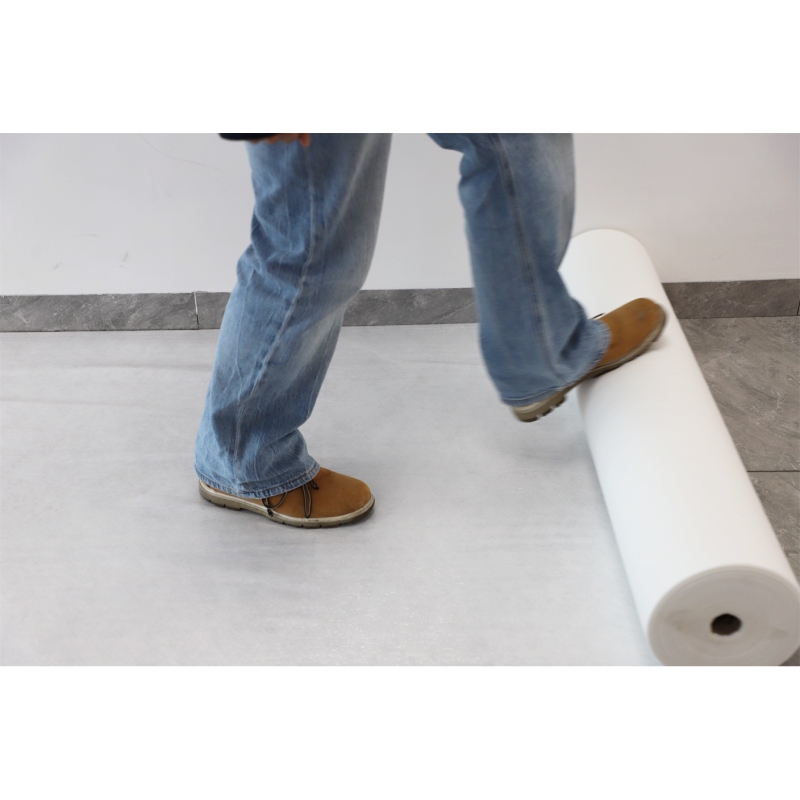
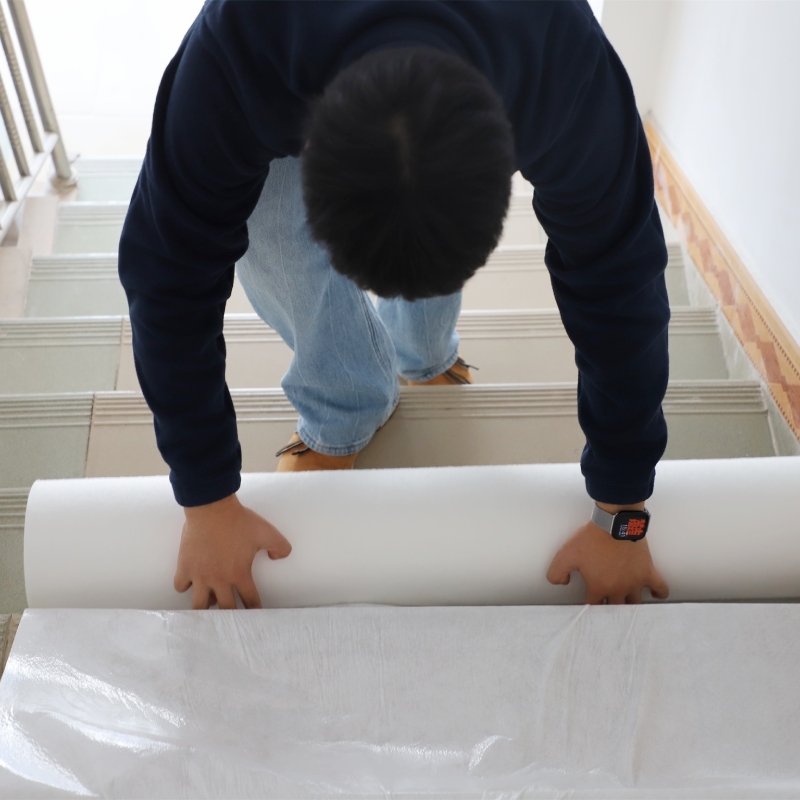
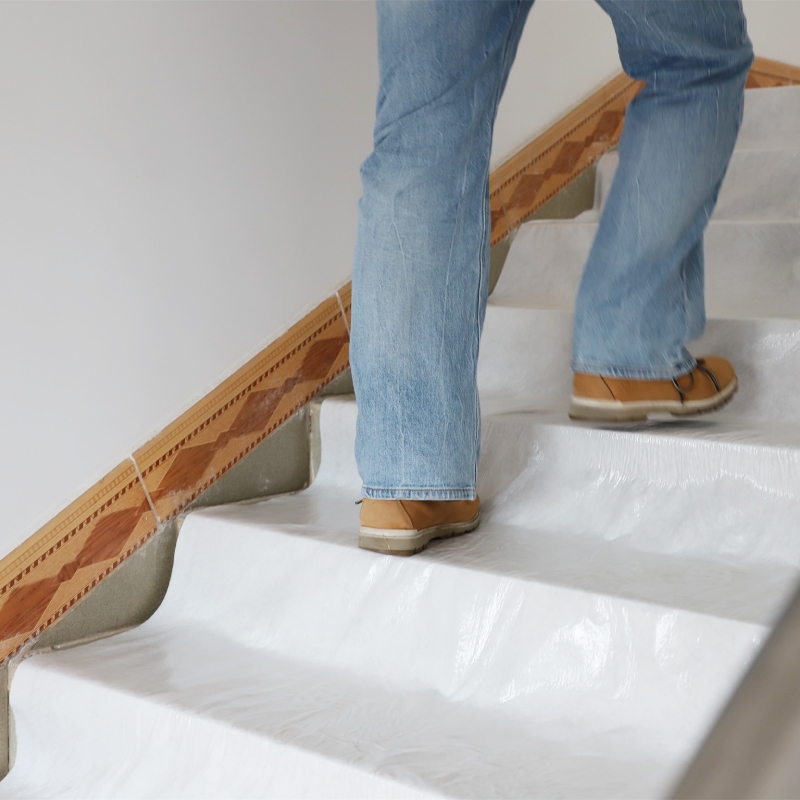
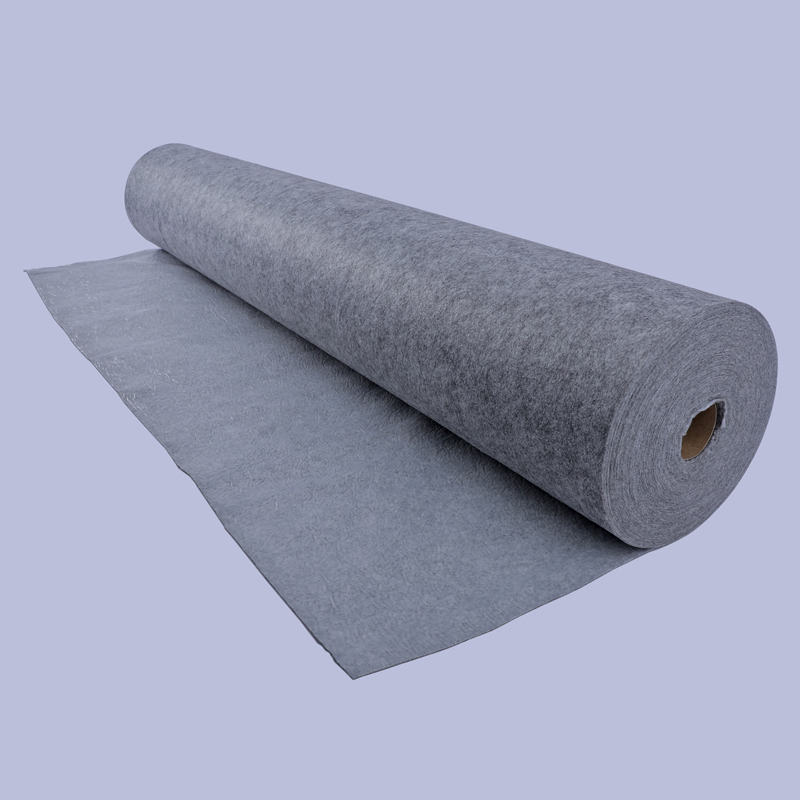
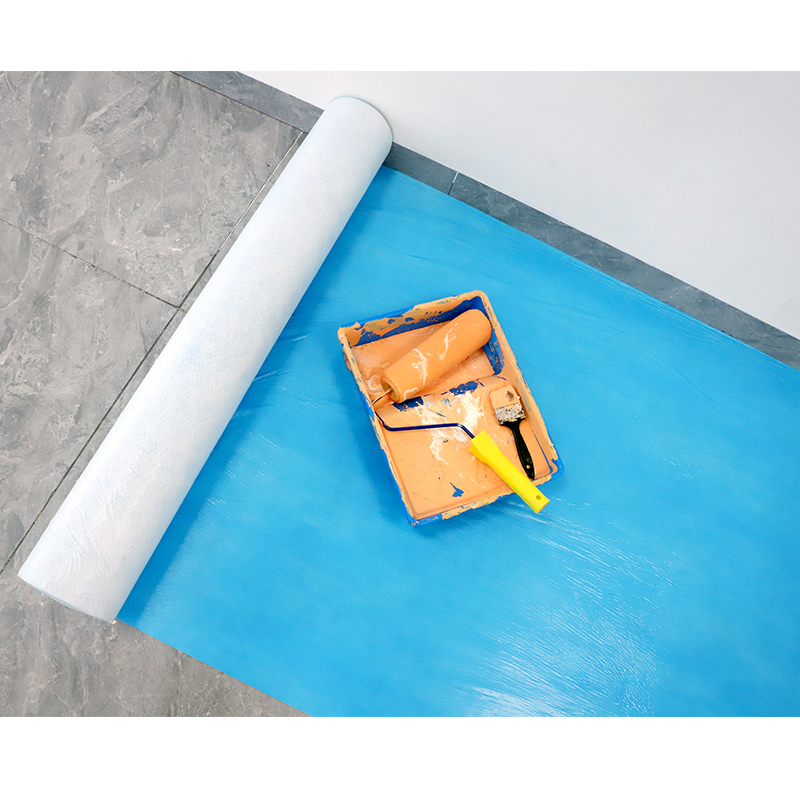
Needle Punched Felt
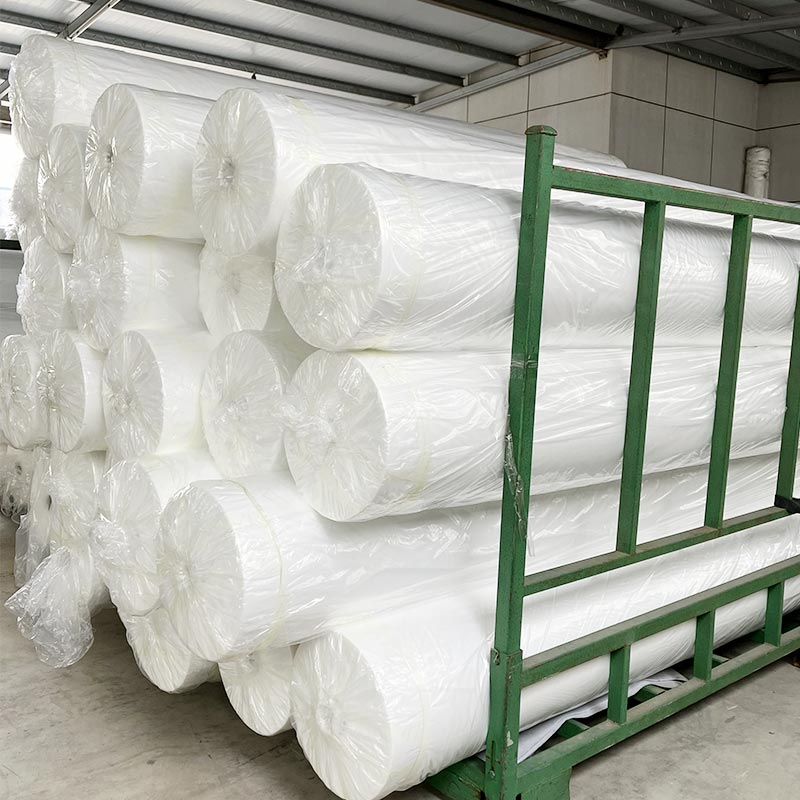
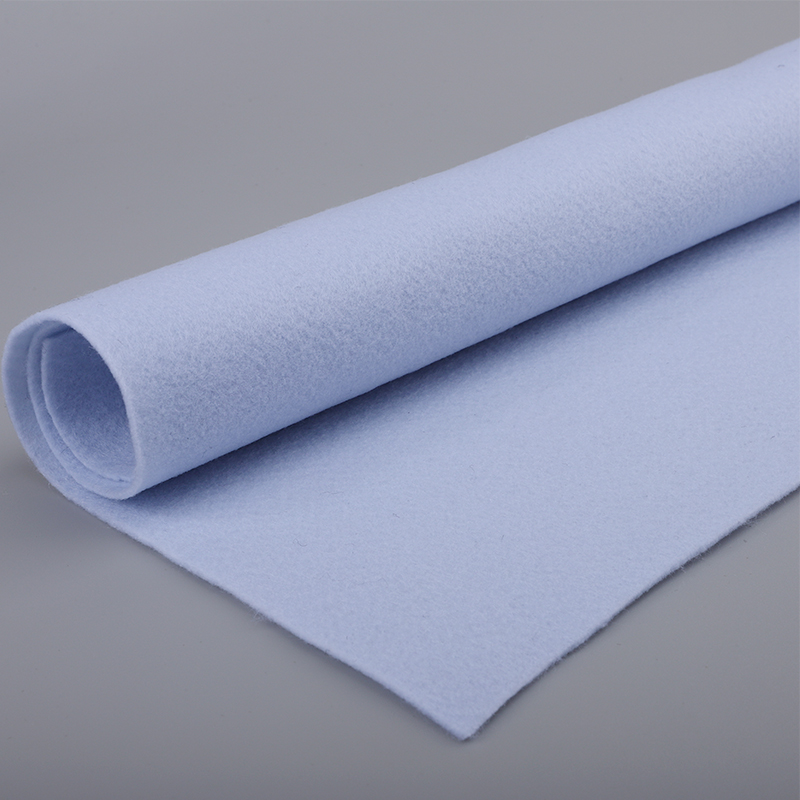
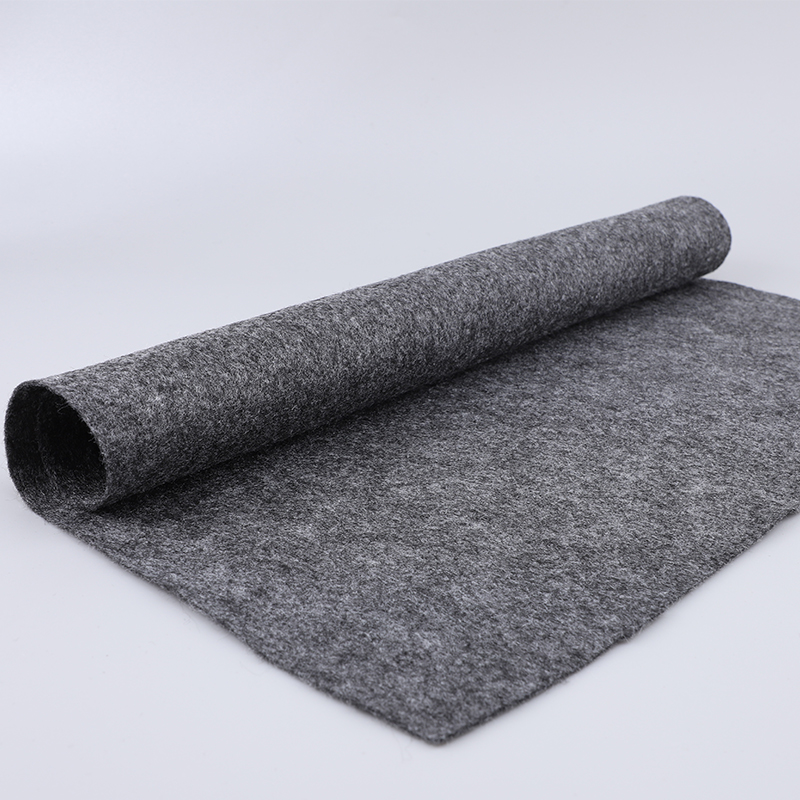
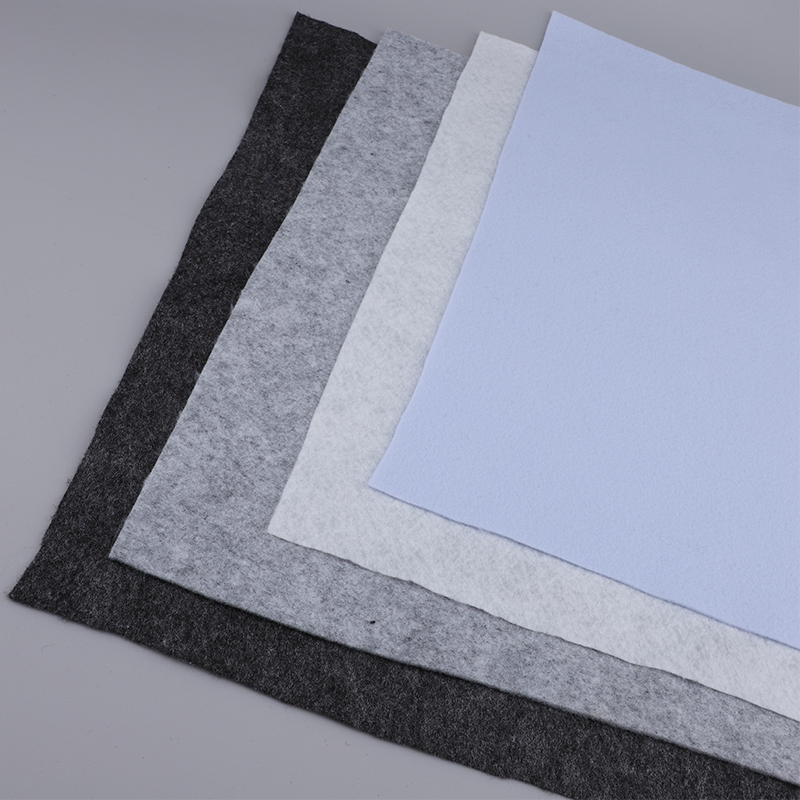
Needle Punched Nonwoven Geotextile Fabric | PET PP Staple Fiber 100-800 GSM
Needle punched nonwoven geotextile fabric made from PET or PP staple fibers, available in 100-800 GSM for drainage, filtration, separation and road construction.
Needle Punched Nonwoven Geotextile Fabric
Our needle punched nonwoven geotextile fabric is manufactured from high-quality polyester (PET) or polypropylene (PP) staple fibers through carding, web forming and mechanical needle punching. The interconnected three-dimensional fiber structure provides a combination of permeability, filtration, separation, drainage and protection for civil engineering and geotechnical applications.
Available in a wide range of weights from 100 to 800 GSM, the geotextile can be customized according to project requirements for thickness, width, weight, material, color and roll length.
It is widely used in road construction, highways, railways, drainage systems, retaining walls, landscaping, foundation engineering, erosion control and other civil engineering projects.
Key Functions of Nonwoven Geotextile
1. Filtration
The porous needle-punched structure allows water to pass through while helping retain soil particles and fine materials.
This makes nonwoven geotextile suitable for:
- Drainage pipe wrapping
- French drain systems
- Retaining wall drainage
- Foundation drainage
- Subsurface drainage
- Road drainage systems
- Soil and water filtration
The filtration and permeability characteristics are among the main reasons needle-punched nonwoven geotextiles are widely used in drainage applications.
2. Drainage
The interconnected fiber structure creates continuous voids through the fabric, allowing excess water to move through the geotextile.
It can be used as a drainage layer in:
- Roads and highways
- Foundations
- Retaining walls
- Landfills
- Drainage trenches
- Underground drainage systems
- Landscape drainage
- Civil engineering projects
For drainage applications, the appropriate GSM and permeability should be selected according to soil conditions, water flow requirements and project design.
3. Soil Separation
Nonwoven geotextile helps separate different layers of soil, sand, gravel and aggregate while allowing water to pass through.
For example, it can be installed between:
Soil → Geotextile → Aggregate
to help reduce the mixing of fine soil particles with the aggregate layer.
This function is particularly important in road and foundation construction where separation between subgrade and aggregate is required.
4. Protection
The flexible felt-like structure can also act as a cushioning and protective layer between soil, aggregate and other geosynthetic materials.
Typical applications include:
- Geomembrane protection
- Waterproofing system protection
- Landfill liner protection
- Foundation protection
- Tunnel waterproofing protection
Underground engineering
PET vs PP Nonwoven Geotextile
We can manufacture nonwoven geotextiles using polyester (PET) or polypropylene (PP) staple fibers, depending on the requirements of the application.
| Material | Polyester (PET) | Polypropylene (PP) |
|---|---|---|
| Material type | Polyester staple fiber | Polypropylene staple fiber |
| Structure | Needle-punched nonwoven | Needle-punched nonwoven |
| Main properties | High strength, flexibility, dimensional stability | Lightweight, chemical resistance, good permeability |
| Typical applications | Road, railway, slope, hydraulic and heavy-duty projects | Drainage, filtration, separation, landscaping and civil engineering |
| Weight | 100-800 GSM | 100-800 GSM |
| Customization | Available | Available |
PET and PP are both widely used for needle-punched nonwoven geotextiles, but the appropriate material should be selected according to the project environment and required mechanical/hydraulic properties.
Available GSM
Our needle punched nonwoven geotextile can be supplied in different weights according to the required application.
100-200 GSM
Suitable for relatively lightweight filtration, drainage and separation applications.
200-400 GSM
Suitable for general civil engineering, drainage, landscaping, road construction and soil separation applications.
400-600 GSM
Suitable for applications requiring higher mechanical strength, puncture resistance and protection.
600-800 GSM
Suitable for heavier-duty civil engineering and geotechnical applications where greater thickness and mechanical performance are required.
GSM selection should be based on the actual project requirements rather than weight alone.
Applications
Road & Highway Construction
Needle punched geotextile can be installed between the subgrade and aggregate layers to provide separation, filtration and drainage.
Typical applications include:
- Highway construction
- Road base stabilization
- Rural roads
- Pavement construction
- Road widening
- Temporary roads
- Soft soil foundation treatment
Needle-punched geotextiles are commonly used in highway engineering because their flexible fiber structure can conform to uneven ground while providing filtration, drainage and separation.
Drainage Systems
Geotextile filter fabric is widely used around drainage materials and perforated pipes.
Typical applications:
- French drains
- Perforated pipe wrapping
- Foundation drains
- Retaining wall drainage
- Drainage trenches
- Underground drainage
Landscape drainage
Railway Engineering
Nonwoven geotextile can be used in railway subgrade and drainage systems for separation, filtration and protection.
Retaining Walls
Installed behind retaining walls, geotextile filter fabric can help separate soil from drainage aggregate while allowing water to pass through.
Landscaping & Paving
Applications include:
- Paver base separation
- Walkways
- Garden drainage
- Landscape construction
- Gravel paths
Parking areas
Hydraulic & Environmental Engineering
Depending on the specification, nonwoven geotextile can be used in:
- Dams
- Reservoirs
- Canals
- Drainage channels
- Erosion control
- Landfill systems
- Wastewater-related infrastructure
Coastal engineering
Manufacturing Process
Our needle-punched nonwoven geotextile is produced through a mechanical fiber-entanglement process.
Raw Fiber
PET or PP staple fibers are selected according to the required product specification.
↓
Fiber Opening & Blending
The fibers are opened and blended to achieve a more uniform fiber distribution.
↓
Carding & Web Formation
The fibers are carded and formed into a uniform nonwoven web.
↓
Needle Punching
Barbed needles mechanically entangle the fibers to form a stable three-dimensional nonwoven structure.
↓
Finishing & Inspection
The fabric is inspected according to the specified GSM, width, thickness and performance requirements.
↓
Roll Packing
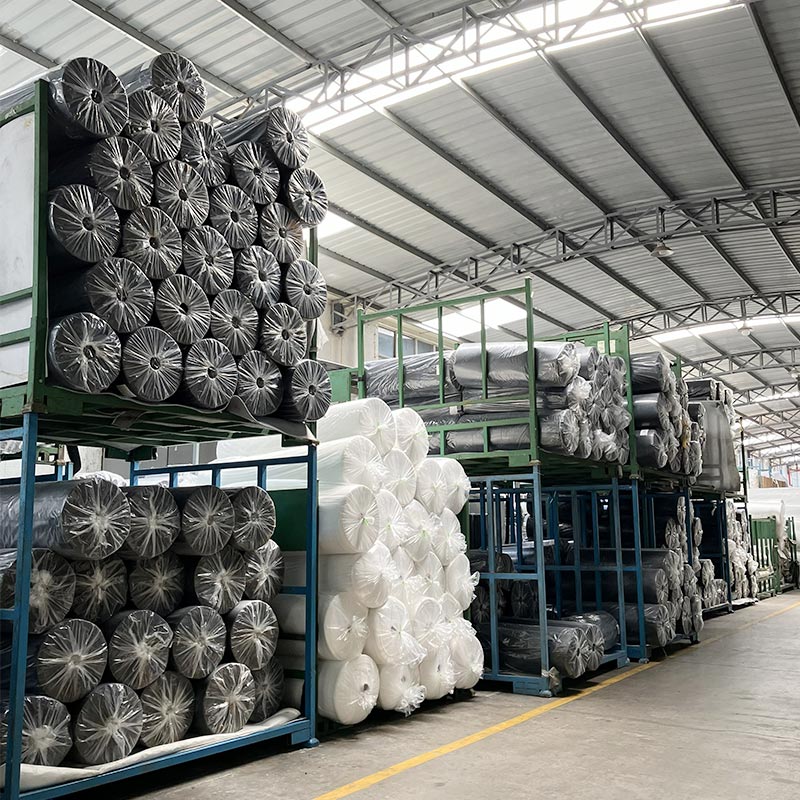
The finished geotextile is supplied in rolls or customized formats according to customer requirements.
The needle-punching process is particularly important because the mechanically entangled fibers create the characteristic porous structure used for filtration, drainage and separation.
Custom Nonwoven Geotextile Manufacturer
As a needle punched nonwoven manufacturer in China, Jinhaocheng can provide customized geotextile solutions for different applications.
Customization Options
Material
- Polyester (PET)
- Polypropylene (PP)
- Other fiber blends upon request
Weight
- 100 GSM
- 150 GSM
- 200 GSM
- 250 GSM
- 300 GSM
- 400 GSM
- 500 GSM
- 600 GSM
- 800 GSM
- Custom GSM
Width
Custom width available according to production requirements.
Roll Length
Custom roll length available.
Color
White, black, gray and other colors according to requirements.
Packaging
Standard roll packaging or customized export packaging.
Why Choose Jinhaocheng Nonwoven?
Factory Direct Supply
We manufacture nonwoven materials directly and support bulk OEM/ODM orders.
Flexible Specifications
Material, GSM, width, roll length and other specifications can be customized according to project requirements.
Large-Scale Production
Jinhaocheng Nonwovens operates a large-scale production facility in Huizhou, Guangdong, China, with multiple automatic nonwoven production lines and an annual production capacity of more than 10,000 tons.
Export Experience
Our nonwoven products are supplied to customers in more than 50 countries and regions.
Multiple Nonwoven Applications
In addition to geotextile materials, we manufacture different needle-punched and thermal-bonded nonwoven materials for construction, automotive, acoustic, filtration, protection and other applications.
Technical Specifications
| Item | Specification |
|---|---|
| Product | Needle Punched Nonwoven Geotextile |
| Material | PET / Polyester or PP / Polypropylene Staple Fiber |
| Manufacturing Process | Needle Punched |
| Weight | 100-800 GSM |
| Structure | Nonwoven |
| Color | White / Black / Gray / Customized |
| Width | Customized |
| Roll Length | Customized |
| Main Functions | Filtration, Drainage, Separation, Protection |
| Applications | Roads, Highways, Railways, Drainage, Retaining Walls, Landscaping, Civil Engineering |
| Packaging | Roll Packaging |
| OEM/ODM | Available |
Note: Actual mechanical and hydraulic performance varies according to material, GSM, thickness, needle-punching density and other production parameters. Specific technical data can be provided according to the required specification.
Frequently Asked Questions
What is needle punched nonwoven geotextile?
Needle punched nonwoven geotextile is a permeable geosynthetic fabric made by mechanically entangling PET or PP staple fibers through a needle-punching process. It is mainly used for filtration, drainage, separation and protection in civil engineering projects.
What is nonwoven geotextile used for?
Nonwoven geotextile is commonly used for road construction, drainage systems, soil separation, retaining walls, railway subgrades, landscaping, foundation drainage, erosion control and other geotechnical applications.
What is the difference between PET and PP geotextile?
PET and PP are both commonly used geotextile materials. Their mechanical, chemical and environmental properties are different, so the appropriate material should be selected according to the engineering environment and performance requirements.
What GSM geotextile should I use?
The appropriate GSM depends on the application, soil conditions, loading, required filtration and drainage performance, puncture resistance and project specifications. We can recommend a suitable specification based on your application requirements.
Can you customize the geotextile?
Yes. We can customize the material, GSM, width, roll length, color and other specifications according to customer requirements.
Can I order geotextile in bulk?
Yes. We supply nonwoven geotextile fabric in rolls for wholesale, OEM and large-volume civil engineering projects.
Contact us to obtain free samples and get a consultation and quotation.
