Why Is Wool Blend Felt the Preferred Material for Premium Insoles?
Fiber Solutions
In the footwear industry, a high-quality insole does much more than provide cushioning. It directly influences comfort, thermal insulation, moisture management, durability and overall product value. For footwear manufacturers, insole brands, importers and wholesalers, selecting the right felt material is far more important than simply comparing prices.
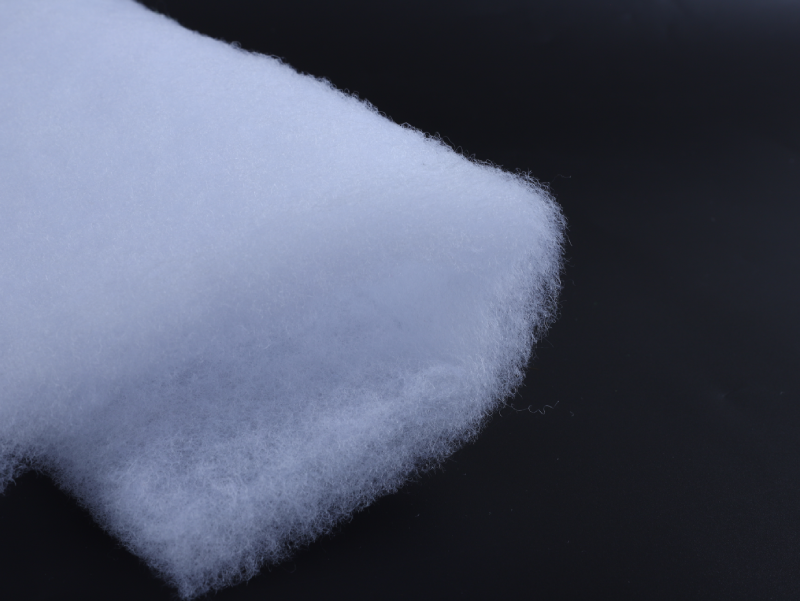
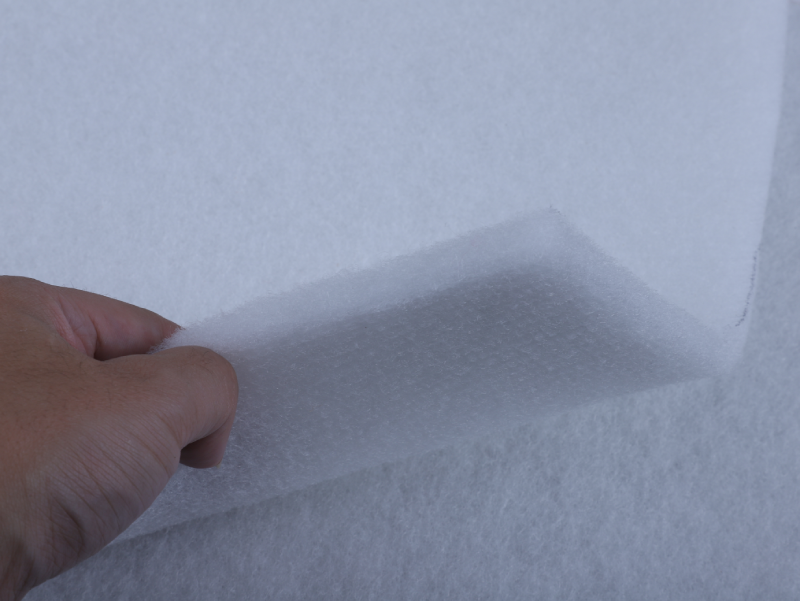
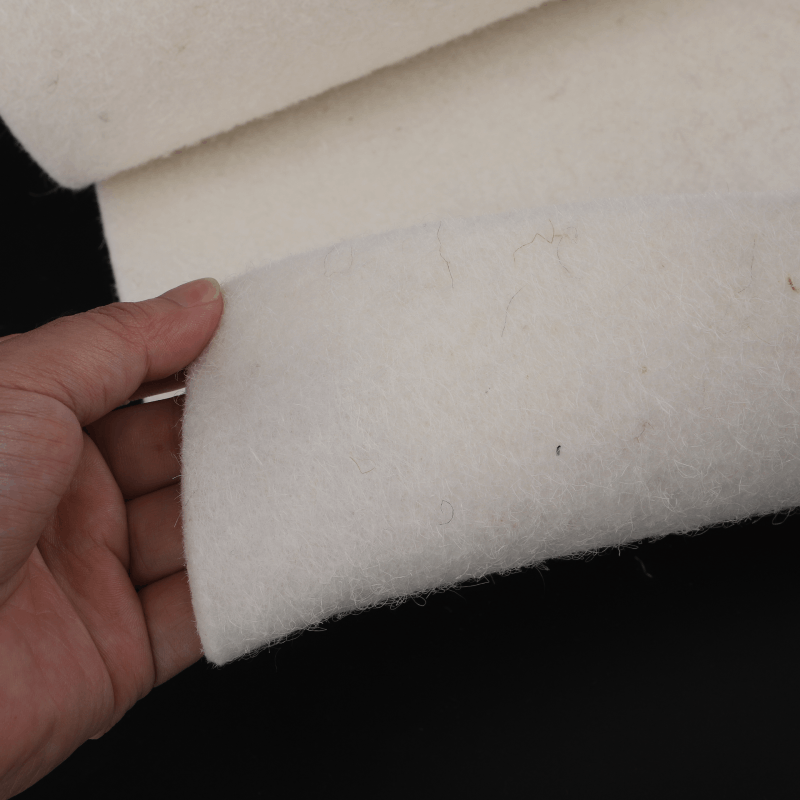
Today, more premium insoles are being developed with wool blend needle punched felt as the core material. Instead of using 100% coarse wool, manufacturers often blend wool with polyester, viscose or bamboo fibers to improve carding performance, structural stability and large-scale manufacturing consistency.
This blended construction preserves the natural warmth and softness of wool while providing better processability and more flexible product development.
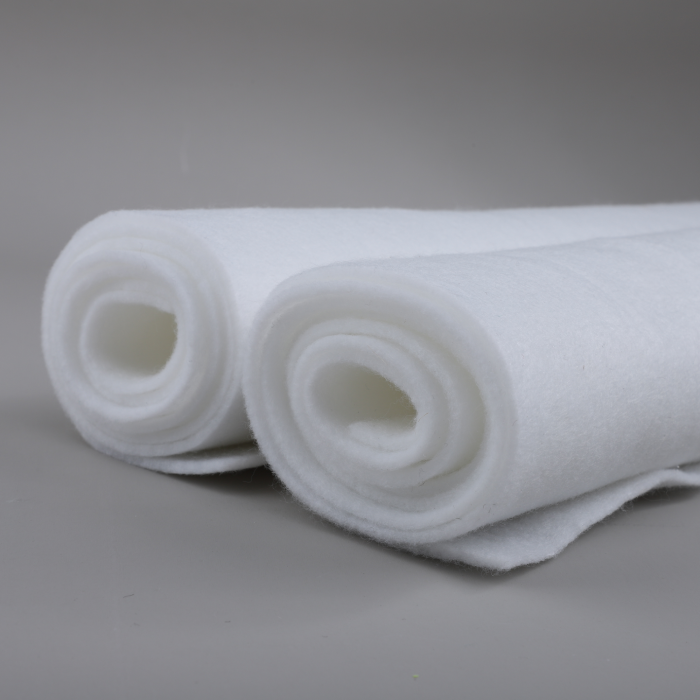
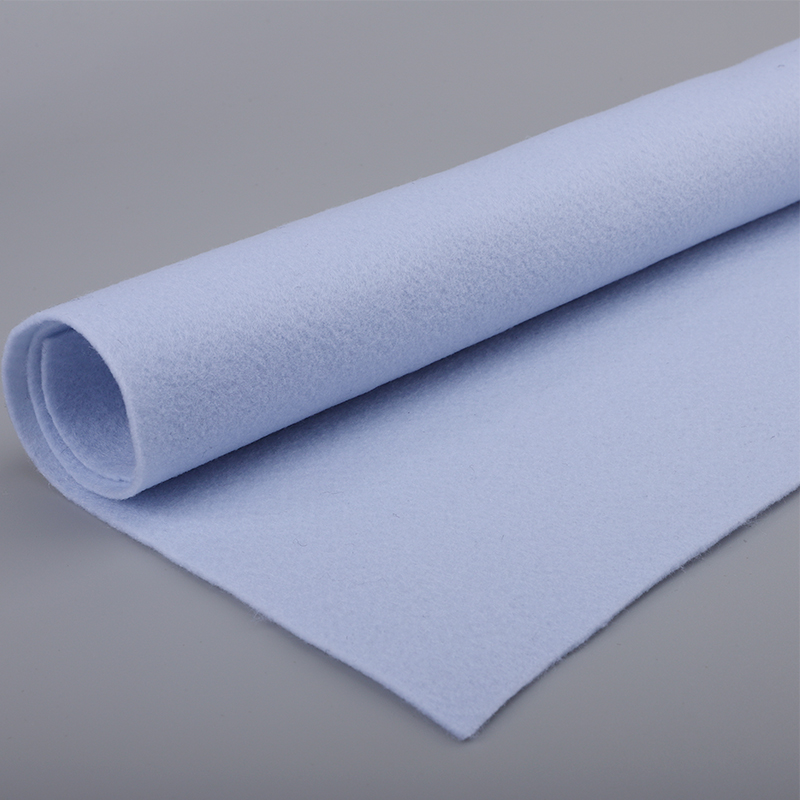
As a professional needle punched felt manufacturer and nonwoven felt manufacturer China, Jinhaocheng supplies customized wool blend needle punched felt with different wool ratios, GSM, thicknesses and eco-friendly fiber combinations for OEM and ODM footwear projects.
Why Don't Most Insoles Use 100% Coarse Wool Felt?
Many buyers assume that wool felt means pure wool, but this is not always true in industrial footwear production.
Coarse wool fibers are difficult to card into a uniform fiber web because of their fiber structure. This makes consistent needle punched production more challenging.
Fine wool fibers can be processed more easily and provide a softer texture, but they are considerably more expensive and are often unsuitable for cost-sensitive mass production.
For this reason, most premium insole materials use a wool blend rather than pure coarse wool.
Common blending fibers include:
Polyester fiber for improved strength, abrasion resistance and dimensional stability.
Viscose fiber for enhanced softness and increased biodegradable fiber content.
Bamboo fiber for moisture management and environmentally conscious product development.
This combination creates a material that is better suited for industrial manufacturing while maintaining the comfort characteristics associated with wool.
Why Is Wool Blend Felt Better Than Ordinary Needle Punched Felt for Insoles?
Natural Warmth for Cold-Weather Footwear
Wool fibers naturally form tiny air pockets because of their crimped structure. These air pockets help reduce heat loss and improve thermal insulation.
For winter boots, snow boots, outdoor footwear and cold-weather casual shoes, wool blend felt helps create a warmer in-shoe environment without requiring an excessively thick insole.
This makes it an excellent functional layer for premium winter footwear.
Moisture Management Keeps Feet More Comfortable
A comfortable insole should manage both warmth and moisture.
Wool naturally absorbs and releases moisture, helping regulate humidity inside footwear while maintaining thermal comfort.
For people who wear shoes for extended periods, this moisture-management ability contributes to a more comfortable wearing experience.
As a result, wool insole felt is widely considered for footwear that prioritizes comfort throughout the day.
Softness and Resilience Improve Underfoot Support
Premium insoles need to balance softness with structural support.
The resilience of wool combined with the stability of polyester allows wool polyester blend felt to provide both comfort and durability.
For footwear brands, this means the insole can better maintain its shape after repeated compression instead of flattening quickly during long-term use.
Why Are More Footwear Brands Choosing Eco-Friendly Wool Blend Felt?
Sustainability has become an important consideration for footwear brands, especially in European and North American markets.
In addition to traditional wool-polyester blends, many manufacturers are developing materials such as:
Wool + Viscose
Wool + Bamboo Fiber
Wool + Biodegradable Cellulose Fiber
Among these options, viscose and bamboo fiber are plant-derived fibers that can increase the proportion of renewable or biodegradable fiber content within certain material systems.
For brands pursuing sustainable product development, these fiber combinations provide greater flexibility while maintaining excellent needle punching performance.
It is important to note that if polyester remains part of the blend, the finished product should not be marketed as 100% biodegradable. Environmental claims should always reflect the actual fiber composition.
What Types of Footwear Can Use Wool Blend Insole Felt?
Different footwear categories require different material properties, making customization particularly important.
Winter Boots and Snow Boots
Cold-weather footwear prioritizes warmth and comfort.
A higher wool content can provide improved thermal insulation, making wool blend needle punched felt an excellent insole material for insulated footwear.
Casual Shoes and Sports Footwear
Casual footwear typically requires softness, resilience and abrasion resistance.
By blending wool with polyester, manufacturers can improve dimensional stability while controlling weight and production cost.
Children's Shoes and Indoor Slippers
Footwear designed for children and indoor use often emphasizes skin-friendly comfort.
Blending wool with viscose fiber can increase softness while incorporating a higher proportion of plant-based fibers.
Work Boots and Functional Footwear
Professional footwear requires durability together with thermal comfort.
Material performance can be adjusted through customization of:
Wool ratio
Polyester ratio
GSM
Thickness
Density
This allows manufacturers to optimize insoles for different functional footwear projects.
How Do You Choose the Right Wool Blend Felt for Insoles?
When sourcing insole felt, wool percentage alone is not enough.
Professional footwear manufacturers should also evaluate:
Fiber composition for balancing warmth, durability and cost.
GSM for overall cushioning and structural support.
Thickness for comfort and shock absorption.
Density for resilience and compression recovery.
Hardness according to the footwear category.
Surface finish for die-cutting, lamination and additional processing.
Selecting a supplier capable of producing custom needle punched felt makes it easier to develop materials for different footwear collections and target markets.
Why Choose a Professional Needle Punched Felt Manufacturer for Footwear Materials?
Insole materials are purchased repeatedly over long production cycles, making consistency essential.
Jinhaocheng has more than 20 years of nonwoven manufacturing experience, with an approximately 26,000㎡ production facility and 15 automated needle punching production lines.
As a professional needle punched felt manufacturer China, nonwoven felt manufacturer and OEM nonwoven manufacturer, we provide customized solutions including:
Wool and polyester blend felt
Wool and viscose blend felt
Wool and bamboo fiber blend felt
Custom GSM and thickness
OEM footwear felt development
ODM nonwoven production
In addition to footwear materials, we also manufacture industrial felt, floor protection felt, painter felt and thermal bonded wadding for global industrial customers.
Why Does Wool Blend Felt Remain a Premium Insole Material?
A premium insole must combine warmth, breathability, resilience, durability, sustainability and manufacturing consistency.
By blending natural wool with functional fibers, wool blend needle punched felt achieves a practical balance between comfort and industrial production, making it an increasingly popular material for premium footwear brands.
For environmentally conscious products, viscose and bamboo fiber can increase the proportion of plant-derived fibers. For projects prioritizing durability, wool polyester blend felt offers excellent mechanical stability and cost efficiency.
If you are looking for a reliable wool felt manufacturer, needle punched felt manufacturer, custom needle punched felt manufacturer or OEM nonwoven manufacturer, Jinhaocheng can develop customized wool blend felt solutions tailored to your footwear project.