What Is Meltblown Nonwoven Fabric Meltblown Nonwoven Fabric's Feature Meltblown Nonwoven Fabric's Application
Meltblown nonwoven fabric
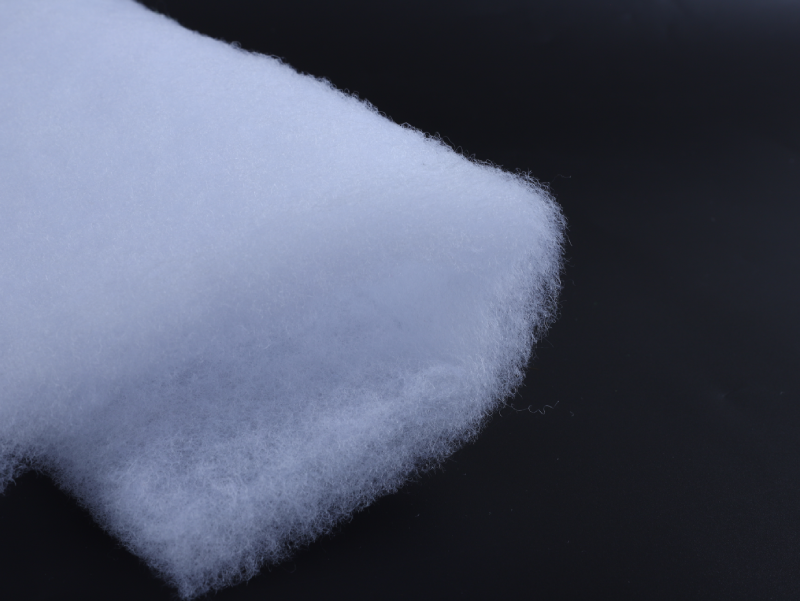
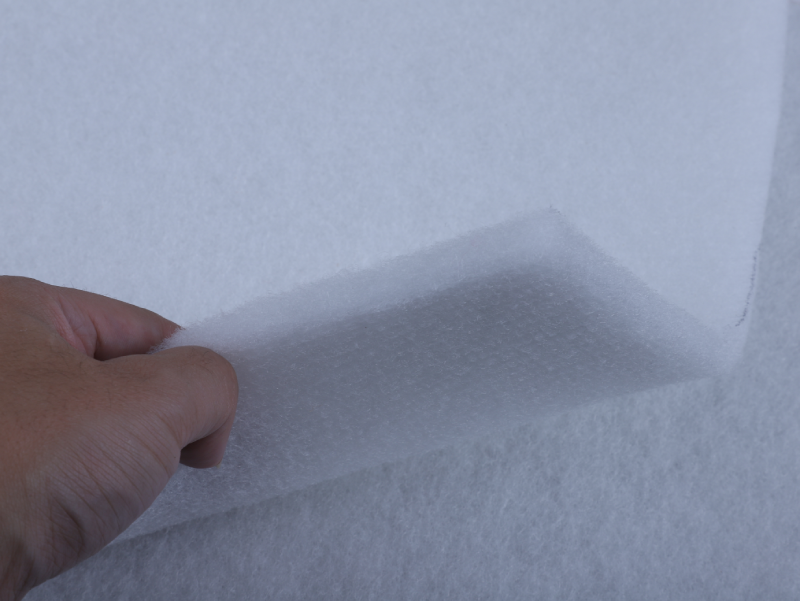
Meltblown fabric is the most crucial material for masks. It mainly uses polypropylene as the primary raw material, and the fiber diameter can reach 1 to 5 microns. With numerous voids, a fluffy structure, and excellent anti-creasing ability, the ultrafine fibers with a unique capillary structure increase the number of fibers and surface area per unit area, thereby endowing the meltblown fabric with outstanding filtering, shielding, thermal insulation, and oil absorption properties. It can be used in fields such as air and liquid filtration materials, isolation materials, absorption materials, mask materials, thermal insulation materials, oil-absorbing materials and wiping cloths.
Melt-blown fabric is the most crucial material for masks. Medical masks and N95 masks are composed of a spunbond layer, a meltblown layer and a spunbond layer. Among them, both the spunbond layer and the meltblown layer are made of polypropylene (PP) material
Application:
(1) Medical and health care cloths: surgical gowns, protective suits, disinfection cloths, masks, diapers, women's sanitary napkins, etc.
(2) Home decoration fabrics: wall coverings, tablecloths, bed sheets, bedspreads, etc.
(3) Clothing fabrics: linings, adhesive linings, wadding, shaped cotton, various synthetic leather base fabrics, etc.
(4) Industrial fabrics: filter materials, insulating materials, cement packaging bags, geotextiles, covering fabrics, etc.
(5) Agricultural fabrics: crop protection fabrics, seedling raising fabrics, irrigation fabrics, thermal insulation curtains, etc.
(6) Others: Space cotton, thermal insulation and soundproofing materials, oil-absorbing felt, cigarette filters, tea bags in bags, etc.
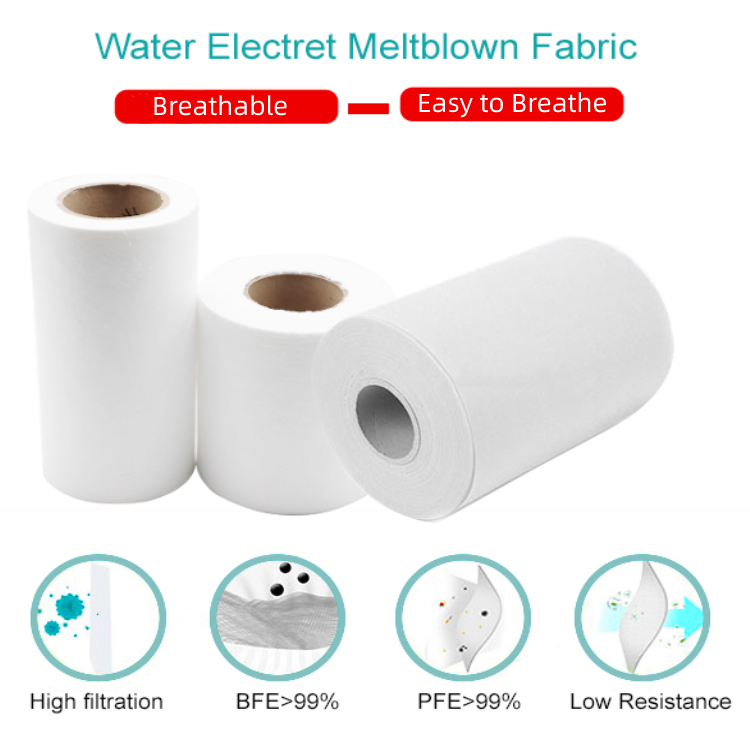
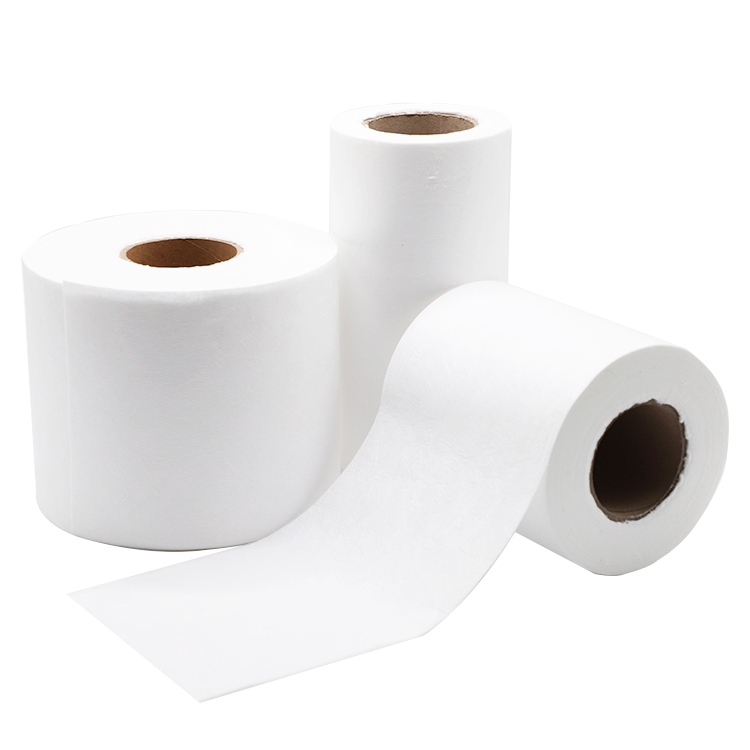
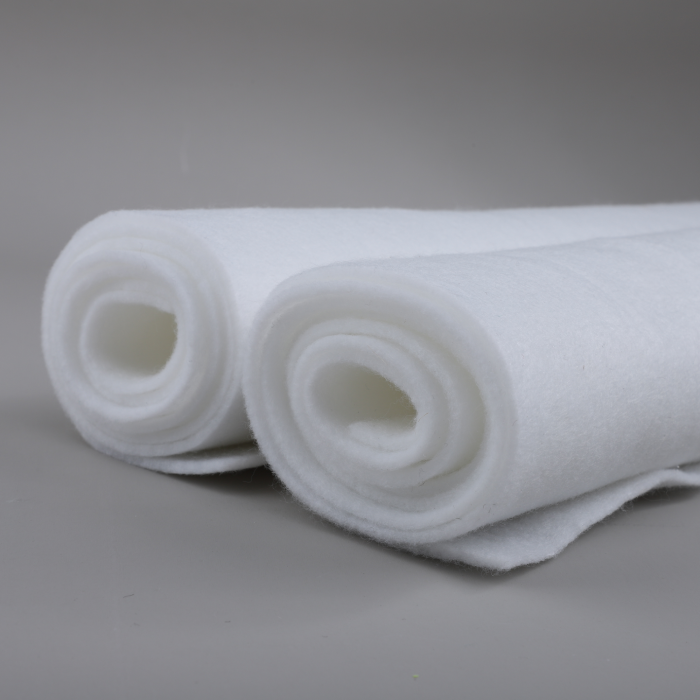
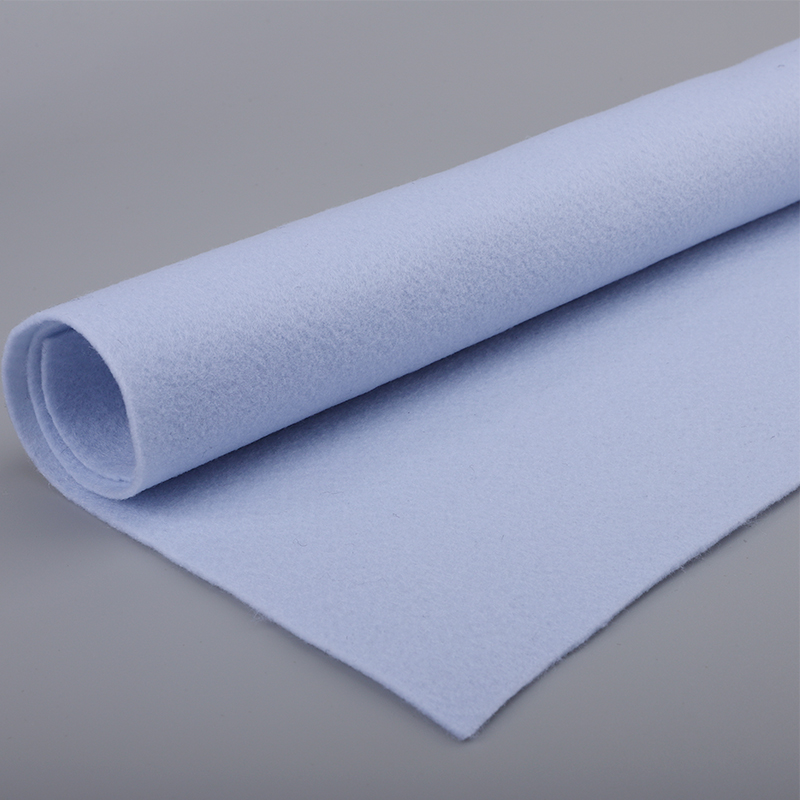
Meltblown fabric filter material is made by randomly distributing and bonding polypropylene superfine fibers together. It has a white, smooth and soft appearance. The fineness of the material fibers is 0.5-1.0μm. The random distribution of fibers provides more opportunities for thermal bonding between fibers, thus giving the meltblown gas filter material a larger specific surface area and higher porosity (≥75%). Through high-voltage electret filtration efficiency, the product features low resistance, high efficiency and high dust holding capacity.
Specifications and production processes
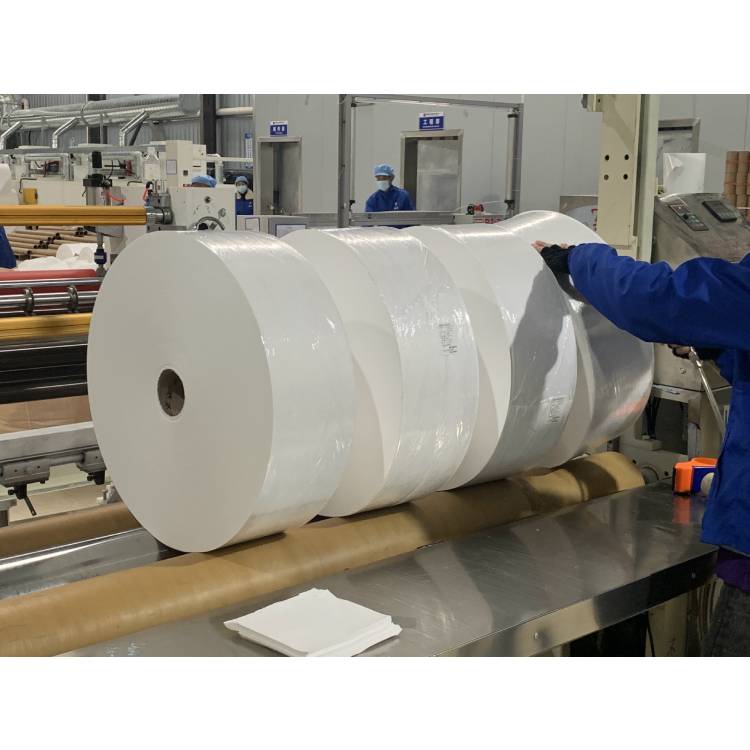
Weight: 18g-500g
Width: Generally 160cm and 180cm (can also be customized according to customer requirements)
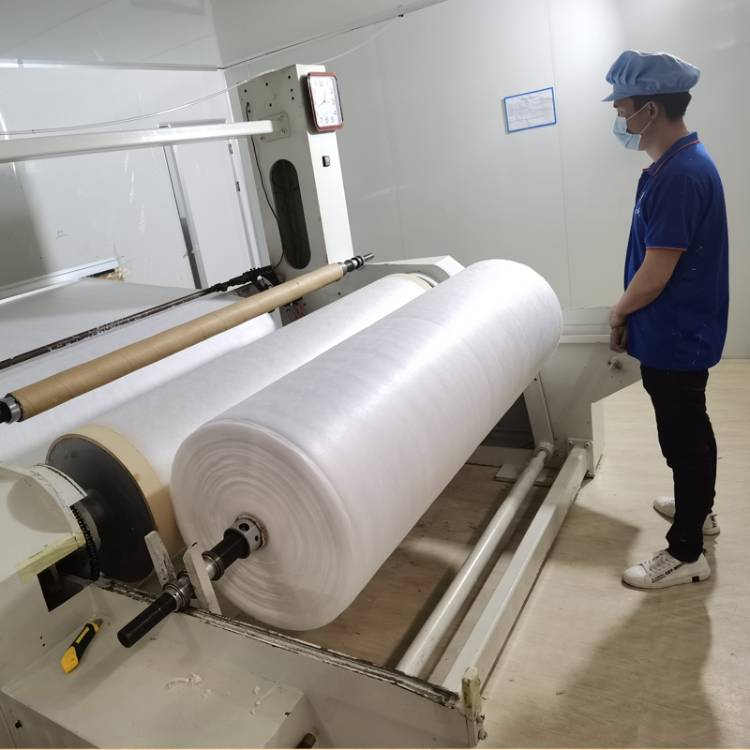
Meltblown fabric is made by stretching the fine stream of polymer melt extruded from the spinneret holes of the die head with high-speed hot air flow, thereby forming ultrafine fibers and collecting them on the mesh curtain or roller, and at the same time bonding themselves to become meltblown nonwoven fabric.
The main production process of meltblown fabric is:
1. Melt preparation
2. Filtration
3. Measurement
4. The melt is extruded from the spinneret
5. Melt fine flow stretching and cooling
6. Form a network
The application fields of meltblown fabric
Meltblown fabric is mainly made of polypropylene, with fiber diameters ranging from 0.5 to 10 microns. These ultra-fine fibers with unique capillary structures increase the number of fibers and surface area per unit area, thus endowing meltblown fabric with excellent air filtration properties. It is a relatively good material for masks and is widely used in large, medium and small medical institutions, as well as in disaster-stricken areas affected by earthquakes and floods. Melt-blown filter paper plays an irreplaceable role with its strong filtering performance.
The main uses of meltblown fabric are:
1. Filter material
2. Medical and health care materials
3. Environmental protection materials
4. Clothing materials
5. Battery separator materials
6. Wipe the materials