Is Non-Glue Wadding the Same as Thermal Bonded Wadding? Eco-Friendly Filling Material Explained
In the bedding, furniture, apparel and upholstery industries, many buyers ask the same question: Is non-glue wadding the same as thermal bonded wadding?
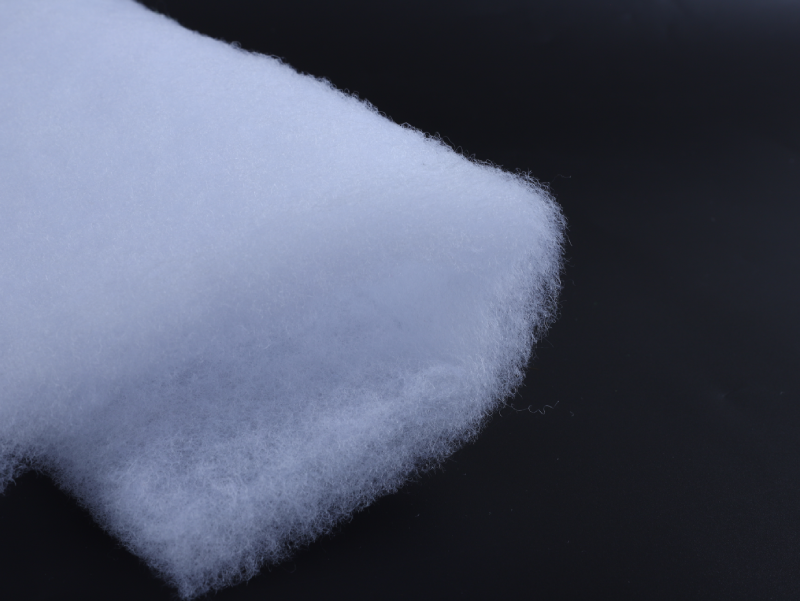
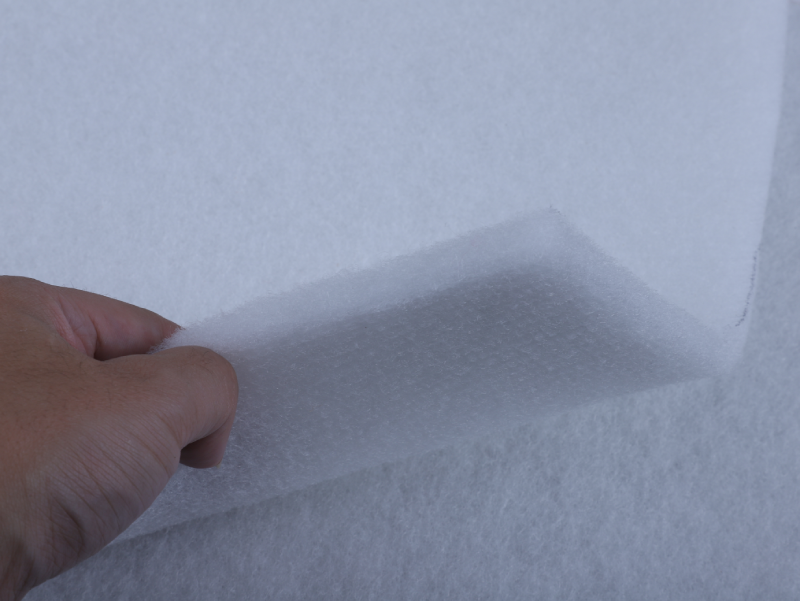
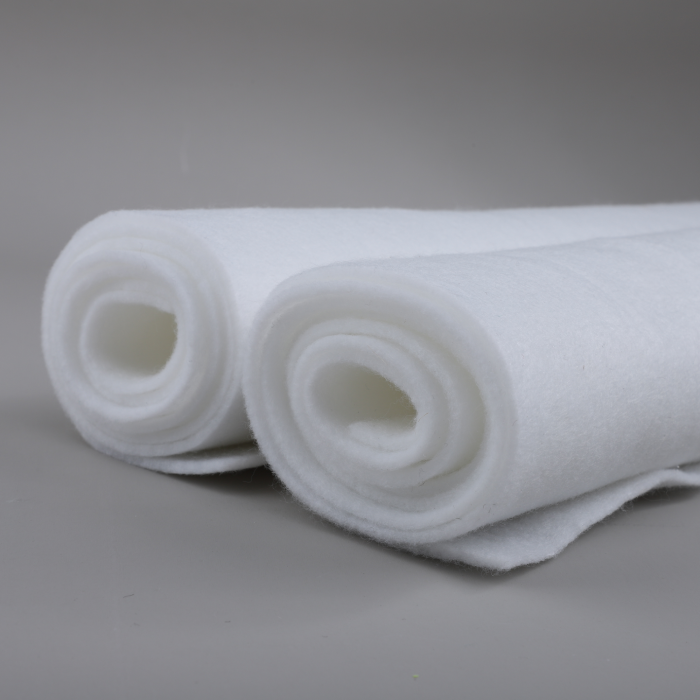
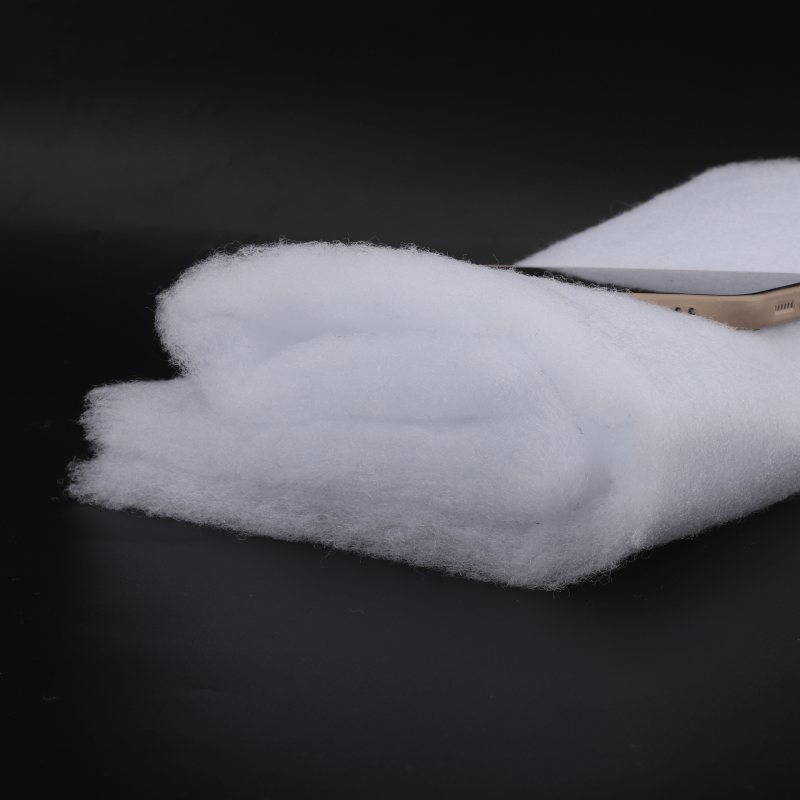
The answer is yes. In the nonwoven industry, non-glue wadding is commonly known as thermal bonded wadding, and it is also related to the term hot air through nonwoven fabric. Instead of relying on traditional chemical adhesives, this material is produced by using hot air to bond specially designed fibers together, creating a soft, resilient and lightweight nonwoven structure.
As global consumers pay increasing attention to environmentally friendly materials, sustainable manufacturing and comfortable home textile products, thermal bonded wadding is becoming an attractive filling solution for bedding, furniture, apparel and other textile applications.
As an experienced nonwoven manufacturer China, needle punched felt manufacturer and custom nonwoven manufacturer, Jinhaocheng provides customized nonwoven materials with different GSM, thickness, width, fiber composition and functional properties for customers worldwide.
Is Non-Glue Wadding the Same as Thermal Bonded Wadding?
Yes. In most Chinese nonwoven industry applications, non-glue wadding refers to thermal bonded wadding.
The two terms emphasize different aspects of the same material. “Non-glue wadding” highlights the fact that traditional liquid adhesive is not used as the primary bonding method, while “thermal bonded wadding” describes the thermal bonding technology used during production.
During manufacturing, specially selected low-melting fibers are mixed with other fibers and formed into a fiber web. Hot air passes through the web and activates the low-melting component. After cooling, the fibers form stable bonding points and create a three-dimensional nonwoven structure.
For international B2B customers, thermal bonded wadding is the more common industry term when searching for this type of nonwoven filling material.
Why Is Thermal Bonded Wadding an Eco-Friendly Nonwoven Material?
One of the major reasons manufacturers are interested in thermal bonded wadding is its adhesive-free bonding concept.
Traditional spray-bonded materials depend on chemical binders to hold fibers together. Thermal bonding instead uses heat to activate bonding fibers, which can reduce the need for conventional adhesive binders during production.
This makes thermal bonded wadding an attractive option for brands developing more environmentally conscious textile products.
Its environmental advantages can include:
Reduced reliance on traditional chemical adhesives
A cleaner fiber-based bonding structure
Low-odor material options
Lightweight product construction
Potential compatibility with virgin and recycled fiber systems
For manufacturers targeting international markets, material compliance is also important. Jinhaocheng can develop thermal bonded wadding according to customer requirements and support projects involving standards such as OEKO-TEX, REACH and RoHS.
What Are the Main Advantages of Thermal Bonded Wadding?
Soft and Lofty Structure
The three-dimensional fiber structure gives thermal bonded wadding a soft and fluffy appearance.
When used in quilts, comforters, pillows and mattress products, it can provide a comfortable filling layer while maintaining good loft.
For bedding manufacturers, the right combination of GSM, thickness and loft can help create different levels of warmth and softness.
Good Resilience and Shape Recovery
Bedding and furniture products are compressed repeatedly during everyday use.
A properly engineered thermal bonded wadding structure can provide good resilience and recovery, helping the filling maintain its original shape after compression.
This makes it suitable for products where softness, loft and dimensional stability are important.
Breathable Fiber Structure
The porous structure of nonwoven wadding allows air to move through the material.
This can provide a useful balance between breathability and thermal insulation, particularly in bedding and apparel applications.
The actual performance depends on factors such as fiber composition, thickness, density and product construction.
Lightweight Filling Solution
Compared with some traditional filling materials, thermal bonded wadding can achieve useful loft without excessive weight.
This makes it suitable for lightweight quilts, insulated clothing, cushions and other products where manufacturers want to control overall product weight.
Good Processing Consistency
For large-scale manufacturers, consistency between production batches is critical.
By controlling fiber composition, GSM, thickness, bonding conditions and production parameters, manufacturers can develop relatively stable material specifications for repeated production.
This is particularly important for OEM and private-label projects.
Where Is Thermal Bonded Wadding Used?
Bedding and Quilt Filling
Bedding is one of the most important applications for thermal bonded wadding.
It can be used in:
Quilts
Comforters
Summer quilts
Pillows
Mattress pads
Baby bedding
Different GSM and thickness specifications can be developed according to the desired warmth, loft and hand feel.
Furniture and Upholstery
In furniture manufacturing, thermal bonded wadding can be used as a soft cushioning or wrapping layer for sofas, cushions, upholstered chairs and other furniture products.
Its lightweight structure and good resilience can help improve comfort while maintaining efficient material usage.
Apparel and Insulated Products
The combination of low weight and thermal insulation makes thermal bonded wadding suitable for selected apparel applications.
It can be used in jackets, vests, sleeping bags and other products requiring lightweight thermal filling.
Home Textile Products
Beyond bedding, thermal bonded nonwoven materials can also be developed for cushions, mattress accessories, decorative textile products and other home textile applications.
For brands focusing on eco-friendly home textiles, material selection can become an important part of the overall product positioning.
What Is the Difference Between Thermal Bonded Wadding and Spray-Bonded Cotton?
The most important difference is the fiber bonding method.
Spray-bonded cotton generally relies on adhesive binders to hold the fibers together.
Thermal bonded wadding uses heat-activated fibers to create bonding points within the fiber web.
This difference can influence the material's softness, breathability, odor, resilience and long-term performance.
For manufacturers developing products with a stronger focus on environmental performance and consumer comfort, thermal bonding provides an alternative approach to conventional adhesive bonding.
How Should Manufacturers Choose the Right Thermal Bonded Wadding?
Choosing the correct thermal bonded wadding requires more than comparing price per kilogram.
Manufacturers should consider the finished product and determine the appropriate:
GSM
Thickness
Loft
Fiber composition
Width
Softness
Resilience
Flame retardant performance
For example, a lightweight summer quilt may require a different GSM and loft from a winter comforter.
A mattress product may require higher resilience and dimensional stability, while apparel filling may prioritize lightweight construction and softness.
For this reason, working with a custom wadding supplier can make it easier to develop the material around the final product rather than adapting the product to a fixed material specification.
Why Choose a Professional Thermal Bonded Wadding Manufacturer?
For long-term B2B cooperation, stable quality and production capacity are often more important than obtaining the lowest initial quotation.
Jinhaocheng has more than 20 years of nonwoven manufacturing experience, with an approximately 26,000㎡ production facility and 15 automated production lines.
As a professional thermal bonded wadding manufacturer, nonwoven manufacturer China and custom nonwoven manufacturer, we provide OEM and ODM solutions for customers with different material requirements.
Our capabilities include customized:
GSM and thickness
Fiber composition
Material width
Softness and loft
Flame retardant options
Bedding filling materials
Furniture filling materials
Apparel insulation materials
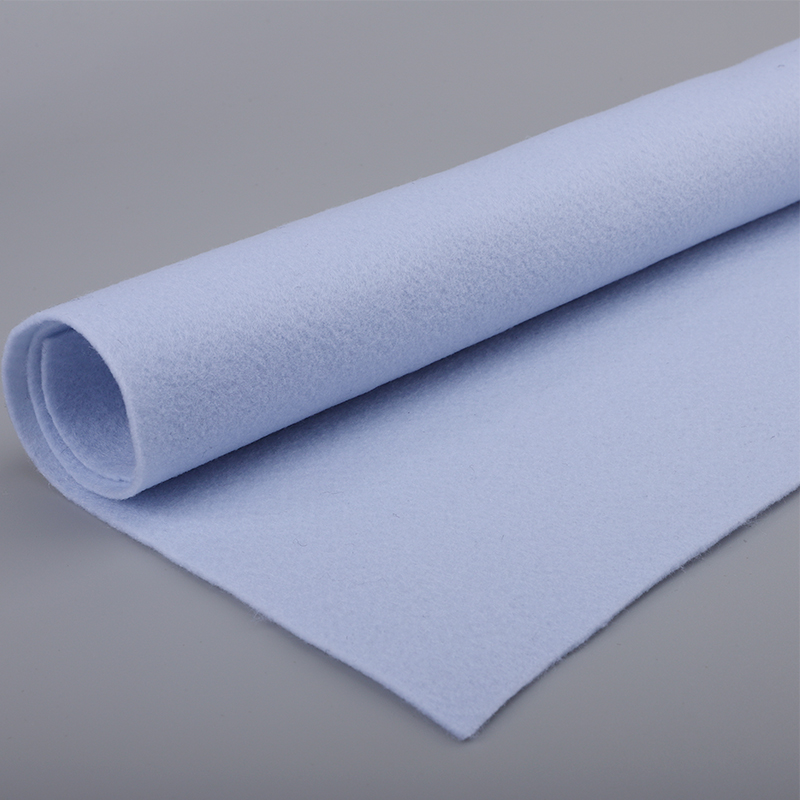
We also manufacture a wide range of nonwoven materials, including needle punched felt, floor protection felt, painter felt, anti-condensation felt, laminated foam fabric, absorbent felt and industrial nonwoven products.
This integrated production capability allows customers to develop different nonwoven materials through one experienced nonwoven products manufacturer.
Why Is Thermal Bonded Wadding Becoming a Popular Eco-Friendly Filling Choice?
Non-glue wadding, commonly known as thermal bonded wadding, represents an important development in modern nonwoven filling materials.
By using thermal bonding instead of conventional adhesive bonding, manufacturers can develop filling materials with a combination of softness, loft, resilience, breathability, lightweight construction and reduced reliance on traditional chemical adhesives.
For bedding, furniture, apparel and home textile brands, choosing the right filling material can improve both product performance and market positioning.
If you are looking for a reliable thermal bonded wadding manufacturer, nonwoven manufacturer China, OEM nonwoven manufacturer or supplier of custom nonwoven products, Jinhaocheng can develop customized nonwoven solutions according to your product specifications and production requirements.