How to Protect Floors During Renovation? A Complete Floor Protection Guide
Renovation projects are an important way to improve the value and appearance of a space. However, during construction, existing floors are exposed to various risks. From residential remodeling and office upgrades to commercial renovation projects, floor protection has become an essential part of modern construction management.
Many homeowners, renovation companies, and contractors face the same question:
“How can I protect my floors from damage during renovation?”
Whether the surface is expensive hardwood flooring, laminate flooring, tiles, marble, or carpet, improper protection can lead to scratches, stains, and even permanent damage caused by dust, paint, moisture, falling tools, and heavy foot traffic.
Therefore, choosing the right floor protection during construction can not only reduce repair costs but also improve work efficiency and maintain the final quality of renovation projects.
Why Do Floors Get Damaged During Renovation Projects?
Renovation sites are usually high-activity environments where workers, tools, and construction materials constantly move around. As a result, floors are exposed to continuous pressure, friction, and potential damage.
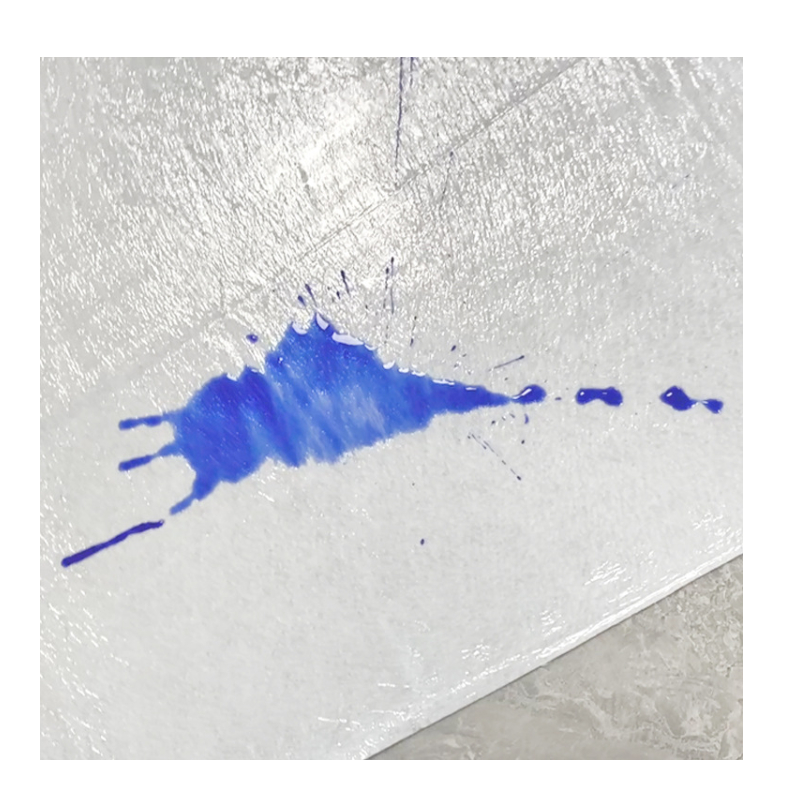
Common causes of floor damage include:
1. Paint and Liquid Spills
Paint, coatings, adhesives, and other construction liquids can easily penetrate floor surfaces. This is especially risky for wooden floors and porous materials, where stains may become difficult to remove without proper protection.
2. Scratches and Impact Damage
Dropped tools, furniture movement, and transportation of construction equipment can cause scratches, dents, or surface damage.
3. Dust and Construction Debris
Large amounts of dust and debris generated during renovation can create friction when workers walk over the surface, causing gradual wear and damage.
4. Moisture Exposure
Water, cement, and other liquids may cause swelling, deformation, or surface deterioration, especially on wood-based flooring materials.
For this reason, selecting reliable temporary floor protection before starting construction is an essential step.
Common Floor Protection Methods During Renovation
Today, common renovation floor protection materials include plastic film, cardboard, paper protection products, and protective fleece.
Each material has different characteristics and is suitable for different construction environments. Understanding their advantages and limitations helps contractors choose the right protection solution.
1. Plastic Film Floor Protection
Plastic film is one of the most commonly used floor protection methods in renovation projects.
Advantages:
Good waterproof performance;
Low cost;
Lightweight and easy to install.
Limitations:
Smooth surface may create slipping risks;
Limited impact absorption;
Usually requires additional tape for fixing;
Provides limited protection against scratches and heavy impacts.
Plastic film is suitable for short-term projects where basic waterproof protection is required. However, for long renovation periods or valuable flooring, it may not provide complete protection.
2. Cardboard Floor Protection
Cardboard protection is still used in some construction projects because of its low cost and easy availability.
Advantages:
Easy to obtain;
Provides basic cushioning;
Suitable for temporary coverage.
Limitations:
Easily becomes soft and damaged when exposed to moisture;
Limited stain resistance;
Short service life;
Not suitable for humid environments.
3. Paper Protection Products
Professional protection paper is lighter and more convenient than ordinary cardboard and can be used for certain surface protection applications.
Advantages:
Easy to cut;
Simple installation;
Suitable for light-duty construction work.
Limitations:
Limited waterproof performance;
Insufficient impact protection;
Usually not reusable.
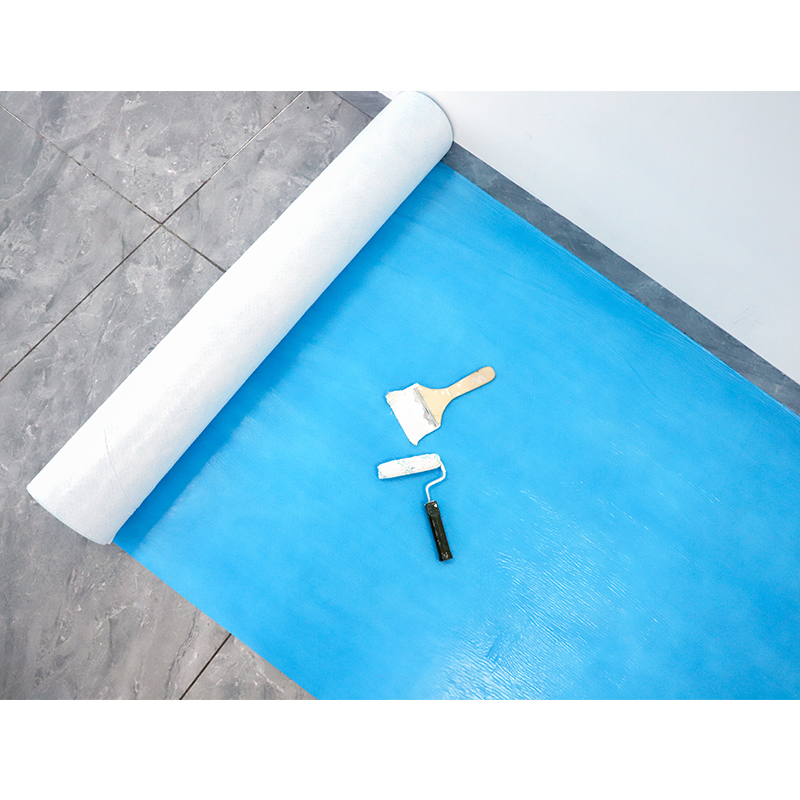
4. Protective Fleece Floor Protection
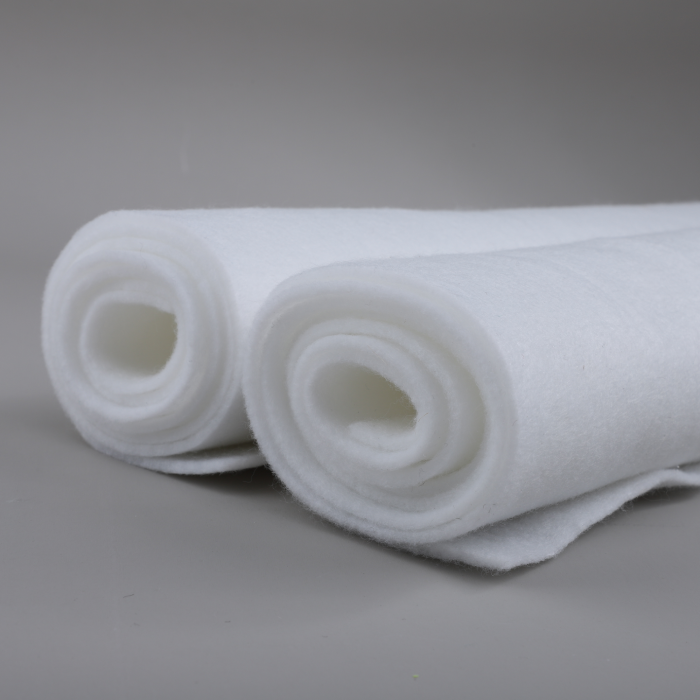
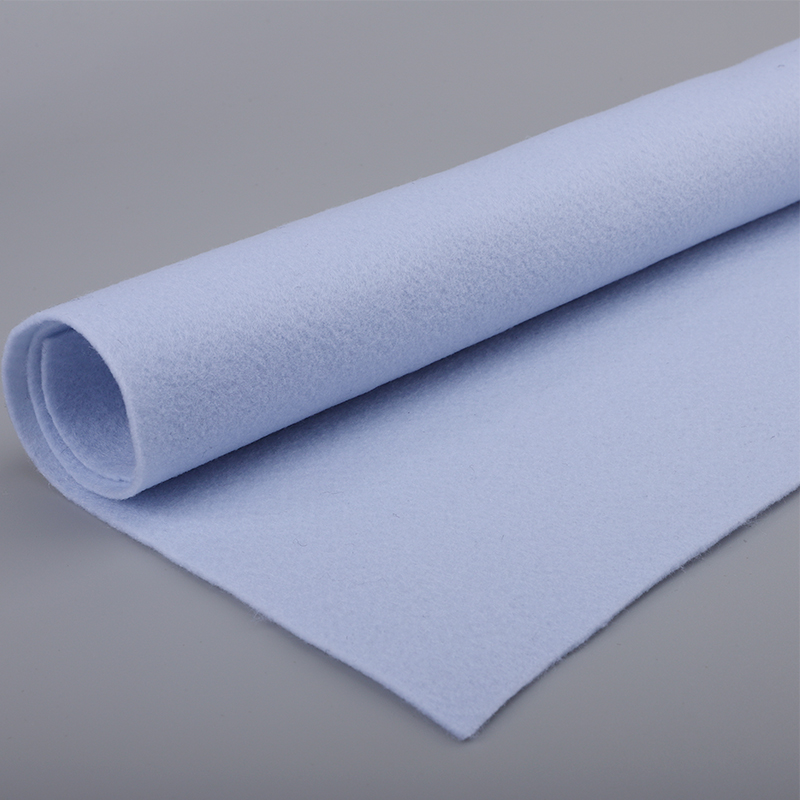
In recent years, more professional renovation teams have started choosing protective fleece rolls as a higher-performance floor protection solution.
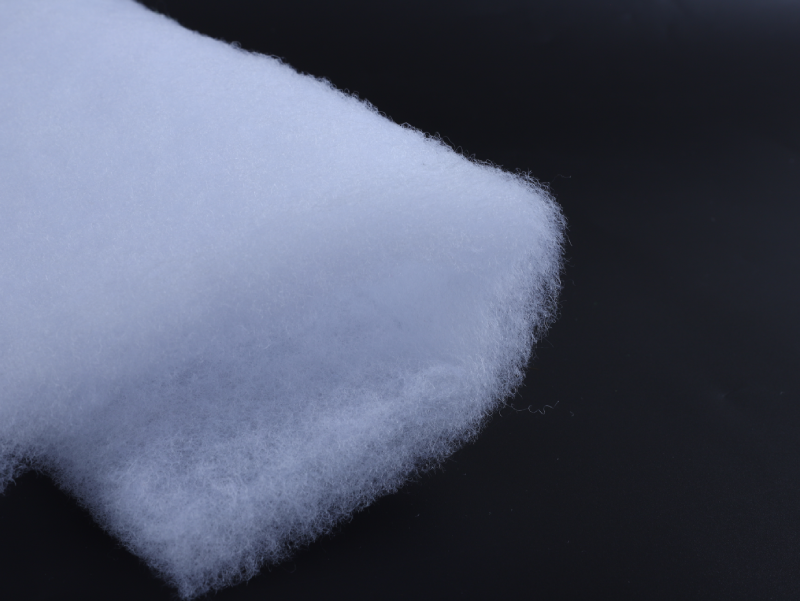
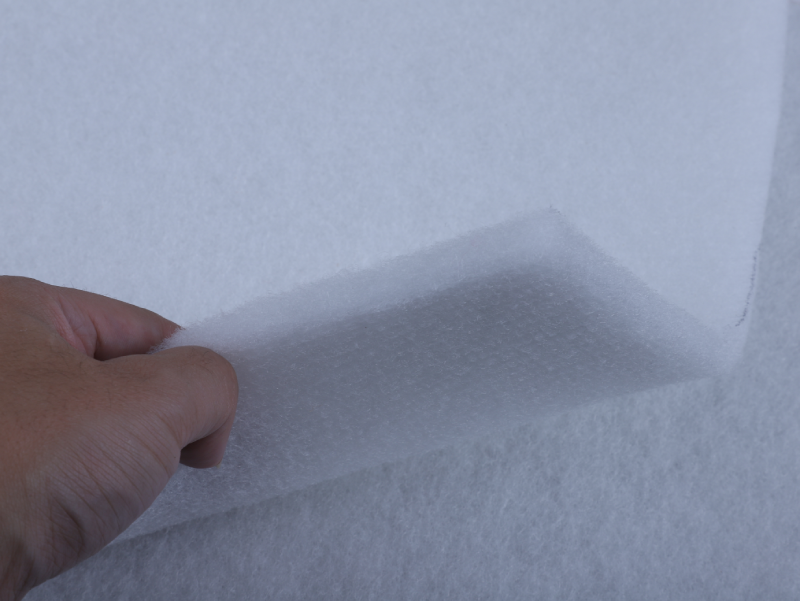
Protective fleece usually features a multi-layer structure combining nonwoven material and waterproof film:
The top waterproof layer prevents liquid and construction contamination;
The soft nonwoven layer provides cushioning protection;
The self-adhesive backing helps the material stay securely in place.
Compared with traditional protection materials, protective fleece provides multiple benefits, including waterproofing, anti-slip performance, scratch resistance, impact absorption, and reusability.
Why Do Professionals Prefer Protective Fleece for Renovation?
For renovation companies, contractors, and professional construction teams, floor protection is not only about covering the surface — it is about reducing risks throughout the entire project.
High-quality protective fleece provides several important advantages:
Better Surface Protection
The soft nonwoven layer can absorb impact from tools, equipment, and frequent movement, helping reduce scratches, pressure damage, and surface wear.
Anti-Slip Safety
Compared with traditional plastic film, anti-slip protective fleece provides a more stable working surface and improves construction safety, especially in areas such as stairs, corridors, and high-traffic zones.
Easy Installation and Removal
Self-adhesive protective fleece does not require large amounts of tape. It can be quickly rolled out, adjusted, and removed after use without leaving significant adhesive residue.
Reusable and Cost-Effective
Durable protective fleece can be reused multiple times when properly maintained. Compared with disposable protection materials, it helps reduce material waste and long-term construction costs.
How to Choose the Right Floor Protection Sheet?
When selecting a floor protection sheet for renovation, several factors should be considered:
1. Type of Flooring
Different flooring materials require different protection levels:
Hardwood floors: Require scratch resistance and moisture protection;
Tile and marble: Require impact and surface protection;
Carpet: Requires dust, stain, and liquid protection.
2. Protection Duration
Short-term projects may only need basic covering materials, while longer renovation projects require durable and reusable protection products.
3. Safety Requirements
For areas with frequent worker movement, choosing materials with anti-slip performance can improve workplace safety.
4. Installation Efficiency
Large-scale projects require fast installation. Self-adhesive protective rolls can help reduce labor time and improve construction efficiency.
Jinhaocheng: Developing Professional Floor Protection Solutions with Nonwoven Technology
With more than 20 years of experience in nonwoven material development and manufacturing, Huizhou Jinhaocheng Nonwovens Co., Ltd. is dedicated to providing high-performance nonwoven materials and customized solutions for customers worldwide.
Since its establishment in 2005, Jinhaocheng has continuously focused on nonwoven technology and built a complete production system with strong material development capabilities. The company operates a 26,000-square-meter manufacturing facility equipped with 15 automated production lines, supplying nonwoven products for various industries, including floor protection, automotive, home textile, medical, agriculture, and industrial filtration.
To meet the growing demand for renovation and construction protection solutions worldwide, Jinhaocheng provides professional products including Floor Protection Sheet, Self-Adhesive Protective Fleece, and Protective Fleece Roll, together with OEM/ODM services covering customization of size, weight, color, packaging, and product performance.
Supported by advanced manufacturing capabilities, extensive material expertise, and international certifications such as ISO9001, OEKO-TEX STANDARD 100, GRS, BSCI, REACH, and RoHS, Jinhaocheng delivers reliable nonwoven protection solutions to customers in more than 50 countries and regions.
As the renovation industry continues to demand higher standards for efficiency, safety, and sustainability, choosing the right renovation floor protection solution not only protects valuable surfaces but also helps businesses improve construction performance and market competitiveness.