
Can 500gsm Polyester Needle Felt Replace Your Existing Dust Collector Filter Media? A Buyer’s Compatibility Guide
For overseas importers, industrial buyers, dust collection equipment manufacturers, and filtration product manufacturers, replacing existing filter media is not simply a matter of finding a material with the same GSM.
A common purchasing question is:
Can 500gsm polyester needle felt replace the filter media currently used in my dust collection system?
The answer depends on more than the material’s weight. Buyers also need to consider the equipment design, airflow requirements, dust characteristics, operating temperature, cleaning method, air permeability, and pressure drop.
Even if a new material has a similar GSM or thickness to the existing filter media, its performance may differ under actual operating conditions.
Therefore, before requesting a quotation or placing a bulk order, buyers should evaluate whether the proposed material is compatible with the existing dust collection system.
This guide explains what to check when considering 500gsm polyester needle felt as a replacement for existing dust collector filter media, helping buyers prepare for sample evaluation and reduce the risks associated with bulk purchasing.
1. Why Can’t You Decide on Filter Media Replacement by GSM Alone?
When replacing industrial filter media, buyers may begin with a straightforward request:
“I need 500gsm polyester needle felt.”
However, GSM only indicates the material’s mass per unit area. It does not independently establish whether the material will perform properly in a particular dust collection system.
Different needle felt materials can vary in fiber structure, thickness, density, air permeability, surface treatment, and mechanical properties. These differences may affect how air passes through the material, how dust accumulates, and how the filter media responds to cleaning.
For example, two filter media products with the same GSM may have different air permeability and pressure drop characteristics. They may also behave differently when exposed to moisture, oily dust, or repeated cleaning cycles.
Before replacing the existing material, buyers should therefore consider two separate questions.
Specification compatibility: Does the proposed material match the dimensional and physical requirements of the existing filter system?
Operating compatibility: Can the proposed material meet the system’s actual filtration and operating requirements?
The 500gsm specification can be a starting point for material selection, but it should not be treated as proof that the replacement will work.
2. Collect Information About Your Existing Filter Media and Dust Collector
Before contacting a supplier, buyers should gather as much information as possible about the current filter media and the equipment in which it is installed.
This information helps the supplier understand the existing setup and identify the specifications that need to be confirmed.
Current filter media: Identify the existing material type, GSM, thickness, dimensions, and any known surface treatments. If the original specification sheet is unavailable, photographs, samples, or previous purchasing records may help establish a baseline.
Filter bag or element dimensions: Confirm the required length, diameter, width, shape, and other dimensions relevant to the equipment. For baghouse systems, also check the filter bag design and installation requirements.
Equipment information: Provide the dust collector model, equipment manufacturer, or available technical documentation. These details can help clarify the system’s design and replacement requirements.
Current operating records: If available, collect information about airflow, pressure drop, cleaning frequency, filter service life, and any recurring operational problems.
It is also important to identify why the material is being replaced.
For example, is the existing filter media reaching the end of its service life? Is the pressure drop increasing too quickly? Is dust cleaning becoming less effective? Or is the buyer simply seeking an alternative supplier?
The reason for replacement matters because the new material should be evaluated against the actual problem or purchasing objective, rather than selected solely because its specifications appear similar.
3. Check the Dust Collector Design and Filtration Velocity
The same filter media may perform differently in different dust collection systems. Therefore, buyers need to confirm the equipment’s airflow requirements and effective filtration area before choosing a replacement.
Airflow rate: Confirm the volume of air the dust collector is designed to process under normal operating conditions.
Effective filtration area: Identify the available filtration area and whether the proposed filter bag or element will match the existing equipment design.
Filtration velocity: Where applicable, confirm the air-to-cloth ratio or filtration velocity used by the system. This relationship helps determine how much air passes through a given area of filter media.
Installation compatibility: Check whether the proposed material can be manufactured into the required filter bag or element dimensions and installed correctly in the existing equipment.
A material that appears suitable based on GSM alone may not provide the required performance if its air permeability or other characteristics do not match the system’s design.
For this reason, buyers should provide the supplier with available equipment parameters rather than requesting replacement material based only on its weight or thickness.
4. Confirm the Dust Characteristics and Operating Conditions
Dust collection applications can involve very different types of particles. The characteristics of the dust being collected may affect which filter media is appropriate.
Before selecting 500gsm polyester needle felt, buyers should identify the actual dust and operating environment.
Dust type: What material is being collected? Examples may include dust generated during manufacturing, material processing, or other industrial operations.
Particle characteristics: Consider the particle size, concentration, abrasiveness, and other relevant physical properties.
Dust adhesion: Determine whether the dust is dry and free-flowing or tends to stick to the filter surface.
Moisture and oil: Confirm whether the airflow contains high humidity, moisture, oil mist, or other substances that could affect filtration or cleaning.
Chemical exposure: Identify any corrosive components or other substances that may be incompatible with the proposed fiber material or surface treatment.
These details matter because a filter medium that works under one set of operating conditions may not be suitable for another.
For example, if the collected dust is sticky or the airflow contains moisture or oil, buyers may need to evaluate whether a suitable surface treatment or alternative material structure is required.
The objective is not simply to find a material described as polyester needle felt. It is to confirm whether the material is appropriate for the actual dust collection environment.
5. Confirm the Operating Temperature and Polyester’s Temperature Limits
Operating temperature is another important factor when replacing filter media.
Polyester needle felt can be considered for many industrial filtration applications, but its suitability depends on the actual temperature conditions and the material’s specified operating limits.
Buyers should confirm the following information before placing an order.
Normal operating temperature: Identify the typical temperature of the gas passing through the filter media.
Peak temperature: Confirm whether the system experiences short-term temperature spikes and how frequently they occur.
Temperature duration: Determine whether elevated temperatures are occasional or sustained.
Material temperature rating: Ask the supplier to confirm the applicable continuous and short-term temperature limits for the specific material being quoted.
A product specification may provide typical temperature figures, but these should not automatically be treated as guarantees for every application. Actual suitability can depend on operating conditions, material construction, treatment, and exposure duration.
If the system operates outside the confirmed limits of the proposed polyester needle felt, buyers should evaluate a more suitable material rather than relying on GSM or thickness to compensate for the temperature mismatch.
6. Confirm the Cleaning Method and Surface Treatment Requirements
Dust collector filter media may be cleaned using different methods, and the cleaning process can influence material selection.
Before replacing existing filter media, buyers should confirm how the equipment removes accumulated dust and whether the proposed material is compatible with that process.
Cleaning method: Determine whether the system uses pulse-jet cleaning, reverse-air cleaning, mechanical shaking, or another method.
Cleaning frequency: Confirm how often the filter media is cleaned during normal operation and whether the cleaning cycle is particularly demanding.
Dust release: Review whether the existing material releases accumulated dust effectively or whether dust tends to remain attached to the surface.
Surface treatment: Depending on the application, buyers may need to evaluate treatments such as singeing, calendering, heat setting, water or oil repellency, or other specified finishes.
Additional functional requirements: If the operating environment requires anti-static properties, a membrane, or another specialized treatment, communicate these requirements before requesting samples.
Not every treatment is necessary for every application. The appropriate option depends on the dust characteristics, equipment design, operating conditions, and required performance.
Therefore, buyers should not choose a surface treatment simply because it is available. Instead, they should explain the actual operating problem and confirm which material options are appropriate for further evaluation.
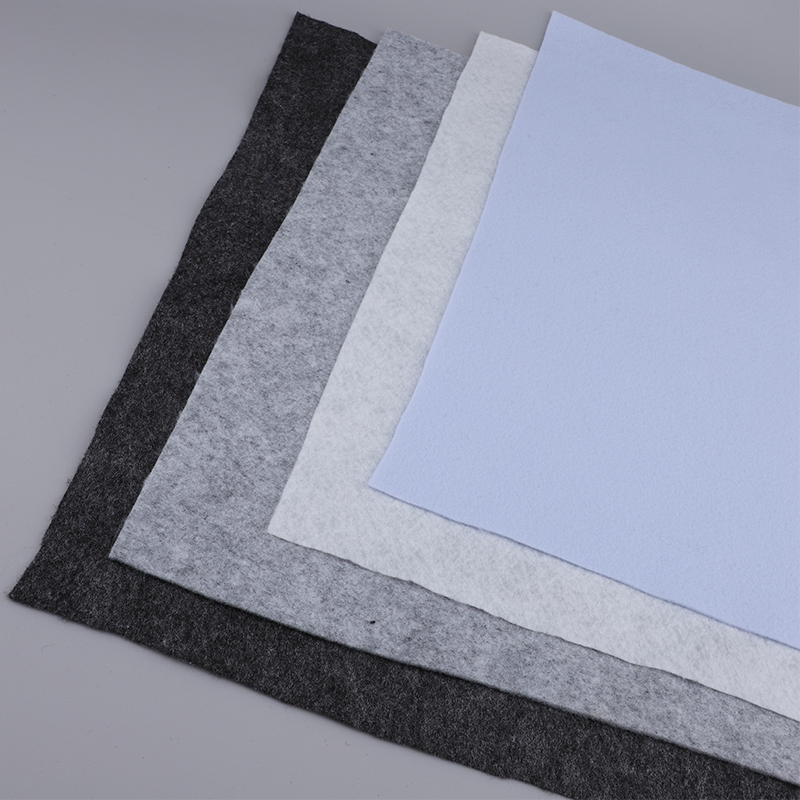
7. Compare Air Permeability, Pressure Drop, and Operating Records
When evaluating replacement filter media, air permeability and pressure drop are important indicators to consider together with the actual operating records.
Air permeability: This indicates how readily air passes through the filter media under specified test conditions. Buyers should confirm the required air permeability and the measurement conditions used by the supplier.
Pressure drop: This refers to the pressure loss as air passes through the filter media. Buyers should review the pressure drop requirements of the existing system and compare relevant test results where available.
Operating records: Historical pressure drop readings, cleaning frequency, and filter service life can help establish a baseline for evaluating replacement material.
Comparable test conditions: When comparing samples from different suppliers, check whether the measurements were obtained using comparable test methods and conditions.
It is important not to evaluate these indicators in isolation.
For example, a material with higher air permeability is not automatically more suitable for every filtration application. Buyers still need to consider the required filtration performance, dust characteristics, and equipment operating limits.
Similarly, a pressure drop value should not be compared without understanding the relevant test conditions.
If the current system is experiencing unusually high pressure drop, frequent cleaning, or short filter service life, buyers should use those observations to define the replacement objective and agree on appropriate evaluation criteria with the supplier.
8. Validate Samples Before Replacing Filter Media in Bulk
After confirming the main compatibility requirements, buyers should evaluate samples before committing to a large replacement order.
A sample can help verify the material’s physical specifications and determine whether it is suitable for further testing in the intended application.
Step 1: Confirm the sample specifications. Check the material type, GSM, thickness, dimensions, and any agreed surface treatments.
Step 2: Review the available technical information. Ask the supplier for relevant material data and confirm whether the information applies to the exact sample being evaluated.
Step 3: Check dimensional and processing compatibility. Confirm that the material can be converted into the required filter bag or element and installed in the existing equipment.
Step 4: Conduct application-relevant testing. Where possible, evaluate the sample under representative operating conditions or through an appropriate testing procedure.
Step 5: Agree on acceptance criteria. Define the required performance indicators, test methods, and acceptance limits before the evaluation begins.
Step 6: Consider a controlled trial. If the application and equipment permit, a controlled trial can help assess whether the replacement material performs as expected before a wider change is made.
The exact validation procedure depends on the dust collection system and the consequences of a material failure. For critical applications, buyers should involve the equipment manufacturer or relevant engineering team in approving the replacement.
Sample approval should also be linked to the specifications and quality requirements for subsequent bulk production.
9. What Information Should You Prepare Before Requesting a Quotation?
To receive a more relevant quotation and technical response, buyers should prepare a concise set of purchasing and application details.
Current filter media: Existing material type, GSM, thickness, dimensions, supplier information, and available technical data.
Dust collector details: Equipment model, filter bag or element design, required dimensions, and relevant system parameters.
Operating conditions: Airflow, filtration velocity where applicable, normal and peak temperatures, dust characteristics, moisture or oil exposure, and cleaning method.
Current performance: Available pressure drop records, cleaning frequency, filter service life, and any problems the replacement is expected to address.
Replacement objectives: Whether the priority is specification matching, operational stability, service life, cleaning performance, or another defined requirement.
Sample and testing requirements: Sample quantity, required documentation, test methods, evaluation conditions, and acceptance criteria.
Bulk purchasing requirements: Estimated order quantity, delivery format, packaging requirements, and expected purchasing frequency.
If some specifications are not yet available, buyers can still begin an inquiry by providing photographs, an existing filter media sample, equipment details, or a description of the operating environment.
HuiZhou JinHaoCheng Nonwovens Co., Ltd. can use this information to identify which parameters still need to be confirmed before a suitable material can be proposed.
10. Final Compatibility Checklist Before Replacing Existing Filter Media
Before deciding whether 500gsm polyester needle felt is suitable for your dust collection system, review the following questions.
Material specifications: Have the material type, GSM, thickness, dimensions, and any required surface treatments been confirmed?
Equipment compatibility: Does the proposed filter media match the existing filter bag or element design and installation requirements?
Airflow requirements: Have the airflow rate, effective filtration area, and relevant filtration velocity been checked?
Dust characteristics: Are the dust type, particle properties, adhesion, moisture, oil, and chemical exposure understood?
Temperature limits: Have normal operating temperatures, peak temperatures, and the material’s applicable temperature limits been confirmed?
Cleaning method: Is the proposed material appropriate for the system’s cleaning process and operating cycle?
Performance evaluation: Are air permeability, pressure drop, and other required performance indicators supported by relevant data or testing?
Sample approval: Has the sample been evaluated against agreed specifications and acceptance criteria?
Bulk consistency: Are the material specifications, inspection requirements, and acceptance conditions defined for subsequent production batches?
If important information remains unknown, buyers should resolve those gaps before approving the replacement for bulk purchasing.
The goal is not simply to find a filter medium with the same GSM as the existing product. It is to confirm whether the proposed material is compatible with the equipment and operating conditions.
Conclusion: Confirm Compatibility Before Placing a Bulk Order
500gsm polyester needle felt may be a candidate for certain industrial dust collection applications, but its suitability cannot be determined by GSM alone.
Before replacing existing filter media, buyers should review the equipment design, airflow requirements, dust characteristics, operating temperature, cleaning method, air permeability, pressure drop, and available operating records.
The next step is to request samples and validate the material against clearly defined requirements before proceeding with a wider replacement.
For industrial buyers and filtration equipment manufacturers, this approach provides a more structured way to evaluate alternative filter media, communicate technical requirements to suppliers, and reduce the risks associated with bulk purchasing.
If you are sourcing 500gsm polyester needle felt filter media for an existing dust collector, prepare the current material specifications and operating conditions first. These details will help the supplier assess compatibility and identify the information needed for sample development and evaluation.




